




 Home

- Allergies
- Acid Reflux
- ADHD
- Anxiety Disorders
- Arthritis
- Asthma
- Back Pain
- Bipolar Disorder
- Cancer
- Cholesterol
- Cold, Flu, & Cough
- COPD
- Depression
- Diabetes
- Eye Health
- Fibromyalgia
- Heart Disease
- Heartburn/GERD
- Hypertension
- Incontinence/OAB
- Migraines
- Osteoporosis
- Rheumatoid Arthritis
- Sexual Conditions
- Sleep Disorders
- Celebrity Secrets
- Skin Problems
- Multiple Sclerosis
- X-Rays
- Yellow Fever
- Yoga
- Women's Health
- Vitamins
- Weight Loss
- Wisdom Teeth
- Ultrasounds
- Transplant
- Skin Cancer
- Pain Management
- Palliative Care
- Pneumonia
- Obesity
- Mental Health
- Liver Cancer
- Lung Disease
- Labor and Delivery
- Knee Replacement Surgery
- Kidney Stones
- Jaundice
- Integrative Medicine
- Infections
- Interventional Pulmonology
- Headaches
- High blood preasure
- HIV/AIDS
- Fever
- Gestational Diabetes
- Gas
- Food Poisoning
- Oral Care
- Dengue Fever
- Ear Infections
- Diarrhea
- Dry Skin
- Cholera
- Children's Health
- Chickenpox
- Brain Diseases
- Lower Back pain
- Bone Tumors
- Anemia
- Avoidant Personality Disorder
- Aging
- Alcohol Interaction With Medication
- Burns
- Cataracts
- Chlamydia

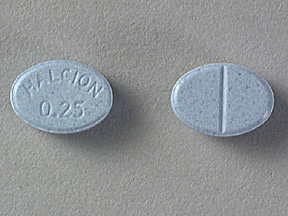
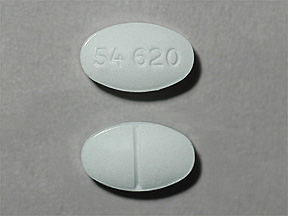
Triazolam(marketed in English-speaking countries under the brand names Apo-Triazo, Halcion, Hypam, and Trilam. Other names include 2'-chloroxanax, Chloroxanax, 2'-chloro-alprazolam, Triclazolam, and Chlorotriazolam) is a benzodiazepine drug. It possesses pharmacological properties similar to that of other benzodiazepines, but it is generally only used as a sedative to treat severe insomnia.In addition to the hypnotic properties triazolam possesses, amnesic, anxiolytic, sedative, anticonvulsant and muscle relaxant properties are also present.Due to its short half-life, triazolam is not effective for patients that suffer from frequent awakenings or early wakening.
Its use at low doses has been deemed acceptable by the American Food and Drug Administration (FDA) and several other countries.
Triazolam is usually used for short-term treatment of acute insomnia including jet lag. It is an ideal benzodiazepine for this use because its fast onset of action and short half-life. It puts one to sleep for not more than 1.5 hours (approximately 1–2 hours), allowing its user to avoid morning drowsiness. Triazolam is also sometimes used as an adjuvant in medical procedures requiring anesthesia or to reduce anxiety during brief events like MRI scans. Triazolam is ineffective in maintaining sleep however, due to its short half-life with quazepam showing superiority.
Triazolam is frequently prescribed as a sleep aid for passengers travelling on short to medium duration flights. If this use is contemplated, it is especially important to avoid the consumption of alcoholic beverages, and to do a ground based "trial" of the medication to ensure that the side effects and potency of this medication are understood by the user prior to using it in a relatively more public environment (as disinhibition can be a common side effect, with potentially severe consequences)Triazolam, similar to other benzodiazepines and nonbenzodiazepines, causes impairments in body balance and standing steadiness in individuals who wake up at night or the next morning. Falls and hip fractures are frequently reported. The combination with alcohol increases these impairments. Partial, but incomplete tolerance develops to these impairments.There can be daytime withdrawal effects.
An extensive review of the medical literature regarding the management of insomnia and the elderly found that there is considerable evidence of the effectiveness and durability of non-drug treatments for insomnia in adults of all ages and that these interventions are underutilized. Compared with the benzodiazepines including triazolam, the nonbenzodiazepine sedative-hypnotics appeared to offer few, if any, significant clinical advantages in efficacy or tolerability in elderly persons. It was found that newer agents with novel mechanisms of action and improved safety profiles, such as the melatonin agonists, hold promise for the management of chronic insomnia in elderly people. Long-term use of sedative-hypnotics for insomnia lacks an evidence base and has traditionally been discouraged for reasons that include concerns about such potential adverse drug effects as cognitive impairment, anterograde amnesia, daytime sedation, motor incoordination, and increased risk of motor vehicle accidents and falls.One study found no evidence of sustained hypnotic efficacy throughout the 9 weeks of treatment for triazolam.
Pre-existing depression may emerge or worsen during use of benzodiazepines including lorazepam. Ativan (lorazepam) is not recommended for use in patients with a primary depressive disorder or psychosis.
Use of benzodiazepines, including lorazepam, both used alone and in combination with other CNS depressants, may lead to potentially fatal respiratory depression. (See PRECAUTIONS, Clinically Significant Drug Interactions)
Use of benzodiazepines, including lorazepam, may lead to physical and psychological dependence.
As with all patients on CNS-depressant drugs, patients receiving lorazepam should be warned not to operate dangerous machinery or motor vehicles and that their tolerance for alcohol and other CNS depressants will be diminished.
Physical And Psychological Dependence
The use of benzodiazepines, including lorazepam, may lead to physical and psychological dependence. The risk of dependence increases with higher doses and longer term use and is further increased in patients with a history of alcoholism or drug abuse or in patients with significant personality disorders. The dependence potential is reduced when lorazepam is used at the appropriate dose for short-term treatment. Addiction-prone individuals (such as drug addicts or alcoholics) should be under careful surveillance when receiving lorazepam or other psychotropic agents.
In general, benzodiazepines should be prescribed for short periods only (e.g. 2- 4 weeks). Extension of the treatment period should not take place without reevaluation of the need for continued therapy. Continuous long-term use of product is not recommended. Withdrawal symptoms (e.g. rebound insomnia) can appear following cessation of recommended doses after as little as one week of therapy. Abrupt discontinuation of product should be avoided and a gradual dosage-tapering schedule followed after extended therapy.
This medication is used to treat sleep problems (insomnia). It may help you fall asleep faster, stay asleep longer, and lessen how often you wake up during the night, so you can get a better night's rest. Triazolam belongs to a class of drugs called sedative-hypnotics. It acts on your brain to produce a calming effect.
Use of this medication is usually limited to short treatment periods of 1 to 2 weeks or less. If your insomnia continues for a longer time, talk to your doctor to see if you need other treatment.
How to use triazolam
Read the Medication Guide provided by your pharmacist before you start using triazolam and each time you get a refill. If you have any questions, ask your doctor or pharmacist.
Take this medication by mouth with or without food as directed by your doctor, usually just before you get into bed. The dosage is based on your medical condition, age, and response to treatment.
Although unlikely, this drug can infrequently cause temporary short-term memory loss. To lessen the chance of this, do not take a dose of this drug unless you have time for a full night's sleep of at least 7 to 8 hours. If you have to wake up before that, you may have some memory loss.
Avoid eating grapefruit or drinking grapefruit juice while using this medication unless your doctor or pharmacist says you may do so safely. Grapefruit can increase the chance of side effects with this medicine. Ask your doctor or pharmacist for more details.
This medication may cause withdrawal reactions, especially if it has been used regularly for a long time or in high doses. In such cases, withdrawal symptoms (such as nausea, vomiting, flushing, stomach cramps, nervousness, shakiness) may occur if you suddenly stop using this medication. To prevent withdrawal reactions, your doctor may reduce your dose gradually. Consult your doctor or pharmacist for more details, and report any withdrawal reactions immediately.
When this medication is used for a long time, it may not work as well. Talk with your doctor if this medication stops working well.
Along with its benefits, this medication may rarely cause abnormal drug-seeking behavior (addiction). This risk may be increased if you have abused alcohol or drugs in the past. Take this medication exactly as prescribed to lessen the risk of addiction.
Tell your doctor if your condition persists after 7 to 10 days, or if it worsens.
You may have trouble sleeping the first few nights after you stop taking this medication. This is called rebound insomnia and is normal. It will usually go away after 1 or 2 nights. If this effect continues, contact your doctor.
Dizziness or difficulty with coordination may occur. If either of these effects persists or worsens, tell your doctor or pharmacist promptly. To reduce the risk of dizziness or falling, get up slowly when rising from a sitting or lying position.
This medication may make you sleepy during the day. Tell your doctor if you have daytime drowsiness. Your dose may need to be adjusted.
Remember that your doctor has prescribed this medication because he or she has judged that the benefit to you is greater than the risk of side effects. Many people using this medication do not have serious side effects.
Tell your doctor right away if you have any serious side effects, including: memory loss, mental/mood/behavior changes (such as new/worsening depression, abnormal thoughts, thoughts of suicide, hallucinations, confusion, agitation, aggressive behavior, anxiety).
Rarely, after taking this drug, people have gotten out of bed and driven vehicles while not fully awake ("sleep-driving"). People have also sleepwalked, prepared/eaten food, made phone calls, or had sex while not fully awake. Often, these people do not remember these events. This problem can be dangerous to you or to others. If you find out that you have done any of these activities after taking this medication, tell your doctor right away. Your risk is increased if you use alcohol or other medications that can make you drowsy while taking triazolam.
A very serious allergic reaction to this drug is rare. However, get medical help right away if you notice any symptoms of a serious allergic reaction, including: rash, itching/swelling (especially of the face/tongue/throat), severe dizziness, trouble breathing.
This is not a complete list of possible side effects. If you notice other effects not listed above, contact your doctor or pharmacist.
In the US -
Call your doctor for medical advice about side effects. You may report side effects to FDA.
In Canada - Call your doctor for medical advice about side effects. You may report side effects to Health Canada.
Before taking triazolam, tell your doctor or pharmacist if you are allergic to it; or if you have any other allergies. This product may contain inactive ingredients, which can cause allergic reactions or other problems. Talk to your pharmacist for more details.
Before using this medication, tell your doctor or pharmacist your medical history, especially of: kidney disease, liver disease, lung/breathing problems (such as chronic obstructive pulmonary disease-COPD, sleep apnea), mental/mood problems (such as depression, thoughts of suicide), personal or family history of regular use/abuse of drugs/alcohol/other substances, personal or family history of sleepwalking, a certain muscle disease (myasthenia gravis).
Since this drug makes you drowsy, do not drive, use machinery, or do any activity that requires alertness until you are sure you can perform such activities safely. Avoid alcoholic beverages.
Before having surgery, tell your doctor or dentist about all the products you use (including prescription drugs, nonprescription drugs, and herbal products).
Older adults may be more sensitive to the side effects of this drug, especially dizziness, confusion, unsteadiness, and excessive drowsiness. These side effects can increase the risk of falling.
Triazolam must not be used during pregnancy. It may harm an unborn baby. If you are a woman of childbearing age, use a reliable form of birth control while taking this drug. If you are planning pregnancy, do not take this medication. If you become pregnant or think you may be pregnant, tell your doctor immediately.
This medication may pass into breast milk and have undesirable effects on a nursing infant. Consult your doctor before breast-feeding.
Drug interactions may change how your medications work or increase your risk for serious side effects. This document does not contain all possible drug interactions. Keep a list of all the products you use (including prescription/nonprescription drugs and herbal products) and share it with your doctor and pharmacist. Do not start, stop, or change the dosage of any medicines without your doctor's approval.
A product that may interact with this drug is: sodium oxybate.
Other medications can affect the removal of triazolam from your body, which may affect how triazolam works. Examples include boceprevir, mifepristone, telaprevir, St John's wort, certain antidepressants (such as nefazodone, SSRIs such as fluoxetine/paroxetine), azole antifungals (such as itraconazole, ketoconazole), macrolide antibiotics (such as erythromycin, clarithromycin), HIV protease inhibitors (such as lopinavir, ritonavir), HIV NNRTIs (such as delavirdine), rifamycins (such as rifampin, rifabutin), among others.
The risk of serious side effects (such as slow/shallow breathing, severe drowsiness/dizziness) may be increased if this medication is used with other products that may also affect breathing or cause drowsiness. Therefore, tell your doctor or pharmacist if you are taking other products such as alcohol, other medicine for sleep or anxiety (such as alprazolam, diazepam, lorazepam), muscle relaxants, and narcotic pain relievers (such as codeine).
Check the labels on all your medicines (such as allergy or cough-and-cold products) because they may contain ingredients that cause drowsiness. Ask your pharmacist about using those products safely.
If overdose is suspected, contact a poison control center or emergency room immediately. US residents can call their local poison control center at 1-800-222-1222. Canada residents can call a provincial poison control center. Symptoms of overdose may include slowed breathing or a deep sleep from which you cannot be awakened.
Notes
Do not share this medication with others. It is against the law.
As you get older, your sleep pattern may naturally change and your sleep may be interrupted several times during the night. Consult your doctor or pharmacist for ways to improve your sleep without medication, such as avoiding caffeine and alcohol close to bedtime, avoiding daytime naps, and going to bed at the same time each night.
Missed Dose
If you miss a dose, do not take it unless you have time to sleep for 7 to 8 hours afterward. (See also How to Use section.)
Storage
Store at room temperature away from light and moisture. Do not store in the bathroom. Keep all medications away from children and pets.
Do not flush medications down the toilet or pour them into a drain unless instructed to do so. Properly discard this product when it is expired or no longer needed. Consult your pharmacist or local waste disposal company.
Information last revised June 2014. Copyright(c) 2014 First Databank, Inc.


