







 Home

- Allergies
- Acid Reflux
- ADHD
- Anxiety Disorders
- Arthritis
- Asthma
- Back Pain
- Bipolar Disorder
- Cancer
- Cholesterol
- Cold, Flu, & Cough
- COPD
- Depression
- Diabetes
- Eye Health
- Fibromyalgia
- Heart Disease
- Heartburn/GERD
- Hypertension
- Incontinence/OAB
- Migraines
- Osteoporosis
- Rheumatoid Arthritis
- Sexual Conditions
- Sleep Disorders
- Celebrity Secrets
- Skin Problems
- Multiple Sclerosis
- X-Rays
- Yellow Fever
- Yoga
- Women's Health
- Vitamins
- Weight Loss
- Wisdom Teeth
- Ultrasounds
- Transplant
- Skin Cancer
- Pain Management
- Palliative Care
- Pneumonia
- Obesity
- Mental Health
- Liver Cancer
- Lung Disease
- Labor and Delivery
- Knee Replacement Surgery
- Kidney Stones
- Jaundice
- Integrative Medicine
- Infections
- Interventional Pulmonology
- Headaches
- High blood preasure
- HIV/AIDS
- Fever
- Gestational Diabetes
- Gas
- Food Poisoning
- Oral Care
- Dengue Fever
- Ear Infections
- Diarrhea
- Dry Skin
- Cholera
- Children's Health
- Chickenpox
- Brain Diseases
- Lower Back pain
- Bone Tumors
- Anemia
- Avoidant Personality Disorder
- Aging
- Alcohol Interaction With Medication
- Burns
- Cataracts
- Chlamydia

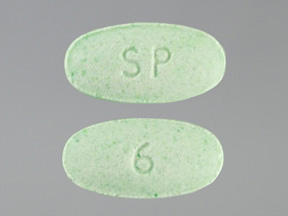
Silenor belongs to a group of drugs called hypnotics.
Silenor is used to treat insomnia in people who have trouble staying asleep.
This medication guide provides information about the Silenor brand of doxepin. Sinequan and other generic brands of doxepin used to treat depression or anxiety are not covered in this medication guide.
Silenor is a new low-dose formulation of the tricyclic antidepressant doxepin (which is typically taken as a 25- to 150-mg dose at bedtime). Low-dose doxepin is labeled for the treatment of insomnia characterized by difficulty maintaining sleep. The exact mechanism by which the medication exerts its sleep maintenance effect is unknown, but is thought to be antagonism of histamine H1 receptors.1
Silenor (doxepin) binds with high affinity to the histamine H1 receptor where it functions as an antagonist. The exact mechanism by which doxepin exerts its sleep maintenance effect is unknown but is believed due to its antagonism of the H1 receptor.
Silenor is specifically indicated for the treatment of insomnia characterized by difficulty with sleep maintenance.
Silenor is supplied as an immediate release tablet for oral administration. The recommended dose of Silenor for adults is 6 mg once daily. The recommended starting dose of Silenor in elderly patients (65 years old) is 3 mg once daily. The daily dose can be increased to 6 mg, if clinically indicated. Silenor should be taken within 30 minutes of bedtime.The total Silenor dose should not exceed 6 mg per day.
Silenor (doxepin) is available in 3 mg and 6 mg strength tablets for oral administration. Each tablet contains 3.39 mg or 6.78 mg doxepin hydrochloride, equivalent to 3 mg and 6mg of doxepin, respectively.
Be sure that you are able to devote 7 to 8 hours to sleep before being active again. SILENOR should be taken within 30 minutes of bedtime. Do not take with alcohol or with other medicines that can make you sleepy. If you are on a monoamine oxidase inhibitor (MAOI) or have taken a MAOI within the past two weeks, you should not take SILENOR. You should not take SILENOR if you have an eye problem called narrow angle glaucoma that is not being treated, if you have severe urinary retention, or if you are allergic to any of the ingredients in SILENOR. You should not drive or operate machinery at night after taking SILENOR. Until you know how you will react to SILENOR, you should be careful in performing such activities during the day following taking SILENOR. Before you take SILENOR, tell your doctor if you have a history of depression, mental illness or suicidal thoughts. You should call your doctor right away if after taking SILENOR you walk, drive, eat or engage in other activities while asleep. Drowsiness is the most common adverse event observed in clinical trials. For more information, please see the complete Prescribing Information, including the Medication Guide.
Pre-existing depression may emerge or worsen during use of benzodiazepines including lorazepam. Ativan (lorazepam) is not recommended for use in patients with a primary depressive disorder or psychosis.
Use of benzodiazepines, including lorazepam, both used alone and in combination with other CNS depressants, may lead to potentially fatal respiratory depression. (See PRECAUTIONS, Clinically Significant Drug Interactions)
Use of benzodiazepines, including lorazepam, may lead to physical and psychological dependence.
As with all patients on CNS-depressant drugs, patients receiving lorazepam should be warned not to operate dangerous machinery or motor vehicles and that their tolerance for alcohol and other CNS depressants will be diminished.
Physical And Psychological Dependence
The use of benzodiazepines, including lorazepam, may lead to physical and psychological dependence. The risk of dependence increases with higher doses and longer term use and is further increased in patients with a history of alcoholism or drug abuse or in patients with significant personality disorders. The dependence potential is reduced when lorazepam is used at the appropriate dose for short-term treatment. Addiction-prone individuals (such as drug addicts or alcoholics) should be under careful surveillance when receiving lorazepam or other psychotropic agents.
In general, benzodiazepines should be prescribed for short periods only (e.g. 2- 4 weeks). Extension of the treatment period should not take place without reevaluation of the need for continued therapy. Continuous long-term use of product is not recommended. Withdrawal symptoms (e.g. rebound insomnia) can appear following cessation of recommended doses after as little as one week of therapy. Abrupt discontinuation of product should be avoided and a gradual dosage-tapering schedule followed after extended therapy.
This medication is used to treat sleep problems (insomnia). It may help you stay asleep longer and reduce the number of times you awaken during the night. Doxepin belongs to a class of drugs known as tricyclic antidepressants. It is not known how this medication improves sleep, though it may be due to blocking histamine receptors.
How to use Silenor
Read the Medication Guide provided by your pharmacist before you start taking doxepin and each time you get a refill. If you have any questions, ask your doctor or pharmacist.
Take this medication by mouth, usually once nightly within 30 minutes before bedtime on an empty stomach, or as directed by your doctor. Do not take it within 3 hours of a meal because the effect of the medication will be delayed.
Do not take this medication unless you are able to get a full night of sleep (7-8 hours) before you must be active again.
Dosage is based on your medical condition, age, and response to therapy. Do not take more than 6 milligrams per day.
Use this medication regularly to get the most benefit from it. To help you remember, take it at the same time each day.
Tell your doctor if your condition persists or worsens after 7-10 days.
Drowsiness or nausea may occur. If either of these effects persist or worsen, tell your doctor or pharmacist promptly.
Remember that your doctor has prescribed this medication because he or she has judged that the benefit to you is greater than the risk of side effects. Many people using this medication do not have serious side effects.
Rarely, after taking this drug, people have gotten out of bed and driven vehicles while not fully awake ("sleep-driving"). People have also sleepwalked, prepared/eaten food, made phone calls, or had sex while not fully awake. Often, these people do not remember these events. This problem can be dangerous to you or to others. If you find out that you have done any of these activities after taking this medication, tell your doctor right away. Your risk is increased if you use alcohol or other medications that can make you drowsy while taking doxepin.
At higher doses, doxepin is used to treat a variety of other conditions, including depression and other mental/mood disorders. It can help prevent suicidal thoughts/attempts and provide other important benefits. However, studies have shown that a small number of people (especially people younger than 25) who take antidepressants for any condition may experience worsening depression, other mental/mood symptoms, or suicidal thoughts/attempts. Therefore, it is very important to talk with the doctor about the risks and benefits of antidepressant medication (especially for people younger than 25), even if treatment is not for a mental/mood condition. Tell the doctor right away if you notice worsening depression/other psychiatric conditions, unusual behavior changes (including possible suicidal thoughts/attempts), or other mental/mood changes (including new/worsening anxiety, panic attacks, irritability, hostile/angry feelings, impulsive actions, severe restlessness, very rapid speech). Be especially watchful for these symptoms if a new antidepressant is started or when the dose is changed.
A very serious allergic reaction to this drug is rare. However, get medical help right away if you notice any symptoms of a serious allergic reaction, including: rash, itching/swelling (especially of the face/tongue/throat), severe dizziness, trouble breathing.
This is not a complete list of possible side effects. If you notice other effects not listed above, contact your doctor or pharmacist.
In the US -
Call your doctor for medical advice about side effects. You may report side effects to FDA.
In Canada - Call your doctor for medical advice about side effects. You may report side effects to Health Canada.
Before taking doxepin, tell your doctor or pharmacist if you are allergic to it; or to other tricyclic antidepressants (such as amoxapine); or if you have any other allergies. This product may contain inactive ingredients, which can cause allergic reactions or other problems. Talk to your pharmacist for more details.
Before using this medication, tell your doctor or pharmacist your medical history, especially of: problems urinating (urinary retention), a certain eye problem (glaucoma).
This drug may make you drowsy. Do not drive, use machinery, or do any activity that requires alertness until you are sure you can perform such activities safely. Avoid alcoholic beverages.
Before having surgery, tell your doctor or dentist about all the products you use (including prescription drugs, nonprescription drugs, and herbal products).
During pregnancy, this medication should be used only when clearly needed. Discuss the risks and benefits with your doctor.
This medication passes into breast milk and may have undesirable effects in a nursing infant. Therefore, breast-feeding while using this drug is not recommended. Consult your doctor before breast-feeding.
Drug interactions may change how your medications work or increase your risk for serious side effects. This document does not contain all possible drug interactions. Keep a list of all the products you use (including prescription/nonprescription drugs and herbal products) and share it with your doctor and pharmacist. Do not start, stop, or change the dosage of any medicines without your doctor's approval.
Some products that may interact with this drug include: cimetidine.
Taking MAO inhibitors with this medication may cause a serious (possibly fatal) drug interaction. Avoid taking MAO inhibitors (isocarboxazid, linezolid, methylene blue, moclobemide, phenelzine, procarbazine, rasagiline, selegiline, tranylcypromine) during treatment with this medication. Most MAO inhibitors should also not be taken for two weeks before and after treatment with this medication. Ask your doctor when to start or stop taking this medication.
Tell your doctor or pharmacist if you also take drugs that cause drowsiness such as certain antihistamines (such as diphenhydramine), anti-seizure drugs (such as carbamazepine), medicine for sleep or anxiety (such as alprazolam, diazepam, zolpidem), muscle relaxants, narcotic pain relievers (such as codeine), psychiatric medicines (such as risperidone, amitriptyline, trazodone).
Check the labels on all your medicines (such as allergy, cough-and-cold products) because they may contain drowsiness-causing ingredients. Ask your pharmacist about the safe use of those products.
If overdose is suspected, contact a poison control center or emergency room immediately. US residents can call their local poison control center at 1-800-222-1222. Canada residents can call a provincial poison control center. Symptoms of overdose may include: extreme drowsiness, hallucinations, fast/irregular heartbeat, fainting, slow/shallow breathing, seizures.
Notes
Do not share this medication with others.
This medication has been prescribed for your current condition only. Do not use it later for other conditions unless directed by your doctor. A different medication may be necessary in those cases.
Usually, insomnia is temporary and requires sleep medications only for a short time. If you require treatment for more than 7-10 days, laboratory and/or medical tests should be performed to find the cause of your sleep problem.
As you get older, your sleep pattern may naturally change and your sleep may be interrupted several times during the night. Talk to your doctor or pharmacist for ways to improve your sleep without medication, such as avoiding caffeine and alcohol close to bedtime, avoiding daytime naps, and avoiding going to bed too early each night.
Missed Dose
If you miss a dose, take it as soon as you remember if it is still near bedtime and you have trouble falling asleep. If it is already the next day, resume your usual dosing schedule that night at bedtime. Do not double the dose to catch up.
Storage
Store at room temperature away from light and moisture. Do not store in the bathroom. Keep all medications away from children and pets.
Do not flush medications down the toilet or pour them into a drain unless instructed to do so. Properly discard this product when it is expired or no longer needed. Consult your pharmacist or local waste disposal company.
Information last revised September 2013. Copyright(c) 2013 First Databank, Inc.




