




 Home

- Allergies
- Acid Reflux
- ADHD
- Anxiety Disorders
- Arthritis
- Asthma
- Back Pain
- Bipolar Disorder
- Cancer
- Cholesterol
- Cold, Flu, & Cough
- COPD
- Depression
- Diabetes
- Eye Health
- Fibromyalgia
- Heart Disease
- Heartburn/GERD
- Hypertension
- Incontinence/OAB
- Migraines
- Osteoporosis
- Rheumatoid Arthritis
- Sexual Conditions
- Sleep Disorders
- Celebrity Secrets
- Skin Problems
- Multiple Sclerosis
- X-Rays
- Yellow Fever
- Yoga
- Women's Health
- Vitamins
- Weight Loss
- Wisdom Teeth
- Ultrasounds
- Transplant
- Skin Cancer
- Pain Management
- Palliative Care
- Pneumonia
- Obesity
- Mental Health
- Liver Cancer
- Lung Disease
- Labor and Delivery
- Knee Replacement Surgery
- Kidney Stones
- Jaundice
- Integrative Medicine
- Infections
- Interventional Pulmonology
- Headaches
- High blood preasure
- HIV/AIDS
- Fever
- Gestational Diabetes
- Gas
- Food Poisoning
- Oral Care
- Dengue Fever
- Ear Infections
- Diarrhea
- Dry Skin
- Cholera
- Children's Health
- Chickenpox
- Brain Diseases
- Lower Back pain
- Bone Tumors
- Anemia
- Avoidant Personality Disorder
- Aging
- Alcohol Interaction With Medication
- Burns
- Cataracts
- Chlamydia
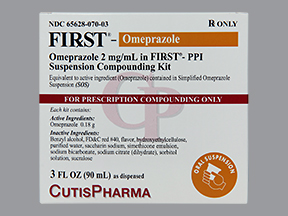
This is a summary and does NOT have all possible information about this product. This information does not assure that this product is safe, effective, or appropriate for you. This information is not individual medical advice and does not substitute for the advice of your health care professional. Always ask your health care professional for complete information about this product and your specific health needs.
Omeprazole is used to treat certain conditions where there is too much acid in the stomach. It is used to treat gastric and duodenal ulcers, erosive esophagitis, and gastroesophageal reflux disease (GERD). GERD is a condition where the acid in the stomach washes back up into the esophagus. Sometimes omeprazole is used in combination with antibiotics (e.g., amoxicillin, clarithromycin) to treat ulcers associated with infection caused by the H. pylori bacteria (germ).
Omeprazole is also used to treat Zollinger-Ellison syndrome, a condition where the stomach produces too much acid.
Omeprazole is also used to treat dyspepsia, a condition that causes sour stomach, belching, heart burn, or indigestion.
In addition, omeprazole is used to prevent upper gastrointestinal tract bleeding in seriously ill patients.
Omeprazole is a proton pump inhibitor (PPI). It works by decreasing the amount of acid produced by the stomach.
This medicine is available both over-the-counter (OTC) and with your doctor's prescription.
Studies indicate that people who take proton pump inhibitor medications (such as Nexium) may be at an increased risk for broken bones. The risk appears to be highest for people who take such medications at high doses or for long periods (over a year). You and your healthcare provider should take this into account when deciding if the benefits of this medication outweigh the risks for your particular situation.
The use of proton pump inhibitors (including this medication) may increase the risk of a potentially serious condition known as Clostridium difficile-associated diarrhea (CDAD). If you develop diarrhea that does not seem to improve (especially if it is watery and accompanied by a fever and abdominal pain), seek immediate medical attention.
The prominent consumer watchdog group Public Citizen has filed a petition with the FDA, indicating that a new black box warning for Nexium, Prilosec and other proton pump inhibitor drugs is necessary to warn consumers and the medical community about the risk of long-term dependence and other dangerous side effects.
According to the petition (PDF) filed with the FDA on Tuesday, Public Citizen indicates that the strongest possible warning label is necessary for the widely used acid reflux drugs, which were prescribed more than 119 million times in 2009 and generated sales in the United States of $13.6 billion.
An estimated one out of every 20 people in the developed world are currently taking a proton pump inhibitor (PPI) to reduce the production of stomach acid in an attempt to alleviate symptoms of gastroesophageal reflux disease (GERD), ulcers and other stomach ailments. In addition to Nexium and Prilosec, other drugs in the same class included Prevacid, Zegerid, Protonix, Dexilant, Aciphex, Vimovo and a number of generic equivalents.
The prominent consumer watchdog group Public Citizen has filed a petition with the FDA, indicating that a new black box warning for Nexium, Prilosec and other proton pump inhibitor drugs is necessary to warn consumers and the medical community about the risk of long-term dependence and other dangerous side effects.�
According to the petition (PDF) filed with the FDA on Tuesday, Public Citizen indicates that the strongest possible warning label is necessary for the widely used acid reflux drugs, which were prescribed more than 119 million times in 2009 and generated sales in the United States of $13.6 billion.
An estimated one out of every 20 people in the developed world are currently taking a proton pump inhibitor (PPI) to reduce the production of stomach acid in an attempt to alleviate symptoms of gastroesophageal reflux disease (GERD), ulcers and other stomach ailments. In addition to Nexium and Prilosec, other drugs in the same class included Prevacid, Zegerid, Protonix, Dexilant, Aciphex, Vimovo and a number of generic equivalents.
- See more at: http://www.aboutlawsuits.com/black-box-warnings-nexium-prilosec-ppi-20578/#sthash.tsY5GfDG.dpufThe prominent consumer watchdog group Public Citizen has filed a petition with the FDA, indicating that a new black box warning for Nexium, Prilosec and other proton pump inhibitor drugs is necessary to warn consumers and the medical community about the risk of long-term dependence and other dangerous side effects.�
According to the petition (PDF) filed with the FDA on Tuesday, Public Citizen indicates that the strongest possible warning label is necessary for the widely used acid reflux drugs, which were prescribed more than 119 million times in 2009 and generated sales in the United States of $13.6 billion.
An estimated one out of every 20 people in the developed world are currently taking a proton pump inhibitor (PPI) to reduce the production of stomach acid in an attempt to alleviate symptoms of gastroesophageal reflux disease (GERD), ulcers and other stomach ailments. In addition to Nexium and Prilosec, other drugs in the same class included Prevacid, Zegerid, Protonix, Dexilant, Aciphex, Vimovo and a number of generic equivalents.
- See more at: http://www.aboutlawsuits.com/black-box-warnings-nexium-prilosec-ppi-20578/#sthash.tsY5GfDG.dpufConsult your pharmacist.
How to use FIRST-Omeprazole
Consult your pharmacist.
Consult your pharmacist.
In the US -
Call your doctor for medical advice about side effects. You may report side effects to FDA.
In Canada - Call your doctor for medical advice about side effects. You may report side effects to Health Canada.
Consult your pharmacist.
Consult your pharmacist.
Keep a list of all your medications with you, and share the list with your doctor and pharmacist.
If overdose is suspected, contact a poison control center or emergency room immediately. US residents can call their local poison control center at 1-800-222-1222. Canada residents can call a provincial poison control center.
Notes
No monograph available at this time.
Missed Dose
Consult your pharmacist.
Storage
Consult your pharmacist.
Do not flush medications down the toilet or pour them into a drain unless instructed to do so. Properly discard this product when it is expired or no longer needed. Consult your pharmacist or local waste disposal company for more details about how to safely discard your product.
Information last revised March 2013. Copyright(c) 2013 First Databank, Inc.


