




 Home

- Allergies
- Acid Reflux
- ADHD
- Anxiety Disorders
- Arthritis
- Asthma
- Back Pain
- Bipolar Disorder
- Cancer
- Cholesterol
- Cold, Flu, & Cough
- COPD
- Depression
- Diabetes
- Eye Health
- Fibromyalgia
- Heart Disease
- Heartburn/GERD
- Hypertension
- Incontinence/OAB
- Migraines
- Osteoporosis
- Rheumatoid Arthritis
- Sexual Conditions
- Sleep Disorders
- Celebrity Secrets
- Skin Problems
- Multiple Sclerosis
- X-Rays
- Yellow Fever
- Yoga
- Women's Health
- Vitamins
- Weight Loss
- Wisdom Teeth
- Ultrasounds
- Transplant
- Skin Cancer
- Pain Management
- Palliative Care
- Pneumonia
- Obesity
- Mental Health
- Liver Cancer
- Lung Disease
- Labor and Delivery
- Knee Replacement Surgery
- Kidney Stones
- Jaundice
- Integrative Medicine
- Infections
- Interventional Pulmonology
- Headaches
- High blood preasure
- HIV/AIDS
- Fever
- Gestational Diabetes
- Gas
- Food Poisoning
- Oral Care
- Dengue Fever
- Ear Infections
- Diarrhea
- Dry Skin
- Cholera
- Children's Health
- Chickenpox
- Brain Diseases
- Lower Back pain
- Bone Tumors
- Anemia
- Avoidant Personality Disorder
- Aging
- Alcohol Interaction With Medication
- Burns
- Cataracts
- Chlamydia
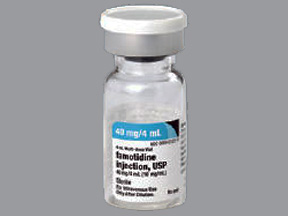
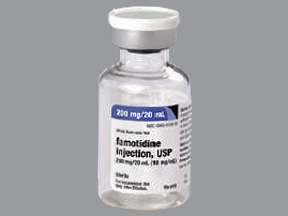
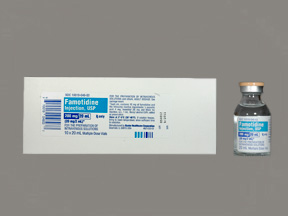
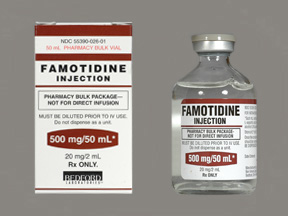
The active ingredient in PEPCID* (famotidine) Injection Premixed and PEPCID (famotidine) Injection is a histamine H2-receptor antagonist. Famotidine is N'-(aminosulfonyl)-3-[[[2-[(diaminomethylene)amino]-4- thiazolyl]methyl]thio]propanimidamide. The empirical formula of famotidine is C8H15N7O2S3 and its molecular weight is 337.43.
Famotidine is a white to pale yellow crystalline compound that is freely soluble in glacial acetic acid, slightly soluble in methanol, very slightly soluble in water, and practically insoluble in ethanol.
PEPCID Injection (famotidine injection) Premixed is supplied as a sterile solution, for intravenous use only, in plastic single dose containers. Each 50 mL of the premixed, iso-osmotic intravenous injection contains 20 mg famotidine, USP, and the following inactive ingredients: L-aspartic acid 6.8 mg, sodium chloride, USP, 450 mg, and Water for Injection. The pH ranges from 5.7 to 6.4 and may have been adjusted with additional L-aspartic acid or with sodium hydroxide.
The plastic container is fabricated from a specially designed multilayer plastic (PL 2501). Solutions are in contact with the polyethylene layer of the container and can leach out certain chemical components of the plastic in very small amounts within the expiration period. The suitability and safety of the plastic have been confirmed in tests in animals according to the USP biological tests for plastic containers, as well as by tissue culture toxicity studies.
PEPCID (famotidine) Injection is supplied as a sterile concentrated solution for intravenous injection. Each mL of the solution contains 10 mg of famotidine and the following inactive ingredients: L-aspartic acid 4 mg, mannitol 20 mg, and Water for Injection q.s. 1 mL. The multidose injection also contains benzyl alcohol 0.9% added as preservative.
Studies indicate that people who take proton pump inhibitor medications (such as Nexium) may be at an increased risk for broken bones. The risk appears to be highest for people who take such medications at high doses or for long periods (over a year). You and your healthcare provider should take this into account when deciding if the benefits of this medication outweigh the risks for your particular situation.
The use of proton pump inhibitors (including this medication) may increase the risk of a potentially serious condition known as Clostridium difficile-associated diarrhea (CDAD). If you develop diarrhea that does not seem to improve (especially if it is watery and accompanied by a fever and abdominal pain), seek immediate medical attention.
The prominent consumer watchdog group Public Citizen has filed a petition with the FDA, indicating that a new black box warning for Nexium, Prilosec and other proton pump inhibitor drugs is necessary to warn consumers and the medical community about the risk of long-term dependence and other dangerous side effects.
According to the petition (PDF) filed with the FDA on Tuesday, Public Citizen indicates that the strongest possible warning label is necessary for the widely used acid reflux drugs, which were prescribed more than 119 million times in 2009 and generated sales in the United States of $13.6 billion.
An estimated one out of every 20 people in the developed world are currently taking a proton pump inhibitor (PPI) to reduce the production of stomach acid in an attempt to alleviate symptoms of gastroesophageal reflux disease (GERD), ulcers and other stomach ailments. In addition to Nexium and Prilosec, other drugs in the same class included Prevacid, Zegerid, Protonix, Dexilant, Aciphex, Vimovo and a number of generic equivalents.
The prominent consumer watchdog group Public Citizen has filed a petition with the FDA, indicating that a new black box warning for Nexium, Prilosec and other proton pump inhibitor drugs is necessary to warn consumers and the medical community about the risk of long-term dependence and other dangerous side effects.�
According to the petition (PDF) filed with the FDA on Tuesday, Public Citizen indicates that the strongest possible warning label is necessary for the widely used acid reflux drugs, which were prescribed more than 119 million times in 2009 and generated sales in the United States of $13.6 billion.
An estimated one out of every 20 people in the developed world are currently taking a proton pump inhibitor (PPI) to reduce the production of stomach acid in an attempt to alleviate symptoms of gastroesophageal reflux disease (GERD), ulcers and other stomach ailments. In addition to Nexium and Prilosec, other drugs in the same class included Prevacid, Zegerid, Protonix, Dexilant, Aciphex, Vimovo and a number of generic equivalents.
- See more at: http://www.aboutlawsuits.com/black-box-warnings-nexium-prilosec-ppi-20578/#sthash.tsY5GfDG.dpufThe prominent consumer watchdog group Public Citizen has filed a petition with the FDA, indicating that a new black box warning for Nexium, Prilosec and other proton pump inhibitor drugs is necessary to warn consumers and the medical community about the risk of long-term dependence and other dangerous side effects.�
According to the petition (PDF) filed with the FDA on Tuesday, Public Citizen indicates that the strongest possible warning label is necessary for the widely used acid reflux drugs, which were prescribed more than 119 million times in 2009 and generated sales in the United States of $13.6 billion.
An estimated one out of every 20 people in the developed world are currently taking a proton pump inhibitor (PPI) to reduce the production of stomach acid in an attempt to alleviate symptoms of gastroesophageal reflux disease (GERD), ulcers and other stomach ailments. In addition to Nexium and Prilosec, other drugs in the same class included Prevacid, Zegerid, Protonix, Dexilant, Aciphex, Vimovo and a number of generic equivalents.
- See more at: http://www.aboutlawsuits.com/black-box-warnings-nexium-prilosec-ppi-20578/#sthash.tsY5GfDG.dpufFamotidine is used to treat ulcers of the stomach or intestines. It may be used to prevent intestinal ulcers from returning after treatment. This medication is also used to treat certain stomach and throat problems caused by too much acid (e.g., Zollinger-Ellison syndrome, erosive esophagitis) or a backward flow of stomach acid into the esophagus (gastroesophageal reflux disease-GERD).
This form of famotidine is given by vein and is used to treat these conditions for a short time when you cannot take the medication by mouth. Your doctor should switch you to taking this medication by mouth when possible.
Famotidine is known as an H2 histamine blocker. It works by reducing the amount of acid in your stomach. This helps heal and prevent ulcers and improves symptoms such as heartburn and stomach pain.
How to use famotidine intravenous
This medication is injected into a vein as directed by your doctor. The dosage and length of treatment are based on your medical condition and response to treatment. In children, dosage may also be based on body weight.
If you are giving this medication to yourself at home, learn all preparation and usage instructions from your health care professional. Before injecting each dose, clean the injection site with rubbing alcohol. Before using, check this product visually for particles or discoloration. If either is present, do not use the liquid. Learn how to store and discard medical supplies safely.
Tell your doctor if your condition persists or worsens.
Headache, constipation, diarrhea, dizziness, and pain/redness at the injection site may occur. If any of these effects persist or worsen, tell your doctor or pharmacist promptly.
Remember that your doctor has prescribed this medication because he or she has judged that the benefit to you is greater than the risk of side effects. Many people using this medication do not have serious side effects.
Tell your doctor right away if you have any serious side effects, including: easy bruising/bleeding, fast/slow/irregular heartbeat, signs of infection (e.g., fever, persistent sore throat, cough), mental/mood changes (e.g., restlessness, confusion, depression), hearing/seeing things that are not there (hallucinations), seizure.
A very serious allergic reaction to this drug is unlikely, but get medical help right away if it occurs. Symptoms of a serious allergic reaction may include: rash, itching/swelling (especially of the face/tongue/throat), severe dizziness, trouble breathing.
This is not a complete list of possible side effects. If you notice other effects not listed above, contact your doctor or pharmacist.
In the US -
Call your doctor for medical advice about side effects. You may report side effects to FDA.
In Canada - Call your doctor for medical advice about side effects. You may report side effects to Health Canada.
Before using famotidine, tell your doctor or pharmacist if you are allergic to it; or to other acid reducers (e.g., cimetidine, ranitidine); or if you have any other allergies. This product may contain inactive ingredients, which can cause allergic reactions or other problems. Talk to your pharmacist for more details.
Before using this medication, tell your doctor or pharmacist your medical history, especially of: immune system problems, kidney problems, liver problems, lung problems (e.g., asthma, chronic obstructive pulmonary disease-COPD), other stomach problems (e.g., tumors).
Some symptoms may actually be signs of a more serious condition. Get medical help right away if you have: heartburn with lightheadedness/sweating/dizziness, chest/jaw/arm/shoulder pain (especially with shortness of breath, unusual sweating), unexplained weight loss.
This drug may make you dizzy. Do not drive, use machinery, or do any activity that requires alertness until you are sure you can perform such activities safely. Limit alcoholic beverages.
Older adults may be more sensitive to the side effects of this drug, especially confusion.
Famotidine should be used only when clearly needed during pregnancy. Discuss the risks and benefits with your doctor.
This drug passes into breast milk. Consult your doctor before breast-feeding.
Drug interactions may change how your medications work or increase your risk for serious side effects. This document does not contain all possible drug interactions. Keep a list of all the products you use (including prescription/nonprescription drugs and herbal products) and share it with your doctor and pharmacist. Do not start, stop, or change the dosage of any medicines without your doctor's approval.
Since famotidine reduces the amount of acid in your stomach, it may also change the absorption of certain medications and affect how they work. Some examples of affected drugs include atazanavir, dasatinib, delavirdine, certain azole antifungals (such as itraconazole, ketoconazole), pazopanib, among others. Ask your doctor or pharmacist if any of the medications you take are affected by famotidine and how to manage this interaction.
Check the labels on all your medicines because they may contain aspirin or aspirin-like NSAIDs (e.g., ibuprofen, naproxen) that can cause stomach irritation/ulcers. Ask your doctor or pharmacist about the safe use of these products. Low-dose aspirin, as prescribed by your doctor for specific medical reasons such as heart attack or stroke prevention (usually at dosages of 81-325 milligrams per day), should be continued. Consult your doctor for more details.
This medication and other H2 blockers (e.g., cimetidine, ranitidine, nizatidine) are available both over-the-counter and by prescription. Do not take them at the same time.
If overdose is suspected, contact a poison control center or emergency room immediately. US residents can call their local poison control center at 1-800-222-1222. Canada residents can call a provincial poison control center.
Notes
Do not share this medication with others.
Lifestyle changes such as stress reduction programs, stopping smoking, limiting alcohol, and diet changes (e.g., avoiding caffeine, certain spices) may increase the effectiveness of this medication. Talk to your doctor or pharmacist about lifestyle changes that might benefit you.
Laboratory and/or medical tests (e.g., endoscopy, kidney function tests) may be performed to monitor your progress or check for side effects. Consult your doctor for more details.
Missed Dose
For the best possible benefit, it is important to receive each scheduled dose of this medication as directed. If you miss a dose, contact your doctor or pharmacist immediately to establish a new dosing schedule. Do not double the dose to catch up.
Storage
Consult the product instructions and your pharmacist for storage details. Keep all medications away from children and pets.
Do not flush medications down the toilet or pour them into a drain unless instructed to do so. Properly discard this product when it is expired or no longer needed. Consult your pharmacist or local waste disposal company.
Information last revised July 2014. Copyright(c) 2014 First Databank, Inc.


