




 Home

- Allergies
- Acid Reflux
- ADHD
- Anxiety Disorders
- Arthritis
- Asthma
- Back Pain
- Bipolar Disorder
- Cancer
- Cholesterol
- Cold, Flu, & Cough
- COPD
- Depression
- Diabetes
- Eye Health
- Fibromyalgia
- Heart Disease
- Heartburn/GERD
- Hypertension
- Incontinence/OAB
- Migraines
- Osteoporosis
- Rheumatoid Arthritis
- Sexual Conditions
- Sleep Disorders
- Celebrity Secrets
- Skin Problems
- Multiple Sclerosis
- X-Rays
- Yellow Fever
- Yoga
- Women's Health
- Vitamins
- Weight Loss
- Wisdom Teeth
- Ultrasounds
- Transplant
- Skin Cancer
- Pain Management
- Palliative Care
- Pneumonia
- Obesity
- Mental Health
- Liver Cancer
- Lung Disease
- Labor and Delivery
- Knee Replacement Surgery
- Kidney Stones
- Jaundice
- Integrative Medicine
- Infections
- Interventional Pulmonology
- Headaches
- High blood preasure
- HIV/AIDS
- Fever
- Gestational Diabetes
- Gas
- Food Poisoning
- Oral Care
- Dengue Fever
- Ear Infections
- Diarrhea
- Dry Skin
- Cholera
- Children's Health
- Chickenpox
- Brain Diseases
- Lower Back pain
- Bone Tumors
- Anemia
- Avoidant Personality Disorder
- Aging
- Alcohol Interaction With Medication
- Burns
- Cataracts
- Chlamydia
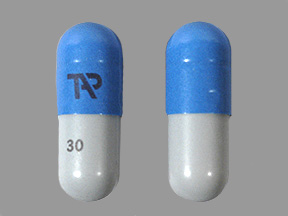
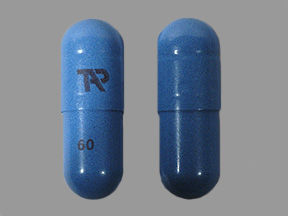
Dexlansoprazole (INN, trade names Kapidex, Dexilant) is a proton pump inhibitor that is marketed by Takeda Pharmaceuticals. Chemically, it is an enantiomer of lansoprazole. The compound was launched in the US for use in the treatment and maintenance of patients with erosive oesophagitis and non-erosive gastro-oesophageal reflux disease (GERD or GORD).Dexlansoprazole was approved by the U.S. Food and Drug Administration (FDA) on January 30, 2009.
After racemic lansoprazole is applied orally, 80% of the circulating drug is dexlansoprazole. Moreover, both enantiomers have a similar effect on the proton pump.Consequently, the main advantage of Kapidex is not the enantiopure substance, but the pharmaceutical formulation.
Kapidex is based on a dual release technology, with the first quick release producing a plasma peak concentration about one hour after application, and the second retarded release producing another peak about four hours later. As of November 2009, clinical relevance of this form of release has yet to be shown.
Since Kapidex was approved in January 2009, there have been reports of dispensing errors because of confusion with the drugs Casodex (bicalutamide) and Kadian (morphine sulfate), which have very different uses from Kapidex and from each other. On March 4, 2010, the FDA has approved a name change for Kapidex to avoid confusion with the two other medications. Effective in late April 2010, Takeda Pharmaceuticals North America began marketing Kapidex under the new name Dexilant.
Studies indicate that people who take proton pump inhibitor medications (such as Nexium) may be at an increased risk for broken bones. The risk appears to be highest for people who take such medications at high doses or for long periods (over a year). You and your healthcare provider should take this into account when deciding if the benefits of this medication outweigh the risks for your particular situation.
The use of proton pump inhibitors (including this medication) may increase the risk of a potentially serious condition known as Clostridium difficile-associated diarrhea (CDAD). If you develop diarrhea that does not seem to improve (especially if it is watery and accompanied by a fever and abdominal pain), seek immediate medical attention.
The prominent consumer watchdog group Public Citizen has filed a petition with the FDA, indicating that a new black box warning for Nexium, Prilosec and other proton pump inhibitor drugs is necessary to warn consumers and the medical community about the risk of long-term dependence and other dangerous side effects.
According to the petition (PDF) filed with the FDA on Tuesday, Public Citizen indicates that the strongest possible warning label is necessary for the widely used acid reflux drugs, which were prescribed more than 119 million times in 2009 and generated sales in the United States of $13.6 billion.
An estimated one out of every 20 people in the developed world are currently taking a proton pump inhibitor (PPI) to reduce the production of stomach acid in an attempt to alleviate symptoms of gastroesophageal reflux disease (GERD), ulcers and other stomach ailments. In addition to Nexium and Prilosec, other drugs in the same class included Prevacid, Zegerid, Protonix, Dexilant, Aciphex, Vimovo and a number of generic equivalents.
The prominent consumer watchdog group Public Citizen has filed a petition with the FDA, indicating that a new black box warning for Nexium, Prilosec and other proton pump inhibitor drugs is necessary to warn consumers and the medical community about the risk of long-term dependence and other dangerous side effects.�
According to the petition (PDF) filed with the FDA on Tuesday, Public Citizen indicates that the strongest possible warning label is necessary for the widely used acid reflux drugs, which were prescribed more than 119 million times in 2009 and generated sales in the United States of $13.6 billion.
An estimated one out of every 20 people in the developed world are currently taking a proton pump inhibitor (PPI) to reduce the production of stomach acid in an attempt to alleviate symptoms of gastroesophageal reflux disease (GERD), ulcers and other stomach ailments. In addition to Nexium and Prilosec, other drugs in the same class included Prevacid, Zegerid, Protonix, Dexilant, Aciphex, Vimovo and a number of generic equivalents.
- See more at: http://www.aboutlawsuits.com/black-box-warnings-nexium-prilosec-ppi-20578/#sthash.tsY5GfDG.dpufThe prominent consumer watchdog group Public Citizen has filed a petition with the FDA, indicating that a new black box warning for Nexium, Prilosec and other proton pump inhibitor drugs is necessary to warn consumers and the medical community about the risk of long-term dependence and other dangerous side effects.�
According to the petition (PDF) filed with the FDA on Tuesday, Public Citizen indicates that the strongest possible warning label is necessary for the widely used acid reflux drugs, which were prescribed more than 119 million times in 2009 and generated sales in the United States of $13.6 billion.
An estimated one out of every 20 people in the developed world are currently taking a proton pump inhibitor (PPI) to reduce the production of stomach acid in an attempt to alleviate symptoms of gastroesophageal reflux disease (GERD), ulcers and other stomach ailments. In addition to Nexium and Prilosec, other drugs in the same class included Prevacid, Zegerid, Protonix, Dexilant, Aciphex, Vimovo and a number of generic equivalents.
- See more at: http://www.aboutlawsuits.com/black-box-warnings-nexium-prilosec-ppi-20578/#sthash.tsY5GfDG.dpufDexlansoprazole is used to treat certain stomach and esophagus problems (such as acid reflux). It works by decreasing the amount of acid your stomach makes. It relieves symptoms such as heartburn, difficulty swallowing, and persistent cough. This medication helps heal acid damage to the stomach and esophagus, helps prevent ulcers, and may help prevent cancer of the esophagus. Dexlansoprazole belongs to a class of drugs known as proton pump inhibitors (PPIs).
OTHER USES: This section contains uses of this drug that are not listed in the approved professional labeling for the drug but that may be prescribed by your health care professional. Use this drug for a condition that is listed in this section only if it has been so prescribed by your health care professional.
Dexlansoprazole may also be used to treat stomach ulcers.
How to use dexlansoprazole
Read the Medication Guide and the Patient Information Leaflet if available from your pharmacist before you start taking dexlansoprazole and each time you get a refill. If you have any questions, ask your doctor or pharmacist.
Take this medication by mouth as directed by your doctor, usually once daily with or without food. If your symptoms usually occur after a meal, your doctor may direct you to take your dose every day before the same meal for best results. Dosage and length of treatment are based on your medical condition and response to treatment.
Do not crush or chew the capsules. Swallow this medication whole. If you have trouble swallowing this medication whole, you may open the capsule and sprinkle the contents onto 1 tablespoon (15 milliliters) of applesauce. Swallow all of the drug/food mixture right away without chewing it. Do not prepare the mixture ahead of time for later use. Doing so may destroy the drug.
If you are giving this drug with a liquid medication measuring device/syringe, or through a tube into the stomach (nasogastric or gastric tube), ask your health care professional for detailed instructions on how to properly mix and give it.
If needed, antacids may be taken along with this medication. If you are also taking sucralfate, take dexlansoprazole at least 30 minutes before sucralfate.
Use this medication regularly to get the most benefit from it. To help you remember, take it at the same time each day. Continue to take this medication for the prescribed length of treatment even if you are feeling better.
Tell your doctor if your condition persists or worsens.
Diarrhea may occur. If this effect persists or worsens, tell your doctor or pharmacist promptly.
Remember that your doctor has prescribed this medication because he or she has judged that the benefit to you is greater than the risk of side effects. Many people using this medication do not have serious side effects.
Tell your doctor right away if you have any serious side effects, including: symptoms of a low magnesium blood level (such as unusually fast/slow/irregular heartbeat, persistent muscle spasms, seizures).
This medication may rarely cause a severe intestinal condition (Clostridium difficile-associated diarrhea) due to a type of bacteria. Do not use anti-diarrhea products or narcotic pain medications if you have any of the following symptoms because these products may make them worse. Tell your doctor right away if you develop: persistent diarrhea, abdominal or stomach pain/cramping, fever, blood/mucus in your stool.
A very serious allergic reaction to this drug is rare. However, get medical help right away if you notice any symptoms of a serious allergic reaction, including: rash, itching/swelling (especially of the face/tongue/throat), severe dizziness, trouble breathing.
This is not a complete list of possible side effects. If you notice other effects not listed above, contact your doctor or pharmacist.
In the US -
Call your doctor for medical advice about side effects. You may report side effects to FDA.
In Canada - Call your doctor for medical advice about side effects. You may report side effects to Health Canada.
Before taking dexlansoprazole, tell your doctor or pharmacist if you are allergic to it; or to similar drugs (such as lansoprazole, omeprazole); or if you have any other allergies. This product may contain inactive ingredients, which can cause allergic reactions or other problems. Talk to your pharmacist for more details.
Before using this medication, tell your doctor or pharmacist your medical history, especially of: liver disease.
Some symptoms may actually be signs of a more serious condition. Get medical help right away if you have: heartburn with lightheadedness/sweating/dizziness, chest/jaw/arm/shoulder pain (especially with shortness of breath, unusual sweating), unexplained weight loss.
Proton pump inhibitors (such as dexlansoprazole) may increase your risk for bone fractures, especially with longer use, higher doses, and in older adults. Talk with your doctor or pharmacist about ways to prevent bone loss/fracture, such as by taking calcium (such as calcium citrate) and vitamin D supplements.
Before having surgery, tell your doctor or dentist about all the products you use (including prescription drugs, nonprescription drugs, and herbal products).
During pregnancy, this medication should be used only when clearly needed. Discuss the risks and benefits with your doctor.
It is unknown if this drug passes into breast milk. However, similar drugs pass into breast milk. The effects on a nursing infant are unknown. Consult your doctor before breast-feeding.
Drug interactions may change how your medications work or increase your risk for serious side effects. This document does not contain all possible drug interactions. Keep a list of all the products you use (including prescription/nonprescription drugs and herbal products) and share it with your doctor and pharmacist. Do not start, stop, or change the dosage of any medicines without your doctor's approval.
A product that may interact with this drug is: methotrexate (especially high-dose treatment).
Some products need stomach acid so that the body can absorb them properly. Dexlansoprazole decreases stomach acid, so it may change how well these products work. Some affected products include ampicillin, atazanavir, erlotinib, nelfinavir, pazopanib, rilpivirine, certain azole antifungals (itraconazole, ketoconazole, posaconazole), among others.
Dexlansoprazole is very similar to lansoprazole. Do not use medications containing lansoprazole while using dexlansoprazole.
This medication may interfere with certain laboratory tests, possibly causing false test results. Make sure laboratory personnel and all your doctors know you use this drug.
If overdose is suspected, contact a poison control center or emergency room immediately. US residents can call their local poison control center at 1-800-222-1222. Canada residents can call a provincial poison control center.
Notes
Do not share this medication with others.
If your doctor instructs you to use this medication regularly for a long time, laboratory and medical tests (such as a magnesium blood test) may be performed periodically to monitor your progress or check for side effects. Keep all regular medical and laboratory appointments.
Missed Dose
If you miss a dose, take it as soon as you remember. If it is near the time of the next dose, skip the missed dose and resume your usual dosing schedule. Do not double the dose to catch up.
Storage
Store at room temperature away from light and moisture. Do not store in the bathroom. Keep all medications away from children and pets.
Do not flush medications down the toilet or pour them into a drain unless instructed to do so. Properly discard this product when it is expired or no longer needed. Consult your pharmacist or local waste disposal company.
Information last revised June 2014. Copyright(c) 2014 First Databank, Inc.


