




 Home

- Allergies
- Acid Reflux
- ADHD
- Anxiety Disorders
- Arthritis
- Asthma
- Back Pain
- Bipolar Disorder
- Cancer
- Cholesterol
- Cold, Flu, & Cough
- COPD
- Depression
- Diabetes
- Eye Health
- Fibromyalgia
- Heart Disease
- Heartburn/GERD
- Hypertension
- Incontinence/OAB
- Migraines
- Osteoporosis
- Rheumatoid Arthritis
- Sexual Conditions
- Sleep Disorders
- Celebrity Secrets
- Skin Problems
- Multiple Sclerosis
- X-Rays
- Yellow Fever
- Yoga
- Women's Health
- Vitamins
- Weight Loss
- Wisdom Teeth
- Ultrasounds
- Transplant
- Skin Cancer
- Pain Management
- Palliative Care
- Pneumonia
- Obesity
- Mental Health
- Liver Cancer
- Lung Disease
- Labor and Delivery
- Knee Replacement Surgery
- Kidney Stones
- Jaundice
- Integrative Medicine
- Infections
- Interventional Pulmonology
- Headaches
- High blood preasure
- HIV/AIDS
- Fever
- Gestational Diabetes
- Gas
- Food Poisoning
- Oral Care
- Dengue Fever
- Ear Infections
- Diarrhea
- Dry Skin
- Cholera
- Children's Health
- Chickenpox
- Brain Diseases
- Lower Back pain
- Bone Tumors
- Anemia
- Avoidant Personality Disorder
- Aging
- Alcohol Interaction With Medication
- Burns
- Cataracts
- Chlamydia
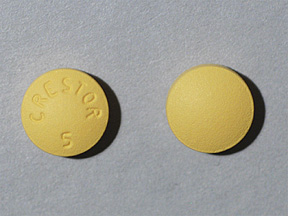
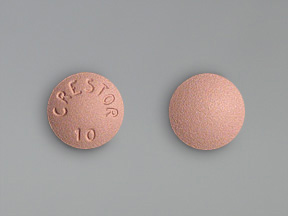
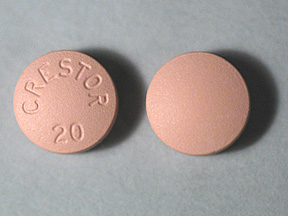
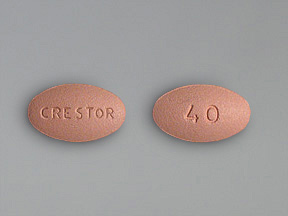
Rosuvastatin (marketed by AstraZeneca as Crestor, In India marketed by Zydus CND as Zyrova) is a member of the drug class of statins, used in combination with exercise, diet, and weight-loss to treat high cholesterol and related conditions, and to prevent cardiovascular disease. It was developed by Shionogi. Crestor is the fourth-highest selling drug in the United States, accounting for approx. $5.2 billion in sales in 2013.
The primary use of rosuvastatin is for the treatment of dyslipidemia.It is recommended to be used only after other measures such as diet, exercise, and weight reduction have not improved cholesterol levels
Rosuvastatin has multiple contraindications, conditions that warrant withholding treatment with rosuvastatin, including hypersensitivity to rosuvastatin or any component of the formulation, active liver disease, elevation of serum transaminases, pregnancy, or breast-feeding.Rosuvastatin must not be taken while pregnant as it can cause serious harm to the unborn baby.In the case of breastfeeding, it is unknown whether rosuvastatin is passed through breastmilk, but due to the potential of disrupting the infant's lipid metabolism, patients should not breast feed while on rosuvastatin.
Rosuvastatin is approved for the treatment of high LDL cholesterol (dyslipidemia), total cholesterol (hypercholesterolemia), and/or triglycerides (hypertriglyceridemia).In February 2010, rosuvastatin was approved by the FDA for the primary prevention of cardiovascular events.
As of 2004, rosuvastatin had been approved in 154 countries and launched in 56. Approval in the United States by the FDA came on August 12, 2003.
The results of the JUPITER trial (2008) suggested rosuvastatin may decrease the relative risk of heart attack and stroke in patients without hyperlipidemia, but with elevated levels of highly sensitive C-reactive protein. This could strongly impact medical practice by placing many patients on statin prophylaxis who otherwise would have been untreated.As a result of this clinical trial, the FDA approved rosuvastatin for the primary prevention of cardiovascular events.
The AURORA trial randomized 2776 patients undergoing hemodialysis due to kidney damage to receive either rosuvastatin or placebo. The randomized, double-blind study (2005 to 2009) found no difference in the two groups in the primary end-point, a combination of cardiovascular mortality, nonfatal myocardial infarction, or nonfatal stroke. The study found no difference in all-cause mortality among this population at a mean follow-up of 3.8 years.
The topic is the simvastatin saga, our review of the FDA's latest warnings about this popular statin. Here's why it matters.
When my patients needed statins, I always started with simvastatin. It was generic. It was on all the pharmacy plans. The price point was right. Prescribing was hassle free. There were no complex forms to fill out and explain to my patients. But on June 8, 2011, the FDA released new warnings about the dangers of high-dose simvastatin, which affects many people. In 2010, an estimated 2.1 million US patients were prescribed a product containing 80 mg simvastatin.
clinical trial database in which 41,413 patients were treated with ZOCOR, 24,747 (approximately 60%) of whom were enrolled in studies with a median follow-up of at least 4 years, the incidence of myopathy was approximately 0.03% and 0.08% at 20 and 40 mg/day, respectively. The incidence of myopathy with 80 mg (0.61%) was disproportionately higher than that observed at the lower doses. In these trials, patients were carefully monitored and some interacting medicinal products were excluded.
In a clinical trial in which 12,064 patients with a history of myocardial infarction were treated with ZOCOR (mean follow-up 6.7 years), the incidence of myopathy (defined as unexplained muscle weakness or pain with a serum creatine kinase [CK] 10 times upper limit of normal [ULN]) in patients on 80 mg/day was approximately 0.9% compared with 0.02% for patients on 20 mg/day. The incidence of rhabdomyolysis (defined as myopathy with a CK 40 times ULN) in patients on 80 mg/day was approximately 0.4% compared with 0% for patients on 20 mg/day. The incidence of myopathy, including rhabdomyolysis, was highest during the first year and then notably decreased during the subsequent years of treatment. In this trial, patients were carefully monitored and some interacting medicinal products were excluded.
Rosuvastatin is used along with a proper diet to help lower "bad" cholesterol and fats (such as LDL, triglycerides) and raise "good" cholesterol (HDL) in the blood. It belongs to a group of drugs known as "statins." It works by reducing the amount of cholesterol made by the liver. Lowering "bad" cholesterol and triglycerides and raising "good" cholesterol decreases the risk of heart disease and helps to prevent strokes and heart attacks.
In addition to eating a proper diet (such as a low cholesterol/low-fat diet), other lifestyle changes that may help this medication work better include exercising, losing weight if overweight, and stopping smoking. Talk with your doctor for more details.
How to use rosuvastatin
Read the Patient Information Leaflet if available from your pharmacist before you start taking rosuvastatin and each time you get a refill. If you have any questions, ask your doctor or pharmacist.
Take this medication by mouth with or without food as directed by your doctor, usually once daily.
Dosage is based on your medical condition, response to treatment, age, race, and other medications you may be taking. Be sure to tell your doctor and pharmacist about all the products you use (including prescription drugs, nonprescription drugs, and herbal products). If you are of Asian descent, your doctor may direct you to start with a lower dose because you may be more sensitive to its effects.
Antacids containing aluminum or magnesium can reduce the absorption of this drug. Therefore, if taking this type of antacid, take it at least 2 hours after this medication.
Take this medication regularly in order to get the most benefit from it. Remember to take it at the same time each day. It is important to continue taking this medication even if you feel well. Most people with high cholesterol or triglycerides do not feel sick.
It is very important to continue to follow your doctor's advice about diet and exercise. It may take up to 4 weeks before you get the full benefit of this drug.
Remember that your doctor has prescribed this medication because he or she has judged that the benefit to you is greater than the risk of side effects. Many people using this medication do not have serious side effects.
A very small number of people taking rosuvastatin may have mild memory problems or confusion. If these rare effects occur, talk to your doctor.
Tell your doctor right away if this unlikely but serious side effect occurs: foamy urine.
This drug may infrequently cause muscle problems (which can rarely lead to very serious conditions called rhabdomyolysis and autoimmune myopathy). Tell your doctor right away if you develop any of these symptoms during treatment and if these symptoms persist after your doctor stops this drug: muscle pain/tenderness/weakness (especially with fever or unusual tiredness), change in the amount of urine.
This medication may rarely cause liver problems. If you notice any of the following rare but serious side effects, tell your doctor right away: yellowing eyes/skin, dark urine, severe stomach/abdominal pain, persistent nausea/vomiting.
A very serious allergic reaction to this drug is rare. However, get medical help right away if you notice any symptoms of a serious allergic reaction, including: rash, itching/swelling (especially of the face/tongue/throat), dizziness, trouble breathing.
This is not a complete list of possible side effects. If you notice other effects not listed above, contact your doctor or pharmacist.
In the US -
Call your doctor for medical advice about side effects. You may report side effects to FDA.
In Canada - Call your doctor for medical advice about side effects. You may report side effects to Health Canada.
Before taking rosuvastatin, tell your doctor or pharmacist if you are allergic to it; or if you have any other allergies. This product may contain inactive ingredients, which can cause allergic reactions or other problems. Talk to your pharmacist for more details.
Before using this medication, tell your doctor or pharmacist your medical history, especially of: liver disease, kidney disease, alcohol use.
Before having surgery, tell your doctor or dentist about all the products you use (including prescription drugs, nonprescription drugs, and herbal products).
Limit alcoholic beverages. Daily use of alcohol may increase your risk for liver problems, especially when combined with rosuvastatin. Ask your doctor or pharmacist for more information.
Older adults may be more sensitive to the side effects of this drug, especially muscle problems.
This medication must not be used during pregnancy. Rosuvastatin may harm an unborn baby. Therefore, it is important to prevent pregnancy while taking this medication. Consult your doctor for more details and to discuss the use of reliable forms of birth control (such as condoms, birth control pills) while taking this medication. If you become pregnant or think you may be pregnant, tell your doctor immediately.
It is unknown if this medication passes into breast milk. Because of the possible risk to the infant, breast-feeding while using this drug is not recommended. Consult your doctor before breast-feeding.
Drug interactions may change how your medications work or increase your risk for serious side effects. This document does not contain all possible drug interactions. Keep a list of all the products you use (including prescription/nonprescription drugs and herbal products) and share it with your doctor and pharmacist. Do not start, stop, or change the dosage of any medicines without your doctor's approval.
Some products that may interact with this drug include: "blood thinners" (such as warfarin), gemfibrozil.
Other medications can affect the removal of rosuvastatin from your body, which may affect how rosuvastatin works. One example is cyclosporine, among others.
Do not take any red yeast rice products while you are taking rosuvastatin because some red yeast rice products may also contain a statin called lovastatin. Taking rosuvastatin and red yeast rice products together can increase your risk of serious muscle and liver problems.
If overdose is suspected, contact a poison control center or emergency room immediately. US residents can call their local poison control center at 1-800-222-1222. Canada residents can call a provincial poison control center.
Notes
Do not share this medication with others.
Laboratory and/or medical tests (such as blood cholesterol/triglyceride levels) should be performed periodically to monitor your progress or check for side effects. Consult your doctor for more details.
Missed Dose
If you miss a dose, take it as soon as you remember. If it is near the time of the next dose (within 12 hours), skip the missed dose and resume your usual dosing schedule. Do not double the dose to catch up.
Storage
Store at room temperature away from light and moisture. Do not store in the bathroom. Keep all medications away from children and pets.
Do not flush medications down the toilet or pour them into a drain unless instructed to do so. Properly discard this product when it is expired or no longer needed. Consult your pharmacist or local waste disposal company for more details about how to safely discard your product.
Information last revised May 2014. Copyright(c) 2014 First Databank, Inc.


