




 Home

- Allergies
- Acid Reflux
- ADHD
- Anxiety Disorders
- Arthritis
- Asthma
- Back Pain
- Bipolar Disorder
- Cancer
- Cholesterol
- Cold, Flu, & Cough
- COPD
- Depression
- Diabetes
- Eye Health
- Fibromyalgia
- Heart Disease
- Heartburn/GERD
- Hypertension
- Incontinence/OAB
- Migraines
- Osteoporosis
- Rheumatoid Arthritis
- Sexual Conditions
- Sleep Disorders
- Celebrity Secrets
- Skin Problems
- Multiple Sclerosis
- X-Rays
- Yellow Fever
- Yoga
- Women's Health
- Vitamins
- Weight Loss
- Wisdom Teeth
- Ultrasounds
- Transplant
- Skin Cancer
- Pain Management
- Palliative Care
- Pneumonia
- Obesity
- Mental Health
- Liver Cancer
- Lung Disease
- Labor and Delivery
- Knee Replacement Surgery
- Kidney Stones
- Jaundice
- Integrative Medicine
- Infections
- Interventional Pulmonology
- Headaches
- High blood preasure
- HIV/AIDS
- Fever
- Gestational Diabetes
- Gas
- Food Poisoning
- Oral Care
- Dengue Fever
- Ear Infections
- Diarrhea
- Dry Skin
- Cholera
- Children's Health
- Chickenpox
- Brain Diseases
- Lower Back pain
- Bone Tumors
- Anemia
- Avoidant Personality Disorder
- Aging
- Alcohol Interaction With Medication
- Burns
- Cataracts
- Chlamydia
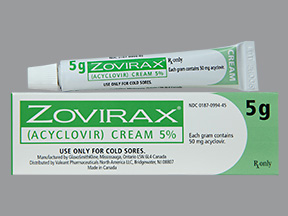
Acyclovir topical (for the skin) is an antiviral drug. It slows the growth and spread of the herpes virus so that the body can fight off the infection.
Acyclovir topical cream is used to treat cold sores.
Acyclovir topical ointment is used to treat genital herpes lesions.
Acyclovir topical will not cure or prevent herpes, but it can lessen the symptoms of the infection.
Acyclovir topical may also be used for purposes not listed in this medication guide.
Avoid getting this medication in your eyes, nose, or mouth.
Use this medication for the full prescribed length of time. Your symptoms may improve before the infection is completely cleared.
Herpes infections are contagious and you can infect other people, even while you are being treated with acyclovir. Acyclovir will not prevent the spread of genital herpes. Avoid sexual intercourse or use a latex condom to prevent spreading the virus to others.
Acyclovir topical is used to manage initial episodes of herpes infections. It is an antiviral medication that helps to reduce the pain and severity of herpes lesions or sores.
This medication may be available under multiple brand names and/or in several different forms. Any specific brand name of this medication may not be available in all of the forms or approved for all of the conditions discussed here. As well, some forms of this medication may not be used for all of the conditions discussed here.
Valtrex precautions and warnings include potential drug interactions, possible risks for people with poor kidney function, and whether women who are nursing should take it. Before taking Valtrex, talk to your healthcare provider about any health conditions you may have, such as kidney disease, AIDS, or depression. Valtrex precautions and warnings also extend to any medications you are taking, including prescription and non-prescription medications, vitamins, and herbal supplements.
Valtrex is considered a pregnancy Category B medication. This means that Valtrex is probably safe for use during pregnancy. However, because Valtrex has not been studied in pregnant women, the full risks of using it during pregnancy are not known. Women who are pregnant should take Valtrex only if the benefits outweigh the risks to the developing baby. Discuss possible risks and benefits with your healthcare provider before using Valtrex when pregnant.
Valtrex is passed through breast milk. Therefore, if you are breastfeeding, or plan to start breastfeeding, be sure to talk with your healthcare provider about this. He or she can decide whether taking Valtrex while nursing is okay for your particular situation.
Valtrex can cause central nervous system side effects, such as confusion, hallucinations, delirium, or seizures, especially if a person is given too high of a dosage with respect to his or her kidney function.
A serious condition called thrombotic thrombocytopenic purpura/hemolytic uremic syndrome (TTP/HUS) has occurred in certain people taking Valtrex. TTP/HUS is a condition involving very low red blood cell and platelet counts. In TTP/HUS, the body forms many small blood clots. This dangerous condition has occurred in people with HIV and people who have had a stem cell transplant or kidney transplant. These people were taking unusually high doses of Valtrex (8 grams per day). Talk to your healthcare provider right away if you have signs of TTP/HUS, including unusual bruising and bleeding or unexplained fever. Valtrex precautions and warnings include potential drug interactions, possible risks for people with poor kidney function, and whether women who are nursing should take it. Before taking Valtrex, talk to your healthcare provider about any health conditions you may have, such as kidney disease, AIDS, or depression. Valtrex precautions and warnings also extend to any medications you are taking, including prescription and non-prescription medications, vitamins, and herbal supplements.
Valtrex is considered a pregnancy Category B medication. This means that Valtrex is probably safe for use during pregnancy. However, because Valtrex has not been studied in pregnant women, the full risks of using it during pregnancy are not known. Women who are pregnant should take Valtrex only if the benefits outweigh the risks to the developing baby. Discuss possible risks and benefits with your healthcare provider before using Valtrex when pregnant.
Valtrex is passed through breast milk. Therefore, if you are breastfeeding, or plan to start breastfeeding, be sure to talk with your healthcare provider about this. He or she can decide whether taking Valtrex while nursing is okay for your particular situation.
Valtrex can cause central nervous system side effects, such as confusion, hallucinations, delirium, or seizures, especially if a person is given too high of a dosage with respect to his or her kidney function.
A serious condition called thrombotic thrombocytopenic purpura/hemolytic uremic syndrome (TTP/HUS) has occurred in certain people taking Valtrex. TTP/HUS is a condition involving very low red blood cell and platelet counts. In TTP/HUS, the body forms many small blood clots. This dangerous condition has occurred in people with HIV and people who have had a stem cell transplant or kidney transplant. These people were taking unusually high doses of Valtrex (8 grams per day). Talk to your healthcare provider right away if you have signs of TTP/HUS, including unusual bruising and bleeding or unexplained fever.
This medication is used to treat the first outbreak of genital herpes infection. It is also used to treat non-life-threatening herpes infections of the skin and around the mouth (cold sores) in people with a weakened immune system. This medication may decrease the length of time you have pain and help the sores heal faster. Acyclovir is an antiviral drug. It stops the growth of certain viruses.
This medication does not cure herpes or prevent the infection from coming back. Also, it does not prevent the spread of herpes to others.
Other antiviral medications taken by mouth may be more effective in treating these conditions. Discuss your treatment options with your doctor.
How to use Zovirax topical
Apply this medication to skin only. Avoid getting this medication in your eyes. If this happens, wash immediately with plenty of water.
Begin using acyclovir as soon as symptoms of a herpes infection appear. Wash your hands with soap and water before and after using this medication. Clean and dry the affected areas before applying the medication. Use a finger cot or rubber glove when applying acyclovir to prevent spreading the infection to other parts of your body and to other people. Apply enough ointment to cover all sores, usually every 3 hours, 6 times a day, or as directed by your doctor. Continue to use this medication for the full time prescribed.
Tell your doctor if your condition does not improve after 7 days of treatment or if it worsens.
This medication may cause mild, temporary burning or stinging when you apply it. If either of these effects persists or worsens, tell your doctor or pharmacist promptly.
Remember that your doctor has prescribed this medication because he or she has judged that the benefit to you is greater than the risk of side effects. Many people using this medication do not have serious side effects.
A very serious allergic reaction to this drug is rare. However, get medical help right away if you notice any symptoms of a serious allergic reaction, including: rash, itching/swelling (especially of the face/tongue/throat), severe dizziness, trouble breathing.
This is not a complete list of possible side effects. If you notice other effects not listed above, contact your doctor or pharmacist.
In the US -
Call your doctor for medical advice about side effects. You may report side effects to FDA.
In Canada - Call your doctor for medical advice about side effects. You may report side effects to Health Canada.
Before using acyclovir, tell your doctor or pharmacist if you are allergic to it; or to valacyclovir; or if you have any other allergies. This product may contain inactive ingredients (such as polyethylene glycol), which can cause allergic reactions or other problems. Talk to your pharmacist for more details.
Before using this medication, tell your doctor or pharmacist your medical history.
Before having surgery, tell your doctor or dentist about all the products you use (including prescription drugs, nonprescription drugs, and herbal products).
Cold sores can spread easily. Avoid close physical contact with others (such as kissing) during an outbreak until the cold sores have completely healed. Try not to touch the cold sore. If you do, wash your hands afterward.
To lower the chance of giving genital herpes to your partner, do not have sexual contact during an outbreak or if you have symptoms. You can spread genital herpes even if you do not have symptoms. Therefore, always use an effective barrier method (latex or polyurethane condoms/dental dams) during all sexual activity. Consult your doctor or pharmacist for more details.
Tell your doctor if you are pregnant before using this medication. Discuss the risks and benefits with your doctor.
It is unknown if this medication passes into breast milk. Consult your doctor before breast-feeding. Avoid breastfeeding if you have herpes sores on or near your breast.
Drug interactions may change how your medications work or increase your risk for serious side effects. This document does not contain all possible drug interactions. Keep a list of all the products you use (including prescription/nonprescription drugs and herbal products) and share it with your doctor and pharmacist. Do not start, stop, or change the dosage of any medicines without your doctor's approval.
This medicine may be harmful if swallowed. If swallowing or overdose is suspected, contact a poison control center or emergency room immediately. US residents can call their local poison control center at 1-800-222-1222. Canada residents can call a provincial poison control center.
Notes
Do not share this medication with others.
Wear loose-fitting clothing over your herpes sores to keep from irritating them.
Cold sore outbreaks can be caused by many factors such as stress, hormonal changes (such as pregnancy, menstrual period), injury/surgery on the mouth (such as dental work), tiredness, sunlight, cold weather, or fever/cold/flu. Talk to your doctor about identifying and managing these triggers.
Missed Dose
If you miss a dose, use it as soon as you remember. If it is near the time of the next dose, skip the missed dose and resume your usual dosing schedule. Do not double the dose to catch up.
Storage
Store at room temperature away from moisture. Do not store in the bathroom. Keep all medications away from children and pets.
Do not flush medications down the toilet or pour them into a drain unless instructed to do so. Properly discard this product when it is expired or no longer needed. Consult your pharmacist or local waste disposal company.
Information last revised March 2013. Copyright(c) 2013 First Databank, Inc.


