




 Home

- Allergies
- Acid Reflux
- ADHD
- Anxiety Disorders
- Arthritis
- Asthma
- Back Pain
- Bipolar Disorder
- Cancer
- Cholesterol
- Cold, Flu, & Cough
- COPD
- Depression
- Diabetes
- Eye Health
- Fibromyalgia
- Heart Disease
- Heartburn/GERD
- Hypertension
- Incontinence/OAB
- Migraines
- Osteoporosis
- Rheumatoid Arthritis
- Sexual Conditions
- Sleep Disorders
- Celebrity Secrets
- Skin Problems
- Multiple Sclerosis
- X-Rays
- Yellow Fever
- Yoga
- Women's Health
- Vitamins
- Weight Loss
- Wisdom Teeth
- Ultrasounds
- Transplant
- Skin Cancer
- Pain Management
- Palliative Care
- Pneumonia
- Obesity
- Mental Health
- Liver Cancer
- Lung Disease
- Labor and Delivery
- Knee Replacement Surgery
- Kidney Stones
- Jaundice
- Integrative Medicine
- Infections
- Interventional Pulmonology
- Headaches
- High blood preasure
- HIV/AIDS
- Fever
- Gestational Diabetes
- Gas
- Food Poisoning
- Oral Care
- Dengue Fever
- Ear Infections
- Diarrhea
- Dry Skin
- Cholera
- Children's Health
- Chickenpox
- Brain Diseases
- Lower Back pain
- Bone Tumors
- Anemia
- Avoidant Personality Disorder
- Aging
- Alcohol Interaction With Medication
- Burns
- Cataracts
- Chlamydia
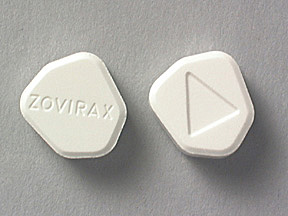
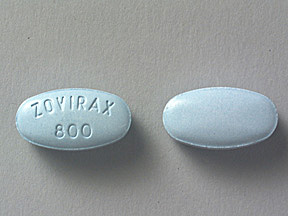
ZOVIRAX is the brand name for acyclovir, a synthetic nucleoside analogue active against herpesviruses. ZOVIRAX (acyclovir) Capsules, Tablets, and Suspension are formulations for oral administration. Each capsule of ZOVIRAX contains 200 mg of acyclovir and the inactive ingredients corn starch, lactose, magnesium stearate, and sodium lauryl sulfate. The capsule shell consists of gelatin, FD&C Blue No. 2, and titanium dioxide. May contain one or more parabens. Printed with edible black ink.
Each 800-mg tablet of ZOVIRAX contains 800 mg of acyclovir and the inactive ingredients FD&C Blue No. 2, magnesium stearate, microcrystalline cellulose, povidone, and sodium starch glycolate.
Each 400-mg tablet of ZOVIRAX contains 400 mg of acyclovir and the inactive ingredients magnesium stearate, microcrystalline cellulose, povidone, and sodium starch glycolate. Each teaspoonful (5 mL) of ZOVIRAX Suspension contains 200 mg of acyclovir and the inactive ingredients methylparaben 0.1% and propylparaben 0.02% (added as preservatives), carboxymethylcellulose sodium, flavor, glycerin, microcrystalline cellulose, and sorbitol.
Acyclovir is a white, crystalline powder with the molecular formula C8H11N5O3 and a molecular weight of 225. The maximum solubility in water at 37°C is 2.5 mg/mL. The pka's of acyclovir are 2.27 and 9.25.
Valtrex precautions and warnings include potential drug interactions, possible risks for people with poor kidney function, and whether women who are nursing should take it. Before taking Valtrex, talk to your healthcare provider about any health conditions you may have, such as kidney disease, AIDS, or depression. Valtrex precautions and warnings also extend to any medications you are taking, including prescription and non-prescription medications, vitamins, and herbal supplements.
Valtrex is considered a pregnancy Category B medication. This means that Valtrex is probably safe for use during pregnancy. However, because Valtrex has not been studied in pregnant women, the full risks of using it during pregnancy are not known. Women who are pregnant should take Valtrex only if the benefits outweigh the risks to the developing baby. Discuss possible risks and benefits with your healthcare provider before using Valtrex when pregnant.
Valtrex is passed through breast milk. Therefore, if you are breastfeeding, or plan to start breastfeeding, be sure to talk with your healthcare provider about this. He or she can decide whether taking Valtrex while nursing is okay for your particular situation.
Valtrex can cause central nervous system side effects, such as confusion, hallucinations, delirium, or seizures, especially if a person is given too high of a dosage with respect to his or her kidney function.
A serious condition called thrombotic thrombocytopenic purpura/hemolytic uremic syndrome (TTP/HUS) has occurred in certain people taking Valtrex. TTP/HUS is a condition involving very low red blood cell and platelet counts. In TTP/HUS, the body forms many small blood clots. This dangerous condition has occurred in people with HIV and people who have had a stem cell transplant or kidney transplant. These people were taking unusually high doses of Valtrex (8 grams per day). Talk to your healthcare provider right away if you have signs of TTP/HUS, including unusual bruising and bleeding or unexplained fever. Valtrex precautions and warnings include potential drug interactions, possible risks for people with poor kidney function, and whether women who are nursing should take it. Before taking Valtrex, talk to your healthcare provider about any health conditions you may have, such as kidney disease, AIDS, or depression. Valtrex precautions and warnings also extend to any medications you are taking, including prescription and non-prescription medications, vitamins, and herbal supplements.
Valtrex is considered a pregnancy Category B medication. This means that Valtrex is probably safe for use during pregnancy. However, because Valtrex has not been studied in pregnant women, the full risks of using it during pregnancy are not known. Women who are pregnant should take Valtrex only if the benefits outweigh the risks to the developing baby. Discuss possible risks and benefits with your healthcare provider before using Valtrex when pregnant.
Valtrex is passed through breast milk. Therefore, if you are breastfeeding, or plan to start breastfeeding, be sure to talk with your healthcare provider about this. He or she can decide whether taking Valtrex while nursing is okay for your particular situation.
Valtrex can cause central nervous system side effects, such as confusion, hallucinations, delirium, or seizures, especially if a person is given too high of a dosage with respect to his or her kidney function.
A serious condition called thrombotic thrombocytopenic purpura/hemolytic uremic syndrome (TTP/HUS) has occurred in certain people taking Valtrex. TTP/HUS is a condition involving very low red blood cell and platelet counts. In TTP/HUS, the body forms many small blood clots. This dangerous condition has occurred in people with HIV and people who have had a stem cell transplant or kidney transplant. These people were taking unusually high doses of Valtrex (8 grams per day). Talk to your healthcare provider right away if you have signs of TTP/HUS, including unusual bruising and bleeding or unexplained fever.
Acyclovir is used to treat infections caused by certain types of viruses. It treats cold sores around the mouth (caused by herpes simplex), shingles (caused by herpes zoster), and chickenpox.
This medication is also used to treat outbreaks of genital herpes. In people with frequent outbreaks, acyclovir is used to help reduce the number of future episodes.
Acyclovir is an antiviral drug. However, it is not a cure for these infections. The viruses that cause these infections continue to live in the body even between outbreaks. Acyclovir decreases the severity and length of these outbreaks. It helps the sores heal faster, keeps new sores from forming, and decreases pain/itching. This medication may also help reduce how long pain remains after the sores heal. In addition, in people with a weakened immune system, acyclovir can decrease the risk of the virus spreading to other parts of the body and causing serious infections.
How to use Zovirax
Take this medication by mouth with or without food, usually 2 to 5 times a day as directed by your doctor. Drink plenty of fluids while taking this medication unless your doctor directs you otherwise.
If you are using the liquid form of this medication, shake the bottle well before each dose. Carefully measure the dose using a special measuring device/spoon. Do not use a household spoon because you may not get the correct dose.
This medication works best when started at the first sign of an outbreak, as directed by your doctor. It may not work as well if you delay treatment.
Dosage is based on your medical condition and response to treatment. In children, dosage is also based on weight.
This medication works best when the amount of drug in your body is kept at a constant level. Therefore, take this drug at evenly spaced intervals. To help you remember, take it at the same times each day.
Continue to take this medication until the full prescribed amount is finished. Do not change your dose, skip any doses, or stop this medication early without your doctor's approval.
Tell your doctor if your condition persists or worsens.
Nausea may occur. If nausea persists or worsens, tell your doctor or pharmacist promptly.
Remember that your doctor has prescribed this medication because he or she has judged that the benefit to you is greater than the risk of side effects. Many people using this medication do not have serious side effects.
Tell your doctor immediately if any of these unlikely but serious side effects occur: dizziness, drowsiness, signs of kidney problems (such as a change in the amount of urine, unusual back/side pain), mental/mood changes (such as agitation, confusion, hallucinations), shaky/unsteady movement, trouble speaking.
This medication may rarely cause a life-threatening disorder that affects the blood cells, kidneys, and other parts of the body. This disorder is more likely to occur if you have conditions related to a weakened immune system (such as HIV disease, bone marrow transplant, kidney transplant). Seek immediate medical attention if any of these rare but serious side effects occur: extreme tiredness, slow/fast/irregular heartbeat, easy bruising/bleeding, new fever, bloody/dark urine, severe stomach/abdominal pain, yellowing eyes/skin, sudden vision changes, loss of consciousness, seizures.
A very serious allergic reaction to this drug is rare. However, seek immediate medical attention if you notice any symptoms of a serious allergic reaction, including: rash, itching/swelling (especially of the face/tongue/throat), severe dizziness, trouble breathing.
This is not a complete list of possible side effects. If you notice other effects not listed above, contact your doctor or pharmacist.
In the US -
Call your doctor for medical advice about side effects. You may report side effects to FDA.
In Canada - Call your doctor for medical advice about side effects. You may report side effects to Health Canada.
Before taking acyclovir, tell your doctor or pharmacist if you are allergic to it; or to valacyclovir; or if you have any other allergies. This product may contain inactive ingredients, which can cause allergic reactions or other problems. Talk to your pharmacist for more details.
Before using this medication, tell your doctor or pharmacist your medical history, especially of: kidney problems, conditions related to a weakened immune system (such as HIV disease, bone marrow transplant, kidney transplant).
This drug may rarely make you dizzy or drowsy. Do not drive, use machinery, or do any activity that requires alertness until you are sure you can perform such activities safely. Limit alcoholic beverages.
Before having surgery, tell your doctor or dentist about all the products you use (including prescription drugs, nonprescription drugs, and herbal products).
Do not have certain immunizations/vaccinations (such as vaccines against the varicella virus) without the consent of your doctor.
Older adults may be more sensitive to the side effects of the drug, especially kidney problems (change in the amount of urine, back/side pain), dizziness, drowsiness, and mental/mood changes (such as confusion, hallucinations, loss of consciousness).
Acyclovir does not protect against the spread of genital herpes. To lower the chance of giving herpes to your partner, do not have sexual contact during an outbreak or if you have symptoms. You can spread genital herpes even if you do not have symptoms. Therefore, always use an effective barrier method (latex or polyurethane condoms/dental dams) during all sexual activity. Consult your doctor or pharmacist for more details.
During pregnancy, this medication should be used only when clearly needed. Discuss the risks and benefits with your doctor.
This medication passes into breast milk. However, this drug is unlikely to harm a nursing infant. Consult your doctor before breast-feeding.
Drug interactions may change how your medications work or increase your risk for serious side effects. This document does not contain all possible drug interactions. Keep a list of all the products you use (including prescription/nonprescription drugs and herbal products) and share it with your doctor and pharmacist. Do not start, stop, or change the dosage of any medicines without your doctor's approval.
Some products that may interact with this drug include: other drugs that may cause kidney problems (including nonsteroidal anti-inflammatory drugs-NSAIDs such as ibuprofen, naproxen).
Acyclovir is very similar to valacyclovir. Do not use medications containing valacyclovir while using acyclovir.
If overdose is suspected, contact a poison control center or emergency room immediately. US residents can call their local poison control center at 1-800-222-1222. Canada residents can call a provincial poison control center. Symptoms of overdose may include: change in the amount of urine, extreme tiredness, agitation, loss of consciousness, seizures.
Notes
Do not share this medication with others.
This medication has been prescribed for your current condition only. Do not use it later for another infection unless your doctor directs you to do so. A different medication may be necessary in that case.
Missed Dose
If you miss a dose, take it as soon as you remember. If it is near the time of the next dose, skip the missed dose and resume your usual dosing schedule. Do not double the dose to catch up.
Storage
Store at room temperature between 59-77 degrees F (15-25 degrees C) away from light and moisture. Do not store in the bathroom. Keep all medicines away from children and pets.
Do not flush medications down the toilet or pour them into a drain unless instructed to do so. Properly discard this product when it is expired or no longer needed. Consult your pharmacist or local waste disposal company for more details about how to safely discard your product.
Information last revised October 2013. Copyright(c) 2013 First Databank, Inc.


