




 Home

- Allergies
- Acid Reflux
- ADHD
- Anxiety Disorders
- Arthritis
- Asthma
- Back Pain
- Bipolar Disorder
- Cancer
- Cholesterol
- Cold, Flu, & Cough
- COPD
- Depression
- Diabetes
- Eye Health
- Fibromyalgia
- Heart Disease
- Heartburn/GERD
- Hypertension
- Incontinence/OAB
- Migraines
- Osteoporosis
- Rheumatoid Arthritis
- Sexual Conditions
- Sleep Disorders
- Celebrity Secrets
- Skin Problems
- Multiple Sclerosis
- X-Rays
- Yellow Fever
- Yoga
- Women's Health
- Vitamins
- Weight Loss
- Wisdom Teeth
- Ultrasounds
- Transplant
- Skin Cancer
- Pain Management
- Palliative Care
- Pneumonia
- Obesity
- Mental Health
- Liver Cancer
- Lung Disease
- Labor and Delivery
- Knee Replacement Surgery
- Kidney Stones
- Jaundice
- Integrative Medicine
- Infections
- Interventional Pulmonology
- Headaches
- High blood preasure
- HIV/AIDS
- Fever
- Gestational Diabetes
- Gas
- Food Poisoning
- Oral Care
- Dengue Fever
- Ear Infections
- Diarrhea
- Dry Skin
- Cholera
- Children's Health
- Chickenpox
- Brain Diseases
- Lower Back pain
- Bone Tumors
- Anemia
- Avoidant Personality Disorder
- Aging
- Alcohol Interaction With Medication
- Burns
- Cataracts
- Chlamydia
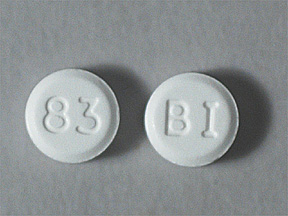
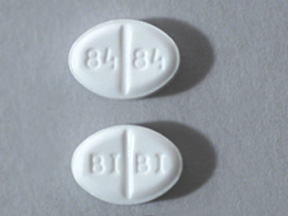
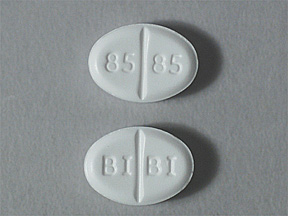

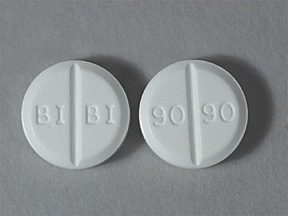
MIRAPEX tablets contain pramipexole, a nonergot dopamine agonist. The chemical name of pramipexole dihydrochloride is (S)-2-amino-4,5,6,7-tetrahydro-6(propylamino)benzothiazole dihydrochloride monohydrate. Its empirical formula is C10H17N3S 2HCl H2O, and its molecular weight is 302.26.
Pramipexole dihydrochloride is a white to off-white powder substance. Melting occurs in the range of 296C to 301C, with decomposition. Pramipexole dihydrochloride is more than 20% soluble in water, about 8% in methanol, about 0.5% in ethanol, and practically insoluble in dichloromethane.
MIRAPEX tablets, for oral administration, contain 0.125 mg, 0.25 mg, 0.5 mg, 0.75 mg, 1 mg, or 1.5 mg of pramipexole dihydrochloride monohydrate. Inactive ingredients consist of mannitol, corn starch, colloidal silicon dioxide, povidone, and magnesium stearate.
I thought I'd share my recent experience dealing with Cymbalta- something I'd never given a thought to.
Last week, Tuesday night is when it started, I came down with a stomach bug. It was bad; I couldn't keep water down and if I took my oral meds of course they came right back up. I'd start to feel a little better and then it would hit again. Thank God that I'm on the patch for pain because I don't know how I would have controlled my pain.
By Saturday night, although feeling a little better, I still hadn't ingested much more than water. I woke up with body wracking spasms, I mean my entire body would clench up and then relax again. I looked like Linda Blair in "The Exorsist". I had almost no control of my muscles. My husband took me to the ER- I thought I was low on potassium or just plain dehydrated.
Actually I was suffering from Seratonin Withdrawl Syndrome! Because of the stomach flu and the abrupt stopping of Cymbalta my body was completly devoid of seratonin. When you take Cymbalta your body can actually stop producing it's own seratonin. I had no idea that something like that, while it's rare, could happen.
I guess the moral of the story is "Don't be like Griff!" If you are sick for that long you should see a doctor, especially with the kinds of medications a lot of us are taking. I'm fine now but never, never again want to go through something like that. It almost makes me want to turn in my medication badge and go it solo......almost.
Pramipexole is used alone or with other medications to treat Parkinson's disease. It can improve your ability to move and decrease shakiness (tremor), stiffness, slowed movement, and unsteadiness. It may also decrease the number of episodes of not being able to move ("on-off syndrome").
This medication is also used to treat a certain medical condition (restless legs syndrome - RLS) that causes an unusual urge to move the legs. Symptoms usually occur at night along with uncomfortable/unpleasant feelings in the legs. This medication can decrease these symptoms and thereby improve sleep.
Pramipexole is a dopamine agonist that works by helping to restore the balance of a certain natural substance (dopamine) in the brain.
How to use Mirapex
Read the Patient Information Leaflet provided by your pharmacist before you start taking pramipexole and each time you get a refill. If you have any questions, consult your doctor or pharmacist.
Take this medication by mouth with or without food, as directed by your doctor. Taking this medication with food may reduce nausea. To decrease the risk of side effects (e.g., drowsiness, low blood pressure) when you first start taking pramipexole, your doctor will slowly increase your dosage until the best dose for you is reached. Take this medication as prescribed. Do not increase your dose or take it more often than directed.
Use this medication regularly in order to get the most benefit from it. To help you remember, take it at the same times each day.
If you stop taking this medication for several days, you may need to increase your dose slowly back to your previous dosage. Talk with your doctor about how to restart the medication. Do not stop taking this medication without your doctor's approval. Although very unlikely, if you suddenly stop taking this drug, withdrawal reactions may occur. Such reactions can include fever, muscle stiffness, and confusion. Report any such reactions to your doctor immediately. If you have Parkinson's disease and are stopping regular treatment with this drug, gradually reducing the dosage as directed will help prevent withdrawal reactions. Consult your doctor or pharmacist for more details.
The dosage is based on your medical condition and response to treatment.
It may take a few weeks for full effects of this medication to be noticed. Inform your doctor if your symptoms do not improve or if they worsen.
Nausea, dizziness, drowsiness, trouble sleeping, constipation, headache, or dry mouth may occur. If these effects persist or worsen, notify your doctor promptly.
Remember that your doctor has prescribed this medication because he or she has judged that the benefit to you is greater than the risk of side effects. Many people using this medication do not have serious side effects.
Tell your doctor immediately if any of these unlikely but serious side effects occur: fainting, mental/mood changes (e.g., confusion, depression, hallucinations, memory problems), increased difficulty moving/walking, muscle cramps/spasm, restlessness, decreased sexual ability, increased shakiness (tremor)/stiffness.
Tell your doctor immediately if any of these rare but very serious side effects occur: swelling of the ankles/feet, chest pain, compulsive behaviors (e.g., pathological gambling), fever, unusually fast/slow/irregular heartbeat, muscle pain/weakness, unusual tiredness, change in amount of urine, vision changes.
Some people taking pramipexole have reported falling asleep suddenly during their usual daily activities (e.g., talking on the phone, driving). In some cases, sleep occurred without any feelings of drowsiness beforehand. This sleep effect may occur any time during treatment with pramipexole, including up to 1 year after starting the medication. Therefore, you should not drive or take part in other possibly dangerous activities until you are certain that this medication will not cause drowsiness or sudden sleep. If you experience increased sleepiness or fall asleep during the day, do not drive or take part in other possibly dangerous activities until you have discussed this effect with your doctor. Your risk is increased with use of alcohol or other medications that can make you drowsy. You may also develop a sudden drop in blood pressure, which can cause dizziness, nausea, sweating, and fainting. This is more likely when you are first starting the medication, when your dose is increased, or when you get up suddenly. To lower your risk, get up slowly from a sitting or lying position.
A very serious allergic reaction to this drug is unlikely, but seek immediate medical attention if it occurs. Symptoms of a serious allergic reaction may include: rash, itching/swelling (especially of the face/tongue/throat), severe dizziness, trouble breathing.
This is not a complete list of possible side effects. If you notice other effects not listed above, contact your doctor or pharmacist.
In the US -
Call your doctor for medical advice about side effects. You may report side effects to FDA.
In Canada - Call your doctor for medical advice about side effects. You may report side effects to Health Canada.
Before taking pramipexole, tell your doctor or pharmacist if you are allergic to it; or if you have any other allergies. This product may contain inactive ingredients, which can cause allergic reactions or other problems. Talk to your pharmacist for more details.
Before using this medication, tell your doctor or pharmacist your medical history, especially of: low blood pressure, heart problems (e.g., irregular heartbeat, heart failure), kidney problems, mental/mood disorders (e.g., confusion, hallucinations, psychosis, schizophrenia), sleep disorder (e.g., sleep apnea, narcolepsy).
This drug may make you dizzy or drowsy. Do not drive, use machinery, or do any activity that requires alertness until you are sure you can perform such activities safely. Limit alcoholic beverages.
To minimize dizziness and lightheadedness, get up slowly when rising from a sitting or lying position.
Kidney function declines as you grow older. This medication is removed by the kidneys. Therefore, elderly people may be at a greater risk for side effects such as dizziness and hallucinations while using this drug.
During pregnancy, this medication should be used only when clearly needed. Discuss the risks and benefits with your doctor.
This drug may pass into breast milk and could have undesirable effects on a nursing infant. It may also affect milk production. Therefore, breast-feeding is not recommended while using this drug. Consult your doctor before breast-feeding.
Your healthcare professionals (e.g., doctor or pharmacist) may already be aware of any possible drug interactions and may be monitoring you for them. Do not start, stop, or change the dosage of any medicine before checking with them first.
Before using this medication, tell your doctor or pharmacist of all prescription and nonprescription/herbal products you may use, especially: antipsychotics (e.g., chlorpromazine, haloperidol, thiothixene), cimetidine, metoclopramide.
If you are taking levodopa or a carbidopa/levodopa combination, your doctor may direct you to decrease your levodopa dose after you start taking pramipexole.
Tell your doctor or pharmacist if you also take drugs that cause drowsiness such as certain antihistamines (e.g., diphenhydramine), anti-seizure drugs (e.g., carbamazepine), medicine for sleep or anxiety (e.g., alprazolam, diazepam, zolpidem), muscle relaxants, narcotic pain relievers (e.g., codeine), psychiatric medicines (e.g., risperidone, amitriptyline, trazodone).
Check the labels on non-prescription medications for heartburn/upset stomach. They may contain cimetidine, which can affect the level of pramipexole in your body. Also check the labels on all your medicines (e.g., allergy, cough-and-cold products) because they may contain drowsiness-causing ingredients. Ask your pharmacist about the safe use of those products.
This document does not contain all possible interactions. Therefore, before using this product, tell your doctor or pharmacist of all the products you use. Keep a list of all your medications with you, and share the list with your doctor and pharmacist.
If overdose is suspected, contact a poison control center or emergency room immediately. US residents can call their local poison control center at 1-800-222-1222. Canada residents can call a provincial poison control center.
Notes
Do not share this medication with others.
People with Parkinson's disease may have an increased risk for developing skin cancer (melanoma). If you are taking this drug to treat Parkinson's disease, tell your doctor promptly if you notice a change in the appearance or size of moles or other unusual skin changes. Ask your doctor if you should have regular skin exams.
Missed Dose
If you miss a dose, take it as soon as you remember unless it is almost time for the next dose. In that case, skip the missed dose and resume your usual dosing schedule. Do not double the dose to catch up.
Storage
Store at room temperature at 77 degrees F (25 degrees C) away from light and moisture. Brief storage between 59-86 degrees F (15-30 degrees C) is permitted. Keep all medicines away from children and pets.
Do not flush medications down the toilet or pour them into a drain unless instructed to do so. Properly discard this product when it is expired or no longer needed. Consult your pharmacist or local waste disposal company for more details about how to safely discard your product.
Information last revised March 2013. Copyright(c) 2013 First Databank, Inc.


