




 Home

- Allergies
- Acid Reflux
- ADHD
- Anxiety Disorders
- Arthritis
- Asthma
- Back Pain
- Bipolar Disorder
- Cancer
- Cholesterol
- Cold, Flu, & Cough
- COPD
- Depression
- Diabetes
- Eye Health
- Fibromyalgia
- Heart Disease
- Heartburn/GERD
- Hypertension
- Incontinence/OAB
- Migraines
- Osteoporosis
- Rheumatoid Arthritis
- Sexual Conditions
- Sleep Disorders
- Celebrity Secrets
- Skin Problems
- Multiple Sclerosis
- X-Rays
- Yellow Fever
- Yoga
- Women's Health
- Vitamins
- Weight Loss
- Wisdom Teeth
- Ultrasounds
- Transplant
- Skin Cancer
- Pain Management
- Palliative Care
- Pneumonia
- Obesity
- Mental Health
- Liver Cancer
- Lung Disease
- Labor and Delivery
- Knee Replacement Surgery
- Kidney Stones
- Jaundice
- Integrative Medicine
- Infections
- Interventional Pulmonology
- Headaches
- High blood preasure
- HIV/AIDS
- Fever
- Gestational Diabetes
- Gas
- Food Poisoning
- Oral Care
- Dengue Fever
- Ear Infections
- Diarrhea
- Dry Skin
- Cholera
- Children's Health
- Chickenpox
- Brain Diseases
- Lower Back pain
- Bone Tumors
- Anemia
- Avoidant Personality Disorder
- Aging
- Alcohol Interaction With Medication
- Burns
- Cataracts
- Chlamydia
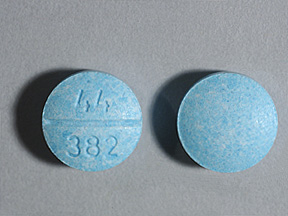
Pseudoephedrine is a sympathomimetic drug of the phenethylamine and amphetamine chemical classes. It may be used as a nasal/sinus decongestant, as a stimulant, or as a wakefulness-promoting agent.
The salts pseudoephedrine hydrochloride and pseudoephedrine sulfate are found in many over-the-counter preparations, either as a single ingredient or (more commonly) in combination with antihistamines, guaifenesin, dextromethorphan, and/or paracetamol (acetaminophen) or an NSAID (such as aspirin or ibuprofen).
Chemistry
Pseudoephedrine is a diastereomer of ephedrine and is readily reduced into methamphetamine or oxidized into methcathinone.
The dextrorotary (+)- or d- enantiomer is (1S,2S)-pseudoephedrine, whereas the levorotating (−)- or l- form is (1R,2R)-pseudoephedrine.
In the outdated d/l system (+)-pseudoephedrine is also referred to as l-pseudoephedrine and (−)-pseudoephedrine as d-pseudoephedrine (in the Fisher projection then the phenyl ring is drawn at bottom)
Synthesis
Although pseudoephedrine occurs naturally as an alkaloid in certain plant species (for example, as a constituent of extracts from the Ephedra species, also known as ma huang, in which it occurs together with other isomers of ephedrine), the majority of pseudoephedrine produced for commercial use is derived from yeast fermentation of dextrose in the presence of benzaldehyde.
Mechanism of action
Pseudoephedrine is a sympathomimetic amine. Its principal mechanism of action relies on its direct action on the adrenergic receptor system.The vasoconstriction that pseudoephedrine produces is believed to be principally an α-adrenergic receptor response.
National legislation
Australia
Illicit diversion of pseudoephedrine in Australia has caused significant changes to the way the products are regulated. As of 2006, all products containing pseudoephedrine have been rescheduled as either "Pharmacist Only Medicines" (Schedule 3) or "Prescription Only Medicines" , depending on the amount of pseudoephedrine in the product. A Pharmacist Only Medicine may only be sold to the public if a pharmacist is directly involved in the transaction. These medicines must be kept behind the counter, away from public access.
As a result, many pharmacies simply no longer stock Sudafed (the common brand of pseudoephedrine cold/sinus tablets), opting instead to sell Sudafed PE, a phenylephrine product which has not been proven effective in clinical trials.
Colombia
The Colombian government prohibited the trade of pseudoephedrine in 2010.
Mexico
On November 23, 2007, the use and trade of pseudoephedrine in Mexico was made illicit, as it was argued that it was extremely popular as a precursor in the synthesis of methamphetamine.
New Zealand
In New Zealand, from 15 October 2004, as a result of large intercepts of pseudoephedrine and ephedrine, any product containing these substances, e.g. cold and flu medicines, were classified as Class C Part III (partially exempted) controlled drugs in the Misuse of Drugs Act 1975.New Zealand Customs and police officers are continuing to make large interceptions of precursor substances believed to be destined for methamphetamine production. On 9 October 2009, Prime Minister John Key announced pseudoephedrine-based cold and flu tablets would become prescription-only drugs and reclassified as a class B2 drug.The Misuse of Drugs Amendment Bill 2010 has not yet been finalised.
United Kingdom
In the UK, pseudoephedrine is available over the counter under the supervision of a qualified pharmacist, or on prescription. In 2007, the MHRA reacted to concerns over diversion of ephedrine and pseudoephedrine for the illicit manufacture of methamphetamine by introducing voluntary restrictions limiting over the counter sales to one box containing no more than 720 mg of pseudoephedrine in total per transaction. These restrictions became law in April, 2008. However no form of ID is required.
United States
The United States Congress has recognized that pseudoephedrine is used in the illegal manufacture of methamphetamine. In 2005, the Committee on Education and the Workforce heard testimony concerning education programs and state legislation designed to curb this illegal practice.
Do not use if you are now taking a prescription monoamine oxidase inhibitor (MAOI) (certain drugs for depression, psychiatric, or emotional conditions, or Parkinson's disease), or for 2 weeks after stopping the MAOI drug. If you do not know if your prescription drug contains an MAOI, ask a doctor or pharmacist before taking this product.
Although pseudoephedrine has no significant pressure effect in normotensive patients, It should be used with caution in the patient with hypertension, patients using tricyclic antidepressants, decongestant, appetite suppressants and amphetamine like psychostimulants. Particular care should also be taken in treating patient with underlyning diseases associated with autonomic dysfunction, such as long standing insulin-dependent diabetes mellitus or thyroid disease. Other conditions also exacerbated by pseudoephedrine include myocardial ischmia, cardiac arrhythmia, glucoma, and urinary retension. Do not take the drug more than seven days. Use with great caution in the presence of liver or the kidney impairment. Use topical decongestant (pseudoephedrine) only in acute conditions, not longer than 3 to 5 days. It should be used sparingly in all patients, especially in infants, children and in cardiac patients. Patient should not derive or operate machinery until they have determined their own response. Concomitant use of alcohol or other centrally acting sedative should be avoided. not to be used in nursing mother. Not to be used in patient MAOI inhibitors.
This combination medication is used to temporarily relieve symptoms caused by the common cold, flu, allergies, or other breathing illnesses (such as sinusitis, bronchitis). Antihistamines help relieve watery eyes, itchy eyes/nose/throat, runny nose, and sneezing. Decongestants help to relieve stuffy nose and ear congestion symptoms.
If you are self-treating with this medication, carefully read the package instructions to be sure it is right for you before you start using this product. Some products have similar brand names but different active ingredients with different uses. Taking the wrong product could harm you. Ask your pharmacist if you have any questions about your product or its use.
Cough-and-cold products have not been shown to be safe or effective in children younger than 6 years. Therefore, do not use this product to treat cold symptoms in children younger than 6 years unless specifically directed by the doctor. Some products (including some long-acting tablets/capsules) are not recommended for use in children younger than 12 years. Ask your doctor or pharmacist for more details about using your product safely. Do not use this product to make a child sleepy.
These products do not cure or shorten the length of the common cold and may cause serious side effects. To decrease the risk for serious side effects, carefully follow all dosage directions. Do not give other cough-and-cold medication that might contain the same or similar ingredients (see also Drug Interactions section). Ask the doctor or pharmacist about other ways to relieve cough and cold symptoms (such as drinking enough fluids, using a humidifier or saline nose drops/spray).
How to use Wal-Finate-D
Take this medication by mouth as directed by your doctor. If you are self-treating, follow all directions on the product package. If you are uncertain about any of the information, ask your doctor or pharmacist.
This medication may be taken with food if stomach upset occurs. Drink plenty of fluids unless otherwise directed by your doctor.
If you are using the liquid form of this medication, carefully measure the dose using a special measuring device/spoon. Do not use a household spoon because you may not get the correct dose. If your liquid form is a suspension, shake the bottle well before each dose.
Do not crush or chew extended-release tablets or capsules. Doing so can release all of the drug at once, increasing the risk of side effects. Also, do not split extended-release tablets unless they have a score line and your doctor or pharmacist tells you to do so. Swallow the whole or split tablet without crushing or chewing.
If you are using chewable tablets, chew each tablet thoroughly before swallowing.
If you are using a product made to dissolve in the mouth (tablets/strips), dry your hands before handling the medication. Place each dose on the tongue and allow to dissolve completely, then swallow it with saliva or with water.
Dosage is based on the product you are taking and your age, medical condition, and response to treatment. Do not increase your dose or take this medication more often than directed without your doctor's approval. Improper use (abuse) of this medication may result in serious harm (such as hallucinations, seizure, death).
If your doctor directs you to take this medication daily, take it regularly to get the most benefit from it. To help you remember, take it at the same time(s) each day.
Tell your doctor if your condition persists for more than 1 week, if it worsens, or if it occurs with fever, rash, or persistent headache. These may be symptoms of a serious medical problem and should be checked by a doctor.
Drowsiness, dizziness, dry mouth/nose/throat, headache, upset stomach, constipation, or trouble sleeping may occur. If any of these effects persist or worsen, tell your doctor or pharmacist promptly.
If your doctor has directed you to use this product, remember that he or she has judged that the benefit to you is greater than the risk of side effects. Many people using the product do not have serious side effects.
Tell your doctor immediately if any of these unlikely but serious side effects occur: mental/mood changes (such as confusion, hallucinations), ringing in the ears, difficulty urinating, vision changes (such as blurred/double vision).
Seek immediate medical attention if any of these rare but very serious side effects occur: fast/irregular heartbeat, seizure.
A very serious allergic reaction to this drug is rare. However, seek immediate medical attention if you notice any symptoms of a serious allergic reaction, including: rash, itching/swelling (especially of the face/tongue/throat), severe dizziness, trouble breathing.
This is not a complete list of possible side effects. If you notice other effects not listed above, contact your doctor or pharmacist.
Before taking this product, tell your doctor or pharmacist if you are allergic to any of its ingredients; or if you have any other allergies. This product may contain inactive ingredients, which can cause allergic reactions or other problems. Talk to your pharmacist for more details.
Before using this medication, tell your doctor or pharmacist your medical history, especially of: breathing problems (such as asthma, emphysema), diabetes, glaucoma, heart problems, high blood pressure, kidney problems, liver disease, seizures, stomach/intestinal problems (such as ulcers, blockage), overactive thyroid (hyperthyroidism), difficulty urinating (such as due to enlarged prostate).
This drug may make you dizzy or drowsy. Do not drive, use machinery, or do any activity that requires alertness until you are sure you can perform such activities safely. Limit alcoholic beverages.
Liquid products, chewable tablets, or dissolving tablets/strips may contain sugar or aspartame. Liquid products may also contain alcohol. Caution is advised if you have diabetes, alcohol dependence, liver disease, phenylketonuria (PKU), or any other condition that requires you to limit/avoid these substances in your diet. Ask your doctor or pharmacist about using this product safely.
Before having surgery, tell your doctor or dentist about all the products you use (including prescription drugs, nonprescription drugs, and herbal products).
Children may be more sensitive to the side effects of this product, especially excitation and agitation.
Older adults may be more sensitive to the side effects of this product, especially dizziness, drowsiness, confusion, constipation, fast/irregular heartbeat, trouble sleeping, or urination problems. Dizziness, drowsiness, trouble sleeping, and confusion can increase the risk of falling.
During pregnancy, this medication should be used only when clearly needed. Discuss the risks and benefits with your doctor.
This medication may pass into breast milk and the effect on a nursing infant is unknown. Consult your doctor before breast-feeding.
The effects of some drugs can change if you take other drugs or herbal products at the same time. This can increase your risk for serious side effects or may cause your medications not to work correctly. These drug interactions are possible, but do not always occur. Your doctor or pharmacist can often prevent or manage interactions by changing how you use your medications or by close monitoring.
To help your doctor and pharmacist give you the best care, be sure to tell your doctor and pharmacist about all the products you use (including prescription drugs, nonprescription drugs, and herbal products) before starting treatment with this product. While using this product, do not start, stop, or change the dosage of any other medicines you are using without your doctor's approval.
Some products that may interact with this drug include: antihistamines applied to the skin (such as diphenhydramine cream, ointment, spray), blood pressure medications (especially reserpine, guanethidine, methyldopa, beta blockers such as atenolol, or calcium channel blockers such as nifedipine).
Taking MAO inhibitors with this medication may cause a serious (possibly fatal) drug interaction. Avoid taking MAO inhibitors (isocarboxazid, linezolid, methylene blue, moclobemide, phenelzine, procarbazine, rasagiline, selegiline, tranylcypromine) during treatment with this medication. Most MAO inhibitors should also not be taken for two weeks before treatment with this medication. Ask your doctor when to start or stop taking this medication.
Tell your doctor or pharmacist if you are taking other products that cause drowsiness including alcohol, antihistamines (such as cetirizine, diphenhydramine), drugs for sleep or anxiety (such as alprazolam, diazepam, zolpidem), muscle relaxants, and narcotic pain relievers (such as codeine).
Check the labels on all your medicines (such as cough-and-cold products, diet aids) because they may contain ingredients that could affect your blood pressure or cause drowsiness. Ask your pharmacist about using those products safely.
This medication may interfere with certain medical/laboratory tests (including brain scan for Parkinson's disease), possibly causing false test results. Make sure laboratory personnel and all your doctors know you use this drug.
This document does not contain all possible drug interactions. Keep a list of all the products you use. Share this list with your doctor and pharmacist to lessen your risk for serious medication problems.
If overdose is suspected, contact a poison control center or emergency room immediately. Symptoms of overdose may include: irregular heartbeat, hallucinations, fainting, seizures.
Notes
If your doctor has prescribed this medication, do not share it with others.
Keep all regular medical and laboratory appointments.
Do not take this product for several days before allergy testing because test results can be affected.
Missed Dose
If you are taking this product on a regular schedule and miss a dose, take it as soon as you remember. If it is near the time of the next dose, skip the missed dose and resume your usual dosing schedule. Do not double the dose to catch up.
Storage
Store at room temperature away from light and moisture. Do not store in the bathroom. Do not freeze liquid forms of this medication. Different brands of this medication have different storage needs. Check the product package for instructions on how to store your brand, or ask your pharmacist. Keep all medicines away from children and pets.
Do not flush medications down the toilet or pour them into a drain unless instructed to do so. Properly discard this product when it is expired or no longer needed. Consult your pharmacist or local waste disposal company for more details about how to safely discard your product.
Information last revised November 2013. Copyright(c) 2013 First Databank, Inc.


