




 Home

- Allergies
- Acid Reflux
- ADHD
- Anxiety Disorders
- Arthritis
- Asthma
- Back Pain
- Bipolar Disorder
- Cancer
- Cholesterol
- Cold, Flu, & Cough
- COPD
- Depression
- Diabetes
- Eye Health
- Fibromyalgia
- Heart Disease
- Heartburn/GERD
- Hypertension
- Incontinence/OAB
- Migraines
- Osteoporosis
- Rheumatoid Arthritis
- Sexual Conditions
- Sleep Disorders
- Celebrity Secrets
- Skin Problems
- Multiple Sclerosis
- X-Rays
- Yellow Fever
- Yoga
- Women's Health
- Vitamins
- Weight Loss
- Wisdom Teeth
- Ultrasounds
- Transplant
- Skin Cancer
- Pain Management
- Palliative Care
- Pneumonia
- Obesity
- Mental Health
- Liver Cancer
- Lung Disease
- Labor and Delivery
- Knee Replacement Surgery
- Kidney Stones
- Jaundice
- Integrative Medicine
- Infections
- Interventional Pulmonology
- Headaches
- High blood preasure
- HIV/AIDS
- Fever
- Gestational Diabetes
- Gas
- Food Poisoning
- Oral Care
- Dengue Fever
- Ear Infections
- Diarrhea
- Dry Skin
- Cholera
- Children's Health
- Chickenpox
- Brain Diseases
- Lower Back pain
- Bone Tumors
- Anemia
- Avoidant Personality Disorder
- Aging
- Alcohol Interaction With Medication
- Burns
- Cataracts
- Chlamydia
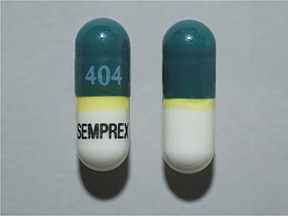
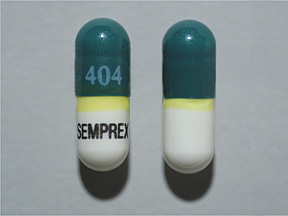
Promethazine is a neuroleptic medication and first-generation antihistamine of the phenothiazine family. The drug has strong sedative and weak antipsychotic effects. It also reduces motion sickness and has antiemetic and anticholinergic properties. In some countries it is prescribed for insomnia when benzodiazepines are contraindicated. It is available in many countries under the brand names Phenergan, Promethegan, Romergan, Fargan, Farganesse, Prothiazine, Avomine, Atosil, Receptozine, Lergigan, and (in the UK) Sominex.
Indications
As a sedative
For preoperative sedation and to counteract postnarcotic nausea
To reduce nervousness, restlessness and agitation caused by psychiatric conditions (used for this purpose mainly in Europe)
As antiallergic medication to combat hay fever (allergic rhinitis), etc., or to treat allergic reactions, alone or in combination with oral decongestants such as pseudoephedrine
As an adjunct treatment for anaphylactoid conditions (IM/IV route preferred)
Together with codeine or dextromethorphan against cough
As a motion sickness or seasickness remedy when used with ephedrine or pseudoephedrine
Chemistry
Solid promethazine hydrochloride is a white to faint-yellow, practically odorless, crystalline powder. Slow oxidation may occur upon prolonged exposure to air, usually causing blue discoloration. Its hydrochloride salt is freely soluble in water and somewhat soluble in alcohol. Promethazine is a chiral compound, occurring as a mixture of enantiomers (pictured).
Product liability lawsuit
In 2009, the US Supreme Court ruled on a product liability case involving promethazine. Diana Levine, a woman suffering from a migraine, was administered Wyeth's Phenergan via IV push. The drug was injected improperly, resulting in gangrene and subsequent amputation of her right forearm below the elbow. A state jury awarded her $6 million in punitive damages.
The case was appealed to the Supreme Court on grounds of federal preemption and substantive due process. The Supreme Court upheld the lower courts' rulings, stating that "Wyeth could have unilaterally added a stronger warning about IV-push administration" without acting in opposition to federal law.
Promethazine should not be used in children younger than 2 years since it might cause serious (possibly fatal) slow/shallow breathing. This problem has occurred even with normal doses in this age group. The lowest effective dosage should be used, and other drugs that affect breathing should be avoided. Seek immediate medical attention in the unlikely event that slow/shallow breathing occurs. Promethazine should not be used in children with liver disease (including possible Reyes syndrome).
This combination medication is used to temporarily relieve symptoms caused by the common cold, flu, allergies, or other breathing illnesses (such as sinusitis, bronchitis). Antihistamines help relieve watery eyes, itchy eyes/nose/throat, runny nose, and sneezing. Decongestants help to relieve stuffy nose and ear congestion symptoms.
If you are self-treating with this medication, carefully read the package instructions to be sure it is right for you before you start using this product. Some products have similar brand names but different active ingredients with different uses. Taking the wrong product could harm you. Ask your pharmacist if you have any questions about your product or its use.
Cough-and-cold products have not been shown to be safe or effective in children younger than 6 years. Therefore, do not use this product to treat cold symptoms in children younger than 6 years unless specifically directed by the doctor. Some products (including some long-acting tablets/capsules) are not recommended for use in children younger than 12 years. Ask your doctor or pharmacist for more details about using your product safely. Do not use this product to make a child sleepy.
These products do not cure or shorten the length of the common cold and may cause serious side effects. To decrease the risk for serious side effects, carefully follow all dosage directions. Do not give other cough-and-cold medication that might contain the same or similar ingredients (see also Drug Interactions section). Ask the doctor or pharmacist about other ways to relieve cough and cold symptoms (such as drinking enough fluids, using a humidifier or saline nose drops/spray).
How to use Semprex-D Oral
Take this medication by mouth as directed by your doctor. If you are self-treating, follow all directions on the product package. If you are uncertain about any of the information, ask your doctor or pharmacist.
This medication may be taken with food if stomach upset occurs. Drink plenty of fluids unless otherwise directed by your doctor.
If you are using the liquid form of this medication, carefully measure the dose using a special measuring device/spoon. Do not use a household spoon because you may not get the correct dose. If your liquid form is a suspension, shake the bottle well before each dose.
Do not crush or chew extended-release tablets or capsules. Doing so can release all of the drug at once, increasing the risk of side effects. Also, do not split extended-release tablets unless they have a score line and your doctor or pharmacist tells you to do so. Swallow the whole or split tablet without crushing or chewing.
If you are using chewable tablets, chew each tablet thoroughly before swallowing.
If you are using a product made to dissolve in the mouth (tablets/strips), dry your hands before handling the medication. Place each dose on the tongue and allow to dissolve completely, then swallow it with saliva or with water.
Dosage is based on the product you are taking and your age, medical condition, and response to treatment. Do not increase your dose or take this medication more often than directed without your doctor's approval. Improper use (abuse) of this medication may result in serious harm (such as hallucinations, seizure, death).
If your doctor directs you to take this medication daily, take it regularly to get the most benefit from it. To help you remember, take it at the same time(s) each day.
Tell your doctor if your condition persists for more than 1 week, if it worsens, or if it occurs with fever, rash, or persistent headache. These may be symptoms of a serious medical problem and should be checked by a doctor.
Drowsiness, dizziness, dry mouth/nose/throat, headache, upset stomach, constipation, or trouble sleeping may occur. If any of these effects persist or worsen, tell your doctor or pharmacist promptly.
If your doctor has directed you to use this product, remember that he or she has judged that the benefit to you is greater than the risk of side effects. Many people using the product do not have serious side effects.
Tell your doctor immediately if any of these unlikely but serious side effects occur: mental/mood changes (such as confusion, hallucinations), ringing in the ears, difficulty urinating, vision changes (such as blurred/double vision).
Seek immediate medical attention if any of these rare but very serious side effects occur: fast/irregular heartbeat, seizure.
A very serious allergic reaction to this drug is rare. However, seek immediate medical attention if you notice any symptoms of a serious allergic reaction, including: rash, itching/swelling (especially of the face/tongue/throat), severe dizziness, trouble breathing.
This is not a complete list of possible side effects. If you notice other effects not listed above, contact your doctor or pharmacist.
Before taking this product, tell your doctor or pharmacist if you are allergic to any of its ingredients; or if you have any other allergies. This product may contain inactive ingredients, which can cause allergic reactions or other problems. Talk to your pharmacist for more details.
Before using this medication, tell your doctor or pharmacist your medical history, especially of: breathing problems (such as asthma, emphysema), diabetes, glaucoma, heart problems, high blood pressure, kidney problems, liver disease, seizures, stomach/intestinal problems (such as ulcers, blockage), overactive thyroid (hyperthyroidism), difficulty urinating (such as due to enlarged prostate).
This drug may make you dizzy or drowsy. Do not drive, use machinery, or do any activity that requires alertness until you are sure you can perform such activities safely. Limit alcoholic beverages.
Liquid products, chewable tablets, or dissolving tablets/strips may contain sugar or aspartame. Liquid products may also contain alcohol. Caution is advised if you have diabetes, alcohol dependence, liver disease, phenylketonuria (PKU), or any other condition that requires you to limit/avoid these substances in your diet. Ask your doctor or pharmacist about using this product safely.
Before having surgery, tell your doctor or dentist about all the products you use (including prescription drugs, nonprescription drugs, and herbal products).
Children may be more sensitive to the side effects of this product, especially excitation and agitation.
Older adults may be more sensitive to the side effects of this product, especially dizziness, drowsiness, confusion, constipation, fast/irregular heartbeat, trouble sleeping, or urination problems. Dizziness, drowsiness, trouble sleeping, and confusion can increase the risk of falling.
During pregnancy, this medication should be used only when clearly needed. Discuss the risks and benefits with your doctor.
This medication may pass into breast milk and the effect on a nursing infant is unknown. Consult your doctor before breast-feeding.
The effects of some drugs can change if you take other drugs or herbal products at the same time. This can increase your risk for serious side effects or may cause your medications not to work correctly. These drug interactions are possible, but do not always occur. Your doctor or pharmacist can often prevent or manage interactions by changing how you use your medications or by close monitoring.
To help your doctor and pharmacist give you the best care, be sure to tell your doctor and pharmacist about all the products you use (including prescription drugs, nonprescription drugs, and herbal products) before starting treatment with this product. While using this product, do not start, stop, or change the dosage of any other medicines you are using without your doctor's approval.
Some products that may interact with this drug include: antihistamines applied to the skin (such as diphenhydramine cream, ointment, spray), blood pressure medications (especially reserpine, guanethidine, methyldopa, beta blockers such as atenolol, or calcium channel blockers such as nifedipine).
Taking MAO inhibitors with this medication may cause a serious (possibly fatal) drug interaction. Avoid taking MAO inhibitors (isocarboxazid, linezolid, methylene blue, moclobemide, phenelzine, procarbazine, rasagiline, selegiline, tranylcypromine) during treatment with this medication. Most MAO inhibitors should also not be taken for two weeks before treatment with this medication. Ask your doctor when to start or stop taking this medication.
Tell your doctor or pharmacist if you are taking other products that cause drowsiness including alcohol, antihistamines (such as cetirizine, diphenhydramine), drugs for sleep or anxiety (such as alprazolam, diazepam, zolpidem), muscle relaxants, and narcotic pain relievers (such as codeine).
Check the labels on all your medicines (such as cough-and-cold products, diet aids) because they may contain ingredients that could affect your blood pressure or cause drowsiness. Ask your pharmacist about using those products safely.
This medication may interfere with certain medical/laboratory tests (including brain scan for Parkinson's disease), possibly causing false test results. Make sure laboratory personnel and all your doctors know you use this drug.
This document does not contain all possible drug interactions. Keep a list of all the products you use. Share this list with your doctor and pharmacist to lessen your risk for serious medication problems.
If overdose is suspected, contact a poison control center or emergency room immediately. Symptoms of overdose may include: severe drowsiness, inability to wake up, slow/shallow breathing, slow heartbeat, hallucinations, seizures.
Notes
Do not share this medication with others.
This medication has been prescribed for your current condition only. Do not use it later for another condition unless told to do so by your doctor. A different medication may be necessary in those cases.
Missed Dose
If you are prescribed this medication on a regular schedule and miss a dose, take it as soon as you remember. If it is near the time of the next dose, skip the missed dose and resume your usual dosing schedule. Do not double the dose to catch up.
Storage
Store at room temperature away from light and moisture. Do not store in the bathroom. Do not freeze. Different brands of this medication have different storage needs. Check the product package for instructions on how to store your brand, or ask your pharmacist. Keep all medications away from children and pets.
Do not flush medications down the toilet or pour them into a drain unless instructed to do so. Properly discard this product when it is expired or no longer needed. Consult your pharmacist or local waste disposal company for more details about how to safely discard your product.
Information last revised December 2013. Copyright(c) 2013 First Databank, Inc.


