




 Home

- Allergies
- Acid Reflux
- ADHD
- Anxiety Disorders
- Arthritis
- Asthma
- Back Pain
- Bipolar Disorder
- Cancer
- Cholesterol
- Cold, Flu, & Cough
- COPD
- Depression
- Diabetes
- Eye Health
- Fibromyalgia
- Heart Disease
- Heartburn/GERD
- Hypertension
- Incontinence/OAB
- Migraines
- Osteoporosis
- Rheumatoid Arthritis
- Sexual Conditions
- Sleep Disorders
- Celebrity Secrets
- Skin Problems
- Multiple Sclerosis
- X-Rays
- Yellow Fever
- Yoga
- Women's Health
- Vitamins
- Weight Loss
- Wisdom Teeth
- Ultrasounds
- Transplant
- Skin Cancer
- Pain Management
- Palliative Care
- Pneumonia
- Obesity
- Mental Health
- Liver Cancer
- Lung Disease
- Labor and Delivery
- Knee Replacement Surgery
- Kidney Stones
- Jaundice
- Integrative Medicine
- Infections
- Interventional Pulmonology
- Headaches
- High blood preasure
- HIV/AIDS
- Fever
- Gestational Diabetes
- Gas
- Food Poisoning
- Oral Care
- Dengue Fever
- Ear Infections
- Diarrhea
- Dry Skin
- Cholera
- Children's Health
- Chickenpox
- Brain Diseases
- Lower Back pain
- Bone Tumors
- Anemia
- Avoidant Personality Disorder
- Aging
- Alcohol Interaction With Medication
- Burns
- Cataracts
- Chlamydia
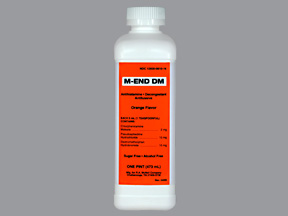
Dextromethorphan (DXM or DM) is an antitussive (cough suppressant) drug. It is one of the active ingredients in many over-the-counter cold and cough medicines, including generic labels and store brands, Benylin DM, Mucinex DM, Robitussin, NyQuil, Dimetapp, Vicks, Coricidin, Delsym, TheraFlu, and others. Dextromethorphan has also found other uses in medicine, ranging from pain relief to psychological applications. It is sold in syrup, tablet, spray, and lozenge forms. In its pure form, dextromethorphan occurs as a white powder.
Recreational use
Dextromethorphan gel capsules
Over-the-counter preparations containing dextromethorphan have been used in manners inconsistent with their labeling, often as a recreational drug. At doses much higher than medically recommended, DXM and its major metabolite, dextrorphan, acts as an NMDA receptor antagonist, which produces effects similar to, yet distinct from, the dissociative hallucinogenic states created by other dissociative anaesthetics such as ketamine and phencyclidine.
Contraindications
Because dextromethorphan can trigger a histamine release (allergic reaction), atopic children, who are especially susceptible to allergic reactions, should be administered dextromethorphan only if absolutely necessary, and only under the strict supervision of a healthcare professional.
Drug interactions
Dextromethorphan should not be taken with monoamine oxidase inhibitors (MAOIs) due to the potential for serotonin syndrome, which is a potentially life-threatening condition that can occur rapidly, due to a buildup of an excessive amount of serotonin in the body. Dextromethorphan can also cause serotonin syndrome when used with SSRI medicines, an interaction which has been documented in clinical cases where dextromethorphan is taken at recreational doses. It has been suggested that the link between therapeutic dosages of dextromethorphan and serotonin syndrome is less conclusive.
Food interactions
Caution should be exercised when taking dextromethorphan when drinking grapefruit juice or eating grapefruits, as compounds in grapefruit affect a number of drugs, including dextromethorphan, through the inhibition of the cytochrome p450 system in the liver and can lead to excessive accumulation and prolonged effects. It is generally recommended that grapefruits and grapefruit juices (especially white grapefruit juice, but also including other citrus fruits such as bergamot and lime, as well as a number of non-citrus fruits) be avoided while using dextromethorphan and numerous other medications.
Chemistry
Dextromethorphan is the dextrorotatory enantiomer of levomethorphan, which is the methyl ether of levorphanol, both opioid analgesics. It is named according to IUPAC rules as (+)-3-methoxy-17-methyl-9α,13α,14α-morphinan. As the pure free base, dextromethorphan occurs as an odorless, white to slightly yellow crystalline powder. It is freely soluble in chloroform and insoluble in water. Dextromethorphan is commonly available as the monohydrated hydrobromide salt, however some newer extended-release formulations contain dextromethorphan bound to an ion exchange resin based on polystyrene sulfonic acid. Dextromethorphan's specific rotation in water is +27.6 (20 C, Sodium D-line)
History
The racemic parent compound racemorphan was first described in a Swiss and US patent application from Hoffmann-La Roche in 1946 and 1947 respectively, a patent was granted in 1950. A resolution of the two isomers of racemorphan with tartaric acid was published in 1952,and DXM was successfully tested in 1954 as part of US Navy and CIA-funded research on nonaddictive substitutes for codeine.DXM was approved by the FDA in 1958 as an over-the-counter antitussive. As had been initially hoped, DXM was a solution for some of the problems associated with the use of codeine phosphate as a cough suppressant, such as sedation and opiate dependence, but like the dissociative anesthetics phencyclidine and ketamine, DXM later became associated with non-medical use.
This combination medication is used to treat symptoms caused by the common cold, flu, allergies, hay fever, or other breathing illnesses (e.g., sinusitis, bronchitis). Dextromethorphan is a cough suppressant that affects a certain part of the brain (cough center), reducing the urge to cough. Decongestants help relieve stuffy nose symptoms. Antihistamines relieve watery eyes, itchy eyes/nose/throat, runny nose, and sneezing.
Cough-and-cold products have not been shown to be safe or effective in children younger than 6 years. Therefore, do not use this product to treat cold symptoms in children younger than 6 years unless specifically directed by the doctor. Some products (such as long-acting tablets/capsules) are not recommended for use in children younger than 12 years. Ask your doctor or pharmacist for more details about using your product safely.
These products do not cure or shorten the length of the common cold and may cause serious side effects. To decrease the risk for serious side effects, carefully follow all dosage directions. Do not use this product to make a child sleepy. Do not give other cough-and-cold medication that might contain the same or similar ingredients (see also Drug Interactions section). Ask the doctor or pharmacist about other ways to relieve cough and cold symptoms (such as drinking enough fluids, using a humidifier or saline nose drops/spray).
How to use M-End DM
If you are taking the over-the-counter product, read all directions on the product package before taking this medication. If you have any questions, consult your pharmacist. If your doctor has prescribed this medication, take it as directed.
Take this medication by mouth with or without food with a full glass of water (8 ounces or 240 milliliters) or as directed by your doctor. This medication may be taken with food or milk if stomach upset occurs.
If you are using the liquid form, use a medication measuring device to carefully measure the prescribed dose. Do not use a household spoon. If your liquid form is a suspension, shake the bottle well before each dose.
If you are taking the extended-release capsules, swallow them whole. Do not crush or chew extended-release capsules or tablets. Doing so can release all of the drug at once, increasing the risk of side effects. Also, do not split extended-release tablets unless they have a score line and your doctor or pharmacist tells you to do so. Swallow the whole or split tablet without crushing or chewing.
Chewable forms of this medication should be chewed thoroughly before swallowing.
If you are taking the powder, mix it thoroughly in the proper amount of liquid and stir well. Drink all of the liquid immediately. Do not prepare a supply for future use.
The dosage is based on your age, medical condition and response to therapy. If you are taking this medication for allergy or hay fever symptoms, take it regularly in order to get the most benefit from it.
Improper use of this medication (abuse) may result in serious harm (e.g., brain damage, seizure, death). Do not increase your dose, take it more frequently, or use it for a longer time than directed.
Inform your doctor if your condition persists or worsens.
Drowsiness, dizziness, headache, blurred vision, upset stomach, nausea, constipation, or dry mouth/nose/throat may occur. If any of these effects persist or worsen, notify your doctor or pharmacist promptly.
To relieve dry mouth, suck on (sugarless) hard candy or ice chips, chew (sugarless) gum, drink water, or use a saliva substitute. This medication can dry up and thicken mucus in your lungs, making it more difficult to breathe and clear your lungs. To help prevent this effect, drink plenty of fluids unless otherwise directed by your doctor.
If your doctor has prescribed this medication, remember that he or she has judged that the benefit to you is greater than the risk of side effects. Many people using this medication do not have serious side effects.
Tell your doctor immediately if any of these unlikely but serious side effects occur: mental/mood changes (e.g., confusion, hallucinations), ringing in the ears, shaking (tremors), trouble urinating, weakness.
Tell your doctor immediately if any of these rare but very serious side effects occur: easy bruising/bleeding, fast/slow/irregular heartbeat, seizure.
A very serious allergic reaction to this drug is unlikely, but seek immediate medical attention if it occurs. Symptoms of a serious allergic reaction may include: rash, itching/swelling (especially of the face/tongue/throat), severe dizziness, trouble breathing.
This is not a complete list of possible side effects. If you notice other effects not listed above, contact your doctor or pharmacist.
Before taking this product, tell your doctor or pharmacist if you are allergic to it; or if you have any other allergies. This product may contain inactive ingredients, which can cause allergic reactions or other problems. Talk to your pharmacist for more details.
Before using this medication, tell your doctor or pharmacist your medical history, especially of: breathing problems (e.g., asthma, emphysema), diabetes, a certain eye problem (glaucoma), heart problems, high blood pressure, kidney problems, liver disease, seizures, stomach/intestinal problems (e.g., ulcers, blockage), overactive thyroid (hyperthyroidism), urination problems (e.g., trouble urinating due to enlarged prostate, urinary retention).
This drug may make you dizzy or drowsy or cause blurred vision. Do not drive, use machinery, or do any activity that requires alertness or clear vision until you are sure you can perform such activities safely. Limit the use of alcohol and certain other medications that cause drowsiness. (See also Drug Interactions.)
To minimize dizziness and lightheadedness, get up slowly when rising from a sitting or lying position.
This medicine may contain aspartame. If you have phenylketonuria (PKU) or any other condition that requires you to restrict your intake of aspartame (or phenylalanine), consult your doctor or pharmacist regarding the safe use of this medicine.
Liquid preparations of this product may contain sugar and/or alcohol. Caution is advised if you have diabetes, alcohol dependence, or liver disease. Ask your doctor or pharmacist about the safe use of this product.
Older adults may be more sensitive to the side effects of this drug, especially dizziness, drowsiness, mental/mood changes, constipation, fast heartbeat, trouble urinating, or blood pressure changes. Dizziness, drowsiness, and confusion can increase the risk of falling.
Children may be more sensitive to the effects of antihistamines. In young children, this medication may cause agitation/excitement instead of drowsiness.
During pregnancy, this medication should be used only when clearly needed. Discuss the risks and benefits with your doctor.
This medication may pass into breast milk. Consult your doctor before breast-feeding.
If you are taking this medication under your doctor's direction, your doctor or pharmacist may already be aware of any possible drug interactions and may be monitoring you for them. Do not start, stop, or change the dosage of any medicine before checking with your doctor or pharmacist first.
This product should not be used with the following medications because very serious (rarely fatal) interactions may occur: MAO inhibitors (isocarboxazid, linezolid, methylene blue, moclobemide, phenelzine, procarbazine, rasagiline, selegiline, tranylcypromine).
If you are currently using any of these medications listed above, tell your doctor or pharmacist before starting this medication. Avoid taking MAO inhibitors within 2 weeks of starting or stopping this medication.
Before using this product, tell your doctor or pharmacist of all prescription and nonprescription/herbal products you may use, especially: antihistamines applied to the skin (such as diphenhydramine cream, ointment, spray), antispasmodics (e.g., atropine, belladonna alkaloids), beta blockers (e.g., metoprolol, atenolol), drugs for Parkinson's disease (e.g., anticholinergics such as benztropine, trihexyphenidyl), guanethidine, certain inhaled anesthetics (e.g., halothane), methyldopa, reserpine, scopolamine, tricyclic antidepressants (e.g., amitriptyline, desipramine).
Tell your doctor or pharmacist if you also take drugs that cause drowsiness such as: certain antihistamines (e.g., diphenhydramine), anti-seizure drugs (e.g., carbamazepine), medicine for sleep or anxiety (e.g., alprazolam, diazepam, zolpidem), muscle relaxants, narcotic pain relievers (e.g., codeine), psychiatric medicines (e.g., chlorpromazine, risperidone, amitriptyline, trazodone).
Check the labels on all your medicines (e.g., cough-and-cold products, diet aids) because they may contain ingredients that could affect your heart rate/blood pressure or cause drowsiness. Ask your pharmacist about the safe use of those products.
This medication may interfere with certain medical/laboratory tests (including brain scan for Parkinson's disease), possibly causing false test results. Make sure laboratory personnel and all your doctors know you use this drug.
This document does not contain all possible interactions. Therefore, before using this product, tell your doctor or pharmacist of all the products you use. Keep a list of all your medications with you, and share the list with your doctor and pharmacist.
If overdose is suspected, contact a poison control center or emergency room immediately. Symptoms of overdose may include: agitation, confusion, flushing, hallucinations, large pupils, muscle twitching, seizures. In children, excitement may occur first, and may be followed by loss of coordination, drowsiness, loss of consciousness, seizures.
Notes
If your doctor has prescribed this medication, do not share it with others.
Keep all regular medical and laboratory appointments.
Do not take this product for several days before allergy testing because test results can be affected.
Missed Dose
If you are taking this product on a regular schedule and miss a dose, take it as soon as you remember. If it is near the time of the next dose, skip the missed dose and resume your usual dosing schedule. Do not double the dose to catch up.
Storage
Store in a tightly closed container at room temperature between 59-86 degrees F (15-30 degrees C) away from light and moisture. Do not store in the bathroom. Do not freeze liquid forms of this medication. Keep all medicines away from children and pets.
Do not flush medications down the toilet or pour them into a drain unless instructed to do so. Properly discard this product when it is expired or no longer needed. Consult your pharmacist or local waste disposal company for more details about how to safely discard your product.
Information last revised December 2013. Copyright(c) 2013 First Databank, Inc.


