




 Home

- Allergies
- Acid Reflux
- ADHD
- Anxiety Disorders
- Arthritis
- Asthma
- Back Pain
- Bipolar Disorder
- Cancer
- Cholesterol
- Cold, Flu, & Cough
- COPD
- Depression
- Diabetes
- Eye Health
- Fibromyalgia
- Heart Disease
- Heartburn/GERD
- Hypertension
- Incontinence/OAB
- Migraines
- Osteoporosis
- Rheumatoid Arthritis
- Sexual Conditions
- Sleep Disorders
- Celebrity Secrets
- Skin Problems
- Multiple Sclerosis
- X-Rays
- Yellow Fever
- Yoga
- Women's Health
- Vitamins
- Weight Loss
- Wisdom Teeth
- Ultrasounds
- Transplant
- Skin Cancer
- Pain Management
- Palliative Care
- Pneumonia
- Obesity
- Mental Health
- Liver Cancer
- Lung Disease
- Labor and Delivery
- Knee Replacement Surgery
- Kidney Stones
- Jaundice
- Integrative Medicine
- Infections
- Interventional Pulmonology
- Headaches
- High blood preasure
- HIV/AIDS
- Fever
- Gestational Diabetes
- Gas
- Food Poisoning
- Oral Care
- Dengue Fever
- Ear Infections
- Diarrhea
- Dry Skin
- Cholera
- Children's Health
- Chickenpox
- Brain Diseases
- Lower Back pain
- Bone Tumors
- Anemia
- Avoidant Personality Disorder
- Aging
- Alcohol Interaction With Medication
- Burns
- Cataracts
- Chlamydia
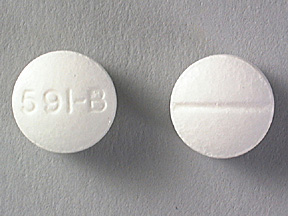
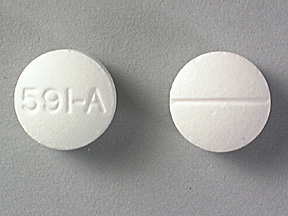
Meprobamate (marketed under the brand names Miltown by Wallace Laboratories, Equanil by Wyeth, and Meprospan) is a carbamate derivative which is used as an anxiolytic drug. It was the best-selling minor tranquilizer for a time, but has largely been replaced by the benzodiazepines, due to their wider therapeutic index (lower toxicity) and lower incidence of serious side effects.
History
Meprobamate was first synthesized by Bernard John Ludwig, PhD, and Frank Milan Berger, MD, at Carter Products in May 1950. Wallace Laboratories, a subsidiary of Carter Products, bought the license and named it Miltown after the borough of Milltown in New Jersey. Launched in 1955, it rapidly became the first blockbuster psychotropic drug in American history, becoming popular in Hollywood and gaining notoriety for its seemingly miraculous effects.
In the mid-1940s, Dr. Berger was working in a laboratory of a British drug company, looking for a preservative for penicillin, when he noticed that a compound called mephenesin had a sedative effect in small laboratory animals (rodents). Dr. Berger subsequently referred to this sedating or “tranquilizing” effect in a now-historic article, published by The British Journal of Pharmacology in 1946. However, there were three major drawbacks to the use of mephenesin as a tranquilizer: a very short duration of action, greater effect on the spinal cord than on the brain, and a weak activity. After moving to Wallace Laboratories in New Jersey, Dr. Berger and a chemist, Dr. Bernard Ludwig, synthesized a chemically-related tranquilizing compound, meprobamate, that was able to overcome these three drawbacks. It was soon prescribed under the trade name Miltown. It has been marketed under over 100 trade names, from "Amepromat" through "Quivet" to "Zirpon"
Pharmacology
Although it was marketed as being safer, meprobamate has most of the pharmacological effects and dangers of the barbiturates (though it is less sedating at effective doses). It is reported to have some anticonvulsant properties against absence seizures, but can exacerbate generalized tonic-clonic seizures.
Meprobamate's mechanism of action is not completely known. It has been shown in animal studies to have effects at multiple sites in the central nervous system, including the thalamus and limbic system. Meprobamate binds to GABAA receptors which interrupts neuronal communication in the reticular formation and spinal cord, causing sedation and altered perception of pain. It has been shown that meprobamate has the ability to activate currents even in the absence of GABA.
Health issues
This section does not cite any references or sources. Please help improve this section by adding citations to reliable sources. Unsourced material may be challenged and removed. (March 2012)
Meprobamate is a Schedule IV drug (US) (S5 in South Africa) under the Convention on Psychotropic Substances. With protracted use it can cause physical dependence and a potentially life-threatening abstinence syndrome similar to that of barbiturates and alcohol (delerium tremens). For this reason, discontinuation is often achieved through an extended regimen of slowly decreasing doses over a period of weeks, or even months. Alternatively, the patient may be switched to a longer-acting gabaminergic agent such as diazepam (in a manner similar to the use of methadone therapy for opiate addiction) before attempting de-titration.
Drug Dependence
Physical dependence, psychological dependence, and abuse have occurred. When chronic intoxication from prolonged use occurs, it usually involves ingestion of greater than recommended doses and is manifested by ataxia, slurred speech, and vertigo. Therefore, careful supervision of dose and amounts prescribed is advised, as well as avoidance of prolonged administration, especially for alcoholics and other patients with a known propensity for taking excessive quantities of drugs.
Sudden withdrawal of the drug after prolonged and excessive use may precipitate recurrence of preexisting symptoms such as anxiety, anorexia, insomnia, or withdrawal reactions such as vomiting, ataxia, tremors, muscle twitching, confusional states, hallucinosis, and rarely, convulsive seizures. Such seizures are more likely to occur in persons with central nervous system damage or pre-existent or latent convulsive disorders. Onset of withdrawal symptoms occurs usually within 12 to 48 hours after discontinuation of meprobamate; symptoms usually cease within the next 12 to 48 hours.
When excessive dosage has continued for weeks or months, dosage should be reduced gradually over a period of one or two weeks rather than abruptly stopped. Alternatively, a long-acting barbiturate may be substituted, then gradually withdrawn.
This medication is used short-term to treat symptoms of anxiety and nervousness. It acts on certain centers of the brain to help calm your nervous system.
How to use meprobamate
Take this medication by mouth with or without food, usually 2 to 4 times daily or as directed by your doctor.
Dosage is based on your age, medical condition, and response to treatment. Adults should not take more than 2400 milligrams in a 24-hour period.
Do not increase your dose or take this medication more often than prescribed. Your condition will not improve any faster, and the risk of serious side effects may be increased.
If this medication has been used regularly for a long time or in high doses, withdrawal symptoms (such as vomiting, shakiness, confusion, and rarely seizures) may occur if you suddenly stop using this medication. To prevent withdrawal reactions, your doctor may reduce your dose gradually. Consult your doctor or pharmacist for more details, and report any withdrawal reactions immediately.
When this medication is used for a long time, it may not work as well. Your doctor may need to increase your dose or change your medication. Talk with your doctor if this medication stops working well.
Along with its benefits, this medication may rarely cause abnormal drug-seeking behavior (addiction). This risk may be increased if you have abused alcohol or drugs in the past. Take this medication exactly as prescribed to lessen the risk of addiction.
Tell your doctor if your condition persists or worsens.
Drowsiness, dizziness, headache, excitement, nausea, vomiting, and diarrhea may occur. If any of these effects persist or worsen, tell your doctor or pharmacist promptly.
Remember that your doctor has prescribed this medication because he or she has judged that the benefit to you is greater than the risk of side effects. Many people using this medication do not have serious side effects.
Tell your doctor immediately if any of these unlikely but serious side effects occur: numbness/tingling/swelling of arms/legs.
Tell your doctor immediately if any of these rare but very serious side effects occur: fast/irregular heartbeat, fainting, signs of infection (such as fever, persistent sore throat), easy bruising/bleeding, change in the amount of urine, unusual tiredness.
A very serious allergic reaction to this drug is rare. However, seek immediate medical attention if you notice any symptoms of a serious allergic reaction, including: rash, itching/swelling (especially of the face/tongue/throat), severe dizziness, trouble breathing.
This is not a complete list of possible side effects. If you notice other effects not listed above, contact your doctor or pharmacist.
Before taking meprobamate, tell your doctor or pharmacist if you are allergic to it; or to carisoprodol, mebutamate, tybamate, or carbromal; or if you have any other allergies. This product may contain inactive ingredients, which can cause allergic reactions or other problems. Talk to your pharmacist for more details.
Before using this medication, tell your doctor or pharmacist your medical history, especially of: a certain liver/blood disorder (porphyria), kidney disease, liver disease, brain disorders (such as seizures, brain damage).
This drug may make you dizzy or drowsy. Do not drive, use machinery, or do any activity that requires alertness until you are sure you can perform such activities safely. Avoid alcoholic beverages.
Older adults may be more sensitive to the side effects of this drug, especially drowsiness and addiction. Drowsiness can increase the risk of falling.
This medication is not recommended for use during the first 3 months of pregnancy due to the potential for harm to an unborn baby. During the last 6 months of pregnancy, this medication should be used only when clearly needed. Discuss the risks and benefits with your doctor.
This medication passes into breast milk and may have undesirable effects on a nursing infant. Consult your doctor before breast-feeding.
The effects of some drugs can change if you take other drugs or herbal products at the same time. This can increase your risk for serious side effects or may cause your medications not to work correctly. These drug interactions are possible, but do not always occur. Your doctor or pharmacist can often prevent or manage interactions by changing how you use your medications or by close monitoring.
To help your doctor and pharmacist give you the best care, be sure to tell your doctor and pharmacist about all the products you use (including prescription drugs, nonprescription drugs, and herbal products) before starting treatment with this product. While using this product, do not start, stop, or change the dosage of any other medicines you are using without your doctor's approval.
Tell your doctor or pharmacist if you are taking other products that cause drowsiness, including alcohol, antihistamines (such as cetirizine, diphenhydramine), drugs for sleep or anxiety (such as alprazolam, diazepam, zolpidem), muscle relaxants (such as carisoprodol), and narcotic pain relievers (such as codeine).
Check the labels on all your medicines (such as allergy or cough-and-cold products) because they may contain ingredients that cause drowsiness. Ask your pharmacist about using those products safely.
This document does not contain all possible drug interactions. Keep a list of all the products you use. Share this list with your doctor and pharmacist to lessen your risk for serious medication problems.
If overdose is suspected, contact a poison control center or emergency room immediately.Symptoms of overdose may include: clumsiness, slurred speech, severe dizziness/drowsiness, or slow/shallow breathing.
Notes
Do not share this medication with others. It is against the law.
Keep all medical appointments. Your doctor will periodically monitor your progress or check for side effects. Consult your doctor for more details.
Missed Dose
If you are taking this on a regular schedule and you miss a dose, take it as soon as you remember. If it is near the time of the next dose, skip the missed dose and resume your usual dosing schedule. Do not double the dose to catch up.
Storage
Store at room temperature away from light and moisture. See packaging or consult your pharmacist for the exact temperature range. Do not store in the bathroom. Keep all medicines away from children and pets.
Do not flush medications down the toilet or pour them into a drain unless instructed to do so. Properly discard this product when it is expired or no longer needed. Consult your pharmacist or local waste disposal company for more details about how to safely discard your product.
Information last revised April 2014. Copyright(c) 2014 First Databank, Inc.


