




 Home

- Allergies
- Acid Reflux
- ADHD
- Anxiety Disorders
- Arthritis
- Asthma
- Back Pain
- Bipolar Disorder
- Cancer
- Cholesterol
- Cold, Flu, & Cough
- COPD
- Depression
- Diabetes
- Eye Health
- Fibromyalgia
- Heart Disease
- Heartburn/GERD
- Hypertension
- Incontinence/OAB
- Migraines
- Osteoporosis
- Rheumatoid Arthritis
- Sexual Conditions
- Sleep Disorders
- Celebrity Secrets
- Skin Problems
- Multiple Sclerosis
- X-Rays
- Yellow Fever
- Yoga
- Women's Health
- Vitamins
- Weight Loss
- Wisdom Teeth
- Ultrasounds
- Transplant
- Skin Cancer
- Pain Management
- Palliative Care
- Pneumonia
- Obesity
- Mental Health
- Liver Cancer
- Lung Disease
- Labor and Delivery
- Knee Replacement Surgery
- Kidney Stones
- Jaundice
- Integrative Medicine
- Infections
- Interventional Pulmonology
- Headaches
- High blood preasure
- HIV/AIDS
- Fever
- Gestational Diabetes
- Gas
- Food Poisoning
- Oral Care
- Dengue Fever
- Ear Infections
- Diarrhea
- Dry Skin
- Cholera
- Children's Health
- Chickenpox
- Brain Diseases
- Lower Back pain
- Bone Tumors
- Anemia
- Avoidant Personality Disorder
- Aging
- Alcohol Interaction With Medication
- Burns
- Cataracts
- Chlamydia
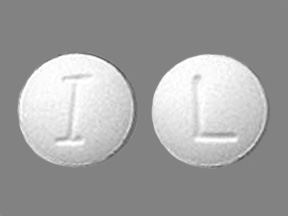
Lorazepam (trademarked as Ativan or Orfidal) is a high-potency, intermediate-duration, 3-hydroxy benzodiazepine drug, often used to treat anxiety disorders. Lorazepam has all six intrinsic benzodiazepine effects: anxiolysis, anterograde amnesia, sedation/hypnosis, anti-seizure, antiemesis (anti-nausea/vomiting) and muscle relaxation. Lorazepam is used for the short-term treatment of anxiety, insomnia, acute seizures including status epilepticus, and sedation of hospitalized patients, as well as sedation of aggressive patients. Lorazepam is also the most common benzodiazepine used to decrease the likelihood of agitation and seizures in patients who have overdosed on stimulant drugs.
Adverse effects
Any of the five intrinsic benzodiazepine effects possessed by lorazepam (sedative/hypnotic, muscle relaxant, anxiolytic, amnesic, and anticonvulsant) may be considered as adverse or side effects if unwanted. Adverse effects can include sedation and hypotension; the effects of lorazepam are increased in combination with other CNS depressant drugs. Other adverse effects include confusion, ataxia, anterograde amnesia and hangover effects. With long-term use of benzodiazepines, it is unclear whether cognitive impairments fully return to normal after cessation of therapy; cognitive deficits persist for at least six months after withdrawal, but longer than six months may be required for recovery of cognitive function. Lorazepam appears to have more profound adverse effects on memory than other benzodiazepines; it impairs both explicit and implicit memory
Contraindications
Allergy or hypersensitivity – Past hypersensitivity or allergy to lorazepam, to any benzodiazepine, or to any of the ingredients in lorazepam tablets or injections
Severe respiratory failure – Benzodiazepines, including lorazepam, may depress central nervous system respiratory drive and are contraindicated in severe respiratory failure. An example would be the inappropriate use to relieve anxiety associated with acute severe asthma. The anxiolytic effects may also be detrimental to a patient's willingness and ability to fight for breath. However, if mechanical ventilation becomes necessary, lorazepam may be used to facilitate deep sedation.
Acute intoxication – Lorazepam may interact synergistically with the effects of alcohol, narcotics, or other psychoactive substances. It should, therefore, not be administered to a drunk or intoxicated person.
Ataxia – This is a neurological clinical sign, consisting of unsteady and clumsy motion of the limbs and torso, due to failure of gross muscle movement coordination, most evident on standing and walking. It is the classic way in which acute alcohol intoxication may affect a person. Benzodiazepines should not be administered to already-ataxic patients.
Pharmacology
Lorazepam has anxiolytic, sedative, hypnotic, amnesic, anticonvulsant, and muscle relaxant properties.It is a high-potency and an intermediate-acting benzodiazepine, and its uniqueness,advantages, and disadvantages are largely explained by its pharmacokinetic properties (poor water and lipid solubility, high protein binding and anoxidative metabolism to a pharmacologically inactive glucuronide form) and by its high relative potency (lorazepam 1–2 mg is equal in effect to diazepam 10 to 20 mg). The half-life of lorazepam is 10–20 hours.
Pharmacokinetics
Lorazepam is highly protein bound and is extensively metabolised into pharmacologically inactive metabolites.Due to its poor lipid solubility, lorazepam is absorbed relatively slowly by mouth and is unsuitable for rectal administration. However, its poor lipid solubility and high degree of protein binding (85-90%) mean its volume of distribution is mainly the vascular compartment, causing relatively prolonged peak effects. This contrasts with the highly lipid-soluble diazepam, which, although rapidly absorbed orally or rectally, soon redistributes from the serum to other parts of the body, in particular body fat. This explains why one lorazepam dose, despite its shorter serum half-life, has more prolonged peak effects than an equivalent diazepam dose
Pharmacodynamics
Relative to other benzodiazepines, lorazepam is thought to have high affinity for GABA receptors, which may also explain its marked amnesic effects. Its main pharmacological effects are the enhancement of the effects of GABA at the GABAA receptor. Benzodiazepines, such as lorazepam, enhance the effects of GABA at the GABAA receptor via increasing the frequency of opening of the chloride ion channel on the GABAA receptors; which results in the therapeutic actions of benzodiazepines. They, however, do not on their own enhance the GABAA receptors, but require the neurotransmitter GABA to be present. Thus, the effect of benzodiazepines is to enhance the effects of the neurotransmitter GABA
Pre-existing depression may emerge or worsen during use of benzodiazepines including lorazepam. Ativan (lorazepam) is not recommended for use in patients with a primary depressive disorder or psychosis.
Use of benzodiazepines, including lorazepam, both used alone and in combination with other CNS depressants, may lead to potentially fatal respiratory depression.
Use of benzodiazepines, including lorazepam, may lead to physical and psychological dependence.
As with all patients on CNS-depressant drugs, patients receiving lorazepam should be warned not to operate dangerous machinery or motor vehicles and that their tolerance for alcohol and other CNS depressants will be diminished.
This medication is used to treat anxiety. Lorazepam belongs to a class of drugs known as benzodiazepines which act on the brain and nerves (central nervous system) to produce a calming effect. This drug works by enhancing the effects of a certain natural chemical in the body (GABA).
OTHER USES: This section contains uses of this drug that are not listed in the approved professional labeling for the drug but that may be prescribed by your health care professional. Use this drug for a condition that is listed in this section only if it has been so prescribed by your health care professional.
If directed by your doctor, this drug may also be used to reduce the symptoms of alcohol withdrawal, to prevent nausea and vomiting due to chemotherapy, and for trouble sleeping (insomnia).
How to use Ativan
Take this medication by mouth with or without food as directed by your doctor. The dosage is based on your medical condition, age, and response to treatment.
If directed by your doctor, use this medication regularly in order to get the most benefit from it. To help you remember, use it at the same time(s) each day.
This medication may cause withdrawal reactions, especially if it has been used regularly for a long time or in high doses (more than 1-4 weeks) or if you have a history of alcoholism, drug abuse, or personality disorder. Withdrawal symptoms (such as seizures, trouble sleeping, mental/mood changes, nausea, vomiting, diarrhea, loss of appetite, stomach pain, hallucinations, numbness/tingling of arms and legs, muscle pain, fast heartbeat, short-term memory loss, very high fever, and increased reactions to noise/touch/light) may occur if you suddenly stop using this medication. To prevent withdrawal reactions, your doctor may reduce your dose gradually. Report any withdrawal reactions immediately.
Along with its benefits, this medication may rarely cause abnormal drug-seeking behavior (addiction). This risk may be increased if you have abused alcohol or drugs in the past. Take this medication exactly as prescribed to lessen the risk of addiction.
Do not suddenly stop using this drug without consulting your doctor. Some conditions may become worse when this drug is abruptly stopped. Your dose may need to be gradually decreased.
When this medication is used for a long time, it may not work as well. Talk with your doctor if this medication stops working well.
Tell your doctor if your condition persists or worsens.
Drowsiness, dizziness, loss of coordination, headache, nausea, blurred vision, change in sexual interest/ability, constipation, heartburn, or change in appetite may occur. If any of these effects persist or worsen, tell your doctor or pharmacist promptly.
Remember that your doctor has prescribed this medication because he or she has judged that the benefit to you is greater than the risk of side effects. Many people using this medication do not have serious side effects.
Tell your doctor right away if you have any unlikely but serious side effects, including: mental/mood changes (such as hallucinations, depression, thoughts of suicide), slurred speech or difficulty talking, vision changes, unusual weakness, trouble walking, memory problems, signs of infection (such as fever, persistent sore throat), trouble breathing (especially during sleep).
Get medical help right away if you have any rare but very serious side effects, including: yellowing eyes or skin, seizures.
A very serious allergic reaction to this drug is rare. However, get medical help right away if you notice any symptoms of a serious allergic reaction, including: rash, itching/swelling (especially of the face/tongue/throat), severe dizziness, trouble breathing.
This is not a complete list of possible side effects. If you notice other effects not listed above, contact your doctor or pharmacist.
Before taking lorazepam, tell your doctor or pharmacist if you are allergic to it; or to other benzodiazepines (such as alprazolam, clonazepam, diazepam); or if you have any other allergies. This product may contain inactive ingredients, which can cause allergic reactions or other problems. Talk to your pharmacist for more details.
Before using this medication, tell your doctor or pharmacist your medical history, especially of: kidney disease, liver disease, glaucoma, lung/breathing problems (such as sleep apnea), mental/mood disorders (such as depression, psychosis), drug/alcohol abuse.
This drug may make you dizzy or drowsy or cause blurred vision. Do not drive, use machinery, or do any activity that requires alertness or clear vision until you are sure you can perform such activities safely. Avoid alcoholic beverages.
Before having surgery, tell your doctor or dentist about all the products you use (including prescription drugs, nonprescription drugs, and herbal products).
Older adults may be more sensitive to the side effects of this drug, especially loss of coordination and drowsiness. Also, the elderly may not experience relief of anxiety with lorazepam. It may have the opposite effect on the elderly, causing symptoms including mental/mood changes, sleeping problems, increase in sexual interest, or hallucinations. Loss of coordination, drowsiness, and sleeping problems may increase the risk of falling.
Children may not experience relief of anxiety with lorazepam. It may have the opposite effect on children, causing symptoms including agitation, shaking, or hallucinations.
This medication is not recommended for use during pregnancy. It may harm an unborn baby. Tell the doctor right away if you notice symptoms in your newborn baby such as slowed breathing, feeding problems, or constant crying. Consult your doctor for more details.
This drug passes into breast milk. Consult your doctor before breast-feeding.
Drug interactions may change how your medications work or increase your risk for serious side effects. This document does not contain all possible drug interactions. Keep a list of all the products you use (including prescription/nonprescription drugs and herbal products) and share it with your doctor and pharmacist. Do not start, stop, or change the dosage of any medicines without your doctor's approval.
Some products that may interact with this drug include: clozapine, kava, sodium oxybate (also known as gamma hydroxybutyrate or GHB).
Tell your doctor or pharmacist if you are taking other products that cause drowsiness including certain antihistamines (such as diphenhydramine), other medicines for sleep or anxiety (such as diazepam, zolpidem), muscle relaxants, narcotic pain relievers (such as codeine), psychiatric medicines (such as chlorpromazine, risperidone, amitriptyline, trazodone).
Check the labels on all your medicines (such as allergy or cough-and-cold products) because they may contain ingredients that cause drowsiness. Ask your pharmacist about using those products safely.
If overdose is suspected, contact a poison control center or emergency room immediately. Symptoms of overdose may include confusion, slow reflexes, clumsiness, deep sleep, and loss of consciousness.
Notes
Lifestyle changes such as starting a stress reduction program may increase the effectiveness of this medication. Talk to your doctor or pharmacist about lifestyle changes that might benefit you.
Do not share this medication with others. It is against the law.
Laboratory and/or medical tests (such as blood counts, liver function tests) should be performed periodically to monitor your progress or check for side effects. Consult your doctor for more details.
Missed Dose
If you miss a dose and are taking more than 1 dose daily, do not take it if it is almost time for the next dose. Instead, skip the missed dose and resume your usual dosing schedule. Do not double the dose to catch up. If you take it once daily at bedtime and miss a dose, do not take it the following morning. Call your doctor to find out what to do.
Storage
Store at room temperature away from light and moisture. Do not store in the bathroom. Keep all medications away from children and pets.
Do not flush medications down the toilet or pour them into a drain unless instructed to do so. Properly discard this product when it is expired or no longer needed. Consult your pharmacist or local waste disposal company.


