




 Home

- Allergies
- Acid Reflux
- ADHD
- Anxiety Disorders
- Arthritis
- Asthma
- Back Pain
- Bipolar Disorder
- Cancer
- Cholesterol
- Cold, Flu, & Cough
- COPD
- Depression
- Diabetes
- Eye Health
- Fibromyalgia
- Heart Disease
- Heartburn/GERD
- Hypertension
- Incontinence/OAB
- Migraines
- Osteoporosis
- Rheumatoid Arthritis
- Sexual Conditions
- Sleep Disorders
- Celebrity Secrets
- Skin Problems
- Multiple Sclerosis
- X-Rays
- Yellow Fever
- Yoga
- Women's Health
- Vitamins
- Weight Loss
- Wisdom Teeth
- Ultrasounds
- Transplant
- Skin Cancer
- Pain Management
- Palliative Care
- Pneumonia
- Obesity
- Mental Health
- Liver Cancer
- Lung Disease
- Labor and Delivery
- Knee Replacement Surgery
- Kidney Stones
- Jaundice
- Integrative Medicine
- Infections
- Interventional Pulmonology
- Headaches
- High blood preasure
- HIV/AIDS
- Fever
- Gestational Diabetes
- Gas
- Food Poisoning
- Oral Care
- Dengue Fever
- Ear Infections
- Diarrhea
- Dry Skin
- Cholera
- Children's Health
- Chickenpox
- Brain Diseases
- Lower Back pain
- Bone Tumors
- Anemia
- Avoidant Personality Disorder
- Aging
- Alcohol Interaction With Medication
- Burns
- Cataracts
- Chlamydia
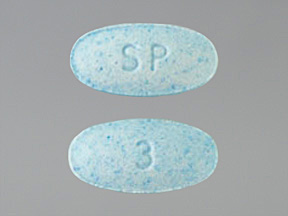
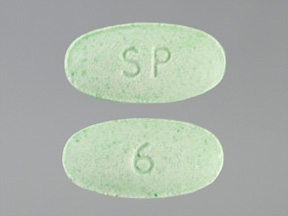
Doxepin (brand names of oral formulations include Deptran, Sinequan. Whereas brand names of topical (cream) formulations include Prudoxin) is a tricyclic antidepressant that is marketed worldwide, including Australia, Canada, New Zealand, South Africa, the United Kingdom and the United States of America.
Pregnancy and lactation
Its use in pregnant and lactating women is advised against although the available preclinical (based on animal studies) evidence suggests that it is unlikely to cause any deleterious effects on foetal development.The lack evidence from human studies, however, means that it is currently impossible rule out any risk to the foetus and it is known to cross the placenta.It is known that doxepin is secreted in breast milk and neonatal cases of respiratory depression in association with maternal doxepin usage have been reported.
Contraindications
Known contraindications include:
Hypersensitivities to other tricyclic antidepressants, doxepin or any of the excipients inside the product used
Glaucoma
A predisposition to developing urinary retention such prostatic hypertrophy
Poor metabolisers, that is those with a reduced biochemical activity of their CYP2D6 enzyme.
Hyperthyroidism may increase the potential for adverse effects such as hypertension and tachycardia.
Respiratory impairments
Brain tumours
Adverse effects
Central nervous system: fatigue, dizziness, drowsiness, lightheadedness, confusion, nightmares, agitation, increased anxiety, insomnia, seizures (infrequently), delirium, rarely induction of hypomania and schizophrenia (stop medication immediately), extrapyramidal side-effects (rarely), abuse in patients with polytoxikomania (rarely), tinnitus[citation needed]
Anticholinergic: dry mouth, constipation, even ileus (rarely), difficulties in urinating, sweating, precepitation of glaucoma[citation needed]
Antiadrenergic: hypotension, postural collapse (if patient arises too fast from lying/sitting position to standing), arrhythmias (sinus-tachycardia, bradycardia, av-blockade
Pharmacology
Doxepin inhibits the reuptake of serotonin and norepinephrine and acts as a antagonist at various serotonergic, adrenergic, musacrinic, dopaminergic and histaminergic receptors.
Antidepressant medications are used to treat a variety of conditions, including depression and other mental/mood disorders. These medications can help prevent suicidal thoughts/attempts and provide other important benefits. However, studies have shown that a small number of people (especially people younger than 25) who take antidepressants for any condition may experience worsening depression, other mental/mood symptoms, or suicidal thoughts/attempts. Therefore, it is very important to talk with the doctor about the risks and benefits of antidepressant medication (especially for people younger than 25), even if treatment is not for a mental/mood condition. Tell the doctor immediately if you notice worsening depression/other psychiatric conditions, unusual behavior changes (including possible suicidal thoughts/attempts), or other mental/mood changes (including new/worsening anxiety, panic attacks, trouble sleeping, irritability, hostile/angry feelings, impulsive actions, severe restlessness, very rapid speech). Be especially watchful for these symptoms when a new antidepressant is started or when the dose is changed.
This medication is used to treat mental/mood problems such as depression and anxiety. It may help improve mood and feelings of well-being, relieve anxiety and tension, help you sleep better, and increase your energy level. This medication belongs to a class of medications called tricyclic antidepressants. It works by affecting the balance of certain natural chemicals (neurotransmitters) in the brain.
How to use doxepin
Read the Medication Guide provided by your pharmacist before you start taking doxepin and each time you get a refill. If you have any questions, consult your doctor or pharmacist.
Take this medication by mouth, usually 1 to 3 times daily or as directed by your doctor. If you take it only once a day, take it at bedtime to reduce daytime sleepiness. The dosage is based on your medical condition and response to treatment.
To reduce your risk of side effects (such as drowsiness, dry mouth, dizziness), your doctor may direct you to start this medication at a low dose and gradually increase your dose. Follow your doctor's instructions carefully.
Use the dropper that comes with the medication to measure out the prescribed amount. Just before taking, mix the drug with half a glass (4 ounces or 120 milliliters) of water or milk, or orange, grapefruit, tomato, prune or pineapple juice, and drink all of the mixture. Do not mix with soda or other carbonated beverages. If you are taking this medication in combination with liquid methadone, you may mix both drugs with lemonade, orange juice, sugar water, orange drink mix, or plain water, but not grape juice. Mix only what you need for each dose. Do not prepare a supply for future use.
Take this medication regularly in order to get the most benefit from it. To help you remember, take it at the same time(s) each day. Do not increase your dose or use this drug more often or for longer than prescribed. Your condition will not improve any faster, and your risk of side effects will increase.
It is important to continue taking this medication even if you feel well. Do not stop taking this medication without consulting your doctor. Some conditions may become worse when this drug is suddenly stopped. Also, you may experience symptoms such as mood swings, headache, and tiredness. To prevent these symptoms while you are stopping treatment with this drug, your doctor may reduce your dose gradually. Consult your doctor or pharmacist for more details. Report any new or worsening symptoms immediately.
This medication may not work right away. You may see some benefit within a week. However, it may take up to 3 weeks before you feel the full effect.
Tell your doctor if your condition persists or worsens (such as your feelings of sadness get worse, or you have thoughts of suicide).
Drowsiness, dizziness, dry mouth, blurred vision, constipation, or trouble urinating may occur. If any of these effects persist or worsen, notify your doctor or pharmacist promptly.
To reduce the risk of dizziness and lightheadedness, get up slowly when rising from a sitting or lying position.
To relieve dry mouth, suck on (sugarless) hard candy or ice chips, chew (sugarless) gum, drink water, or use a saliva substitute.
To prevent constipation, maintain a diet adequate in fiber, drink plenty of water, and exercise. If you become constipated while using this drug, consult your pharmacist for help in selecting a laxative.
Remember that your doctor has prescribed this medication because he or she has judged that the benefit to you is greater than the risk of side effects. Many people using this medication do not have serious side effects.
Tell your doctor immediately if any of these rare but serious side effects occur: persistent heartburn, mental/mood changes (such as anxiety, agitation, confusion), shaking, severe stomach/abdominal pain.
Seek immediate medical attention if any of these rare but very serious side effects occur: severe dizziness, fast/irregular heartbeat, fainting, seizures.
A very serious allergic reaction to this drug is rare. However, seek immediate medical attention if you notice any symptoms of a serious allergic reaction, including: rash, itching/swelling (especially of the face/tongue/throat), severe dizziness, trouble breathing.
This is not a complete list of possible side effects. If you notice other effects not listed above, contact your doctor or pharmacist.
Before taking doxepin, tell your doctor or pharmacist if you are allergic to it; or to other tricyclic antidepressants (such as nortriptyline); or if you have any other allergies. This product may contain inactive ingredients, which can cause allergic reactions or other problems. Talk to your pharmacist for more details.
Before using this medication, tell your doctor or pharmacist your medical history, especially of: bleeding problems, breathing problems, liver problems, recent heart attack, problems urinating (such as due to enlarged prostate), overactive thyroid (hyperthyroidism), a certain eye problem (glaucoma), personal or family history of mental/mood conditions (such as bipolar disorder, psychosis), family history of suicide, seizures, conditions that may increase your risk of seizures (such as other brain disease, alcohol/sedative withdrawal).
Doxepin may cause a condition that affects the heart rhythm (QT prolongation). QT prolongation can infrequently result in serious (rarely fatal) fast/irregular heartbeat and other symptoms (such as severe dizziness, fainting) that need medical attention right away.
The risk of QT prolongation may be increased if you have certain medical conditions or are taking other drugs that may cause QT prolongation. Before using doxepin, tell your doctor or pharmacist of all the drugs you take and if you have any of the following conditions: certain heart problems (heart failure, slow heartbeat, QT prolongation in the EKG), family history of certain heart problems (QT prolongation in the EKG, sudden cardiac death).
Low levels of potassium or magnesium in the blood may also increase your risk of QT prolongation. This risk may increase if you use certain drugs (such as diuretics/"water pills") or if you have conditions such as severe sweating, diarrhea, or vomiting. Talk to your doctor about using doxepin safely.
This drug may make you drowsy or dizzy or cause blurred vision. Do not drive, use machinery, or do any activity that requires alertness or clear vision until you are sure you can perform such activities safely. Limit alcoholic beverages.
Before having surgery, tell your doctor or dentist about all the products you use (including prescription drugs, nonprescription drugs, and herbal products).
This medication may make you more sensitive to the sun. Avoid prolonged sun exposure, tanning booths, and sunlamps. Use a sunscreen and wear protective clothing when outdoors.
If you have diabetes, this drug may make it harder to control your blood sugar levels. Monitor your blood sugar levels regularly and tell your doctor of the results. Your doctor may need to adjust your diabetes medication, exercise program, or diet.
Older adults may be more sensitive to the side effects of this drug, especially dry mouth, dizziness, drowsiness, confusion, difficulty urinating and QT prolongation (see above).
During pregnancy, this medication should be used only when clearly needed. Since untreated depression can be a serious condition, do not stop using this medication unless directed by your doctor. If you are planning pregnancy, become pregnant, or think you may be pregnant, immediately discuss with your doctor the benefits and risks of using this medication during pregnancy.
This medication passes into breast milk and may have undesirable effects on a nursing infant. Breast-feeding while using this drug is not recommended. Consult your doctor before breast-feeding.
It should not be used within fourteen days of using a monoamine oxidase inhibitor such as phenelzine due to the potential for serotonin syndrome to develop. Its use in those on CYP2D6 inhibitors such as fluoxetine or quinidine is recommended against due to the potential for its accumulation in the absence of full CYP2D6 catalytic activity. Hepatic enzyme inducers such as carbamazepine, phenytoin and barbiturates are advised against in patients receiving TCAs like doxepin due to the potential for problematically rapid metabolism of doxepin to occur in these individuals.Sympathomimietic agents may have their effects potentiated by TCAs like doxepin. Doxepin also may potentiate the adverse effects of anticholinergic agents such as benztropine, atropine and hyoscine (scopolamine).Tolazamide, when used in conjunction with doxepin has been associated with a case of severe hypoglycaemia in a type II diabetic individual. Cimetidine may influence the absorption of doxepin. Alcohol may potentiate some of the CNS depressant effects of doxepin. Antihypertensive agents may have their effects mitigated by doxepin. Cotreatment with CNS depressants such as the benzodiazepines can cause additive CNS depression. Cotreatment with thyroid hormones may also increase the potential for adverse reactions.
Overdose
Like other TCAs doxepin is highly toxic in cases of overdose. Mild symptoms include: drowsiness, stupor, blurred vision, excessive dryness of mouth. More serious adverse effects include: respiratory depression, hypotension, coma, convulsions, cardiac arrhythmias and tachycardias. Urinary retention, decreased gastrointestinal motility (paralytic ileus), hyperthermia (or hypothermia), hypertension, dilated pupils and hyperactive reflexes are other possible symptoms of doxepin overdose. Management of doxepin overdose is mostly supportive and symptomatic and can include the administration of a gastric lavage so as to reduce absorption of the doxepin. Supportive measures to prevent respiratory aspiration is also advisable. Anti-arrhythmic agents may an appropriate measure to treat cardiac arrhythmias resulting from doxepin overdose. Slow intravenous administration of physostigmine may reverse some of the toxic effects of TCA overdose such as anticholinergic effects. Haemodialysis is not recommended due to the high degree of protein binding with doxepin. ECG monitoring is recommended for several days after doxepin overdose due to the potential for cardiac conduction abnormalities.


