




 Home

- Allergies
- Acid Reflux
- ADHD
- Anxiety Disorders
- Arthritis
- Asthma
- Back Pain
- Bipolar Disorder
- Cancer
- Cholesterol
- Cold, Flu, & Cough
- COPD
- Depression
- Diabetes
- Eye Health
- Fibromyalgia
- Heart Disease
- Heartburn/GERD
- Hypertension
- Incontinence/OAB
- Migraines
- Osteoporosis
- Rheumatoid Arthritis
- Sexual Conditions
- Sleep Disorders
- Celebrity Secrets
- Skin Problems
- Multiple Sclerosis
- X-Rays
- Yellow Fever
- Yoga
- Women's Health
- Vitamins
- Weight Loss
- Wisdom Teeth
- Ultrasounds
- Transplant
- Skin Cancer
- Pain Management
- Palliative Care
- Pneumonia
- Obesity
- Mental Health
- Liver Cancer
- Lung Disease
- Labor and Delivery
- Knee Replacement Surgery
- Kidney Stones
- Jaundice
- Integrative Medicine
- Infections
- Interventional Pulmonology
- Headaches
- High blood preasure
- HIV/AIDS
- Fever
- Gestational Diabetes
- Gas
- Food Poisoning
- Oral Care
- Dengue Fever
- Ear Infections
- Diarrhea
- Dry Skin
- Cholera
- Children's Health
- Chickenpox
- Brain Diseases
- Lower Back pain
- Bone Tumors
- Anemia
- Avoidant Personality Disorder
- Aging
- Alcohol Interaction With Medication
- Burns
- Cataracts
- Chlamydia
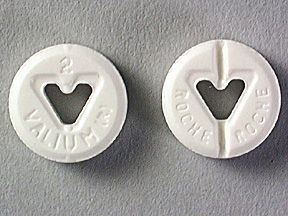
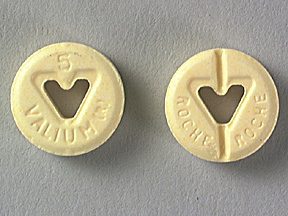
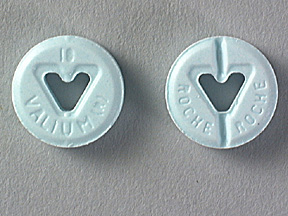
Diazepam
It is commonly used to treat anxiety, panic attacks, insomnia, seizures (including status epilepticus), muscle spasms (such as in tetanus cases), restless legs syndrome, alcohol withdrawal, benzodiazepine withdrawal, opiate withdrawal syndrome and Meniere's disease. It may also be used before certain medical procedures (such as endoscopies) to reduce tension and anxiety, and in some surgical procedures to induce amnesia (it may be used to hasten the onset of IV anesthesia while reducing dose requirements or as the sole agent when IV anesthesia is not available or is contraindicated).
It possesses anxiolytic, anticonvulsant, hypnotic, sedative, skeletal muscle relaxant, and amnestic properties. The pharmacological action of diazepam enhances the effect of the neurotransmitter GABA by binding to the benzodiazepine site on the GABAA receptor (via the constituent chlorine atom) leading to central nervous system depression.
Adverse effects
Adverse effects of benzodiazepines such as diazepam include anterograde amnesia and confusion (especially pronounced in higher doses) and sedation. The elderly are more prone to adverse effects of diazepam, such as confusion, amnesia, ataxia and hangover effects, as well as falls. Long-term use of benzodiazepines such as diazepam is associated with tolerance, benzodiazepine dependence and benzodiazepine withdrawal syndrome. Like other benzodiazepines, diazepam can impair short-term memory and learning of new information. While benzodiazepine drugs such as diazepam can cause anterograde amnesia, they do not cause retrograde amnesia; information learned before using benzodiazepines is not impaired. Tolerance to the cognitive-impairing effects of benzodiazepines does not tend to develop with long-term use, and the elderly are more sensitive to them. Additionally after cessation of benzodiazepines cognitive deficits may persist for at least six months; it is unclear whether these impairments take longer than six months to abate or if they are permanent. Benzodiazepines may also cause or worsen depression.
Pharmacology
Diazepam is a long-acting "classical" benzodiazepine. Other classical benzodiazepines include chlordiazepoxide, clonazepam, lorazepam, oxazepam, nitrazepam, temazepam, flurazepam, bromazepam, and clorazepate. Diazepam has anticonvulsant properties. Diazepam has no effect on GABA levels and no effect on glutamate decarboxylase activity, but has a slight effect on gamma-aminobutyric acid transaminase activity. It differs from some other anticonvulsive drugs with which it was compared.
Detection in body fluids
Diazepam may be quantitated in blood or plasma to confirm a diagnosis of poisoning in hospitalized patients, provide evidence in an impaired driving arrest or to assist in a medicolegal death investigation. Blood or plasma diazepam concentrations are usually in a range of 0.1–1.0 mg/L in persons receiving the drug therapeutically, 1–5 mg/L in those arrested for impaired driving and 2–20 mg/L in victims of acute overdosage. Most commercial immunoassays for the benzodiazepine class of drugs cross-react with diazepam, but confirmation and quantitation is usually performed using chromatographic techniques.
History
Diazepam was the second benzodiazepine invented by Dr. Leo Sternbach of Hoffmann-La Roche at the company's Nutley, New Jersey, facility following chlordiazepoxide (Librium), which was approved for use in 1960. Released in 1963 as an improved version of Librium, diazepam became incredibly popular, helping Roche to become a pharmaceutical industry giant. It is 2.5 times more potent than its predecessor, which it quickly surpassed in terms of sales. After this initial success, other pharmaceutical companies began to introduce other benzodiazepine derivatives.
Valium is not recommended in the treatment of psychotic patients and should not be employed instead of appropriate treatment.
Since Valium has a central nervous system depressant effect, patients should be advised against the simultaneous ingestion of alcohol and other CNS-depressant drugs during Valium therapy.
As with other agents that have anticonvulsant activity, when Valium is used as an adjunct in treating convulsive disorders, the possibility of an increase in the frequency and/or severity of grand mal seizures may require an increase in the dosage of standard anticonvulsant medication. Abrupt withdrawal of Valium in such cases may also be associated with a temporary increase in the frequency and/or severity of seizures.
Diazepam is used to treat anxiety, acute alcohol withdrawal, and seizures. It is also used to relieve muscle spasms and to provide sedation before medical procedures. This medication belongs to a class of drugs called benzodiazepines which act on the brain and nerves (central nervous system) to produce a calming effect. It works by enhancing the effects of a certain natural chemical in the body (GABA).
OTHER USES: This section contains uses of this drug that are not listed in the approved professional labeling for the drug but that may be prescribed by your health care professional. Use this drug for a condition that is listed in this section only if it has been so prescribed by your health care professional.
This medication may also be used to prevent extremely bad nightmares (night terrors).
How to use diazepam
Take this medication by mouth as directed by your doctor. The dosage is based on your medical condition, age, and response to therapy. If you are taking a liquid form of this medication, use a medication measuring device to carefully measure out the prescribed dose. Do not use a household spoon because you may not get the correct dose. If you are using the oral concentrate solution, use the dropper provided to carefully measure out the dose and mix it in liquid or soft food (e.g., applesauce, pudding) just before taking.
Use this medication exactly as prescribed. Do not increase your dose, take it more frequently or use it for a longer period of time than prescribed because this drug can be habit-forming. Also, if used for an extended period of time or for seizure control, do not suddenly stop using this drug without your doctor's approval. Some conditions may become worse when the drug is abruptly stopped. Your dose may need to be gradually decreased.
When used for an extended period, this medication may not work as well and may require different dosing. Talk with your doctor if this medication stops working well.
Avoid eating grapefruit or drinking grapefruit juice while being treated with this medication unless your doctor instructs you otherwise. Grapefruit juice can increase the amount of certain medications in your bloodstream. Consult your doctor or pharmacist for more details.
Inform your doctor if your condition persists or worsens.
Drowsiness, dizziness, fatigue, constipation, blurred vision, or headache may occur. If any of these effects persist or worsen, notify your doctor or pharmacist promptly.
Remember that your doctor has prescribed this medication because he or she has judged that the benefit to you is greater than the risk of side effects. Many people using this medication do not have serious side effects.
Tell your doctor immediately if any of these unlikely but serious side effects occur: mental/mood changes (e.g., memory problems, agitation, hallucinations), slurred speech, clumsiness, trouble walking, decreased/increased interest in sex, tremor, trouble urinating, sleep disturbances.
Tell your doctor immediately if any of these highly unlikely but very serious side effects occur: stomach/abdominal pain, persistent nausea, vomiting, yellowing eyes or skin, dark urine, persistent sore throat or fever.
A serious allergic reaction to this drug is unlikely, but seek immediate medical attention if it occurs. Symptoms of a serious allergic reaction include: rash, itching/swelling (especially of the face/tongue/throat), severe dizziness, trouble breathing.
This is not a complete list of possible side effects. If you notice other effects not listed above, contact your doctor or pharmacist.
Before taking diazepam, tell your doctor or pharmacist if you are allergic to it; or to other benzodiazepines (e.g., alprazolam, lorazepam); or if you have any other allergies. This product may contain inactive ingredients, which can cause allergic reactions or other problems. Talk to your pharmacist for more details.
This medication should not be used if you have certain medical conditions. Before using this medicine, consult your doctor or pharmacist if you have: glaucoma (narrow-angle), a certain muscle disease (myasthenia gravis), breathing trouble during sleep (sleep apnea).
Before using this medication, tell your doctor or pharmacist your medical history, especially of: liver disease, kidney disease, lung/breathing problems (e.g., COPD), drug or alcohol abuse, glaucoma (open-angle).
This drug may make you dizzy or drowsy or cause blurred vision. Do not drive, use machinery, or do any activity that requires alertness or clear vision until you are sure you can perform such activities safely. Avoid alcoholic beverages.
Some liquid products may contain alcohol. Ask your doctor or pharmacist about using this product safely.
Caution is advised when using this drug in children because it may affect children differently, causing restlessness or mental/mood changes (e.g., agitation, hallucinations) instead of calm.
Older adults may be more sensitive to the side effects of this drug, especially drowsiness and loss of coordination. These side effects can increase the risk of falling. This medication may also affect the elderly differently, causing restlessness or mental/mood changes (such as agitation, hallucinations) instead of calm.
This medication is not recommended for use during pregnancy due to the potential for harm to an unborn baby. If you become pregnant or think you may be pregnant, inform your doctor immediately. Consult your doctor for more details.
This drug passes into breast milk and may have undesirable effects on a nursing infant. Therefore, breast-feeding while using this medication is not recommended. Consult your doctor before breast-feeding.
Drug interactions may change how your medications work or increase your risk for
serious side effects. This document does not contain all possible drug interactions. Keep a list of all the products you use (including prescription/nonprescription drugs and herbal products) and share it with your doctor and pharmacist. Do not start, stop, or change the dosage of any medicines without your doctor's approval.
Some products that may interact with this drug include: certain anti-depressants (e.g., fluoxetine, fluvoxamine, nefazodone), cimetidine, clozapine, digoxin, disulfiram, kava, ketoconazole, levodopa, omeprazole, phenytoin, sodium oxybate.
Tell your doctor or pharmacist if you also take drugs that cause drowsiness such as: antihistamines that cause drowsiness (e.g., diphenhydramine), anti-seizure drugs (e.g., carbamazepine), medicine for sleep (e.g., sedatives), muscle relaxants, narcotic pain relievers (e.g., codeine), psychiatric medicines (e.g., phenothiazines such as chlorpromazine, or tricyclics such as amitriptyline), tranquilizers.
Check the labels on all your medicines (e.g., cough-and-cold products) because they may contain drowsiness-causing ingredients. Ask your pharmacist about the safe use of those products.
This product can affect the results of certain lab tests. Make sure laboratory personnel and your doctors know you use this drug.
Smoking can decrease the effectiveness of this drug (through liver enzyme induction). Tell your doctor if you smoke or if you have recently stopped smoking because your dose may need to be adjusted.
If overdose is suspected, contact a poison control center or emergency room immediately. Symptoms of overdose may include: severe drowsiness, slowed/reduced reflexes, slowed breathing, fainting, loss of consciousness.
Notes
Do not share this medication with others. It is against the law.
If this drug is used for an extended period of time, laboratory and/or medical tests (e.g., liver function tests, complete blood count) may be performed periodically to check for side effects. Consult your doctor for more details.
Missed Dose
If you miss a dose, use it as soon as you remember. If it is near the time of the next dose, skip the missed dose and resume your usual dosing schedule. Do not double the dose to catch up. If you are taking this medication for seizures, take it if remembered within 1 hour of the missed dose, but skip it if more than 1 hour has passed.
Storage
Store at room temperature between 59 and 86 degrees F (15-30 degrees C) away from light and moisture. Do not store in the bathroom. Keep all medicines away from children and pets.
Do not flush medications down the toilet or pour them into a drain unless instructed to do so. Properly discard this product when it is expired or no longer needed. Consult your pharmacist or local waste disposal company for more details about how to safely discard your product.
Information last revised November 2013. Copyright(c) 2013 First Databank, Inc.


