




 Home

- Allergies
- Acid Reflux
- ADHD
- Anxiety Disorders
- Arthritis
- Asthma
- Back Pain
- Bipolar Disorder
- Cancer
- Cholesterol
- Cold, Flu, & Cough
- COPD
- Depression
- Diabetes
- Eye Health
- Fibromyalgia
- Heart Disease
- Heartburn/GERD
- Hypertension
- Incontinence/OAB
- Migraines
- Osteoporosis
- Rheumatoid Arthritis
- Sexual Conditions
- Sleep Disorders
- Celebrity Secrets
- Skin Problems
- Multiple Sclerosis
- X-Rays
- Yellow Fever
- Yoga
- Women's Health
- Vitamins
- Weight Loss
- Wisdom Teeth
- Ultrasounds
- Transplant
- Skin Cancer
- Pain Management
- Palliative Care
- Pneumonia
- Obesity
- Mental Health
- Liver Cancer
- Lung Disease
- Labor and Delivery
- Knee Replacement Surgery
- Kidney Stones
- Jaundice
- Integrative Medicine
- Infections
- Interventional Pulmonology
- Headaches
- High blood preasure
- HIV/AIDS
- Fever
- Gestational Diabetes
- Gas
- Food Poisoning
- Oral Care
- Dengue Fever
- Ear Infections
- Diarrhea
- Dry Skin
- Cholera
- Children's Health
- Chickenpox
- Brain Diseases
- Lower Back pain
- Bone Tumors
- Anemia
- Avoidant Personality Disorder
- Aging
- Alcohol Interaction With Medication
- Burns
- Cataracts
- Chlamydia
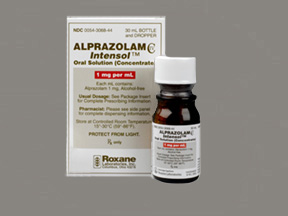
Alprazolam available under other generic names, is a short-acting anxiolytic of the benzodiazepine class of psychoactive drugs. Alprazolam, like other benzodiazepines, binds to specific sites on the GABAAreceptor. Alprazolam is commonly used and FDA approved for the medical treatment of panic disorder, and anxiety disorders, such as generalized anxiety disorder (GAD) or social anxiety disorder (SAD). Alprazolam is available for oral administration in compressed tablet (CT) and extended-release capsule (XR) formulations. Alprazolam possesses anxiolytic, sedative, hypnotic, skeletal muscle relaxant, anticonvulsant, and amnestic properties.
Alprazolam has a fast onset of action and symptomatic relief. Ninety percent of peak effects are achieved within the first hour of using either in preparation for panic disorder, and full peak effects are achieved in 1.5 and 1.6 hours respectively. Peak benefits achieved for generalized anxiety disorder (GAD) may take up to a week.
Anxiety disorders
Anxiety associated with depression is responsive to alprazolam. Demonstrations of the effectiveness by systematic clinical study are limited to 4 months duration for anxiety disorder. However, the research into antidepressant properties of alprazolam is of poor quality and only assessed the short-term effects of alprazolam against depression. In one study, some long term, high-dosage users of alprazolam developed reversible depression
Pregnancy and lactation
Benzodiazepines cross the placenta, enter into the fetus and are also excreted with breast milk. The use of benzodiazepines during pregnancy or lactation has potential risks. The use of alprazolam in pregnancy is believed to be associated with congenital abnormalities. Diazepam and chlordiazepoxide have a better safety profile in pregnancy than alprazolam.
Women who are pregnant or are planning on becoming pregnant should avoid starting alprazolam. Use in the last trimester may cause fetal drug dependence and withdrawal symptoms in the post-natal period as well as neonatal flaccidity and respiratory problems
Contraindications
Benzodiazepines require special precaution if used in children and in alcohol- or drug-dependent individuals. Particular care should be taken in pregnant or elderly patients, patients with substance abuse history, particularly alcohol dependence and patients with comorbid psychiatric disorders. Use of alprazolam should be avoided or carefully monitored by medical professionals in individuals with the following conditions: myasthenia gravis, acute narrow-angle glaucoma, severe liver deficiencies (e.g., cirrhosis), severe sleep apnea, pre-existing respiratory depression, marked neuromuscular respiratory weakness including unstable myasthenia gravis, acute pulmonary insufficiency, chronic psychosis, hypersensitivity or allergy to alprazolam or other drugs in the benzodiazepine class, borderline personality disorder (may induce suicidality and dyscontrol)
Food and drug interactions
Alprazolam is primarily metabolised via CYP3A4. Combining CYP3A4 inhibitors such as cimetidine, erythromycin, fluoxetine, fluvoxamine, itraconazole, ketoconazole, nefazodone, propoxyphene, and ritonavir delay the hepatic clearance of alprazolam, which may result in excessive accumulation of alprazolam.
Pharmacology
Alprazolam is classed as a high-potency benzodiazepine and is a triazolobenzodiazepine,namely a benzodiazepine with a triazole ring attached to its structure. Benzodiazepines produce a variety of therapeutic and adverse effects by binding to the benzodiazepine receptor site on the GABAA receptor and modulating the function of the GABA receptor, the most prolific inhibitory receptor within the brain.
Certain adverse clinical events, some life-threatening, are a direct consequence of physical dependence to XANAX. These include a spectrum of withdrawal symptoms; the most important is seizure (see Drug Abuse And Dependence). Even after relatively shortterm use at the doses recommended for the treatment of transient anxiety and anxiety disorder (ie, 0.75 to 4.0 mg per day), there is some risk of dependence. Spontaneous reporting system data suggest that the risk of dependence and its severity appear to be greater in patients treated with doses greater than 4 mg/day and for long periods (more than 12 weeks). However, in a controlled postmarketing discontinuation study of panic disorder patients, the duration of treatment (3 months compared to 6 months) had no effect on the ability of patients to taper to zero dose. In contrast, patients treated with doses of XANAX greater than 4 mg/day had more difficulty tapering to zero dose than those treated with less than 4 mg/day
Alprazolam is used to treat anxiety and panic disorders. It belongs to a class of medications called benzodiazepines which act on the brain and nerves (central nervous system) to produce a calming effect. It works by enhancing the effects of a certain natural chemical in the body (GABA).
How to use Xanax
Take this medication by mouth as directed by your doctor. Dosage is based on your medical condition, age, and response to treatment. Your dose may be gradually increased until the drug starts working well. Follow your doctor's instructions closely to reduce the risk of side effects.
This medication may cause withdrawal reactions, especially if it has been used regularly for a long time or in high doses. In such cases, withdrawal symptoms (such as seizures) may occur if you suddenly stop using this medication. To prevent withdrawal reactions, your doctor may reduce your dose gradually. Report any withdrawal reactions immediately.
Along with its benefits, this medication may rarely cause abnormal drug-seeking behavior (addiction). This risk may be increased if you have abused alcohol or drugs in the past. Take this medication exactly as prescribed to lessen the risk of addiction.
When this medication is used for a long time, it may not work as well. Talk with your doctor if this medication stops working well.
Tell your doctor if your condition persists or worsens.
Drowsiness, dizziness, increased saliva production, or change in sex drive/ability may occur. If any of these effects persist or worsen, tell your doctor or pharmacist promptly.
To minimize dizziness and lightheadedness, get up slowly when rising from a seated or lying position.
Remember that your doctor has prescribed this medication because he or she has judged that the benefit to you is greater than the risk of side effects. Many people using this medication do not have serious side effects.
Tell your doctor right away if any of these unlikely but serious side effects occur: mental/mood changes (such as hallucinations, thoughts of suicide), slurred speech or difficulty talking, loss of coordination, trouble walking, memory problems.
Get medical help right away if these rare but very serious side effects occur: yellowing eyes or skin, seizures.
A very serious allergic reaction to this drug is rare. However, get medical help right away if you notice any symptoms of a serious allergic reaction, including: rash, itching/swelling (especially of the face/tongue/throat), severe dizziness, trouble breathing.
This is not a complete list of possible side effects. If you notice other effects not listed above, contact your doctor or pharmacist.
Before taking alprazolam, tell your doctor or pharmacist if you are allergic to it; or to other benzodiazepines (such as diazepam, lorazepam); or if you have any other allergies. This product may contain inactive ingredients, which can cause allergic reactions or other problems. Talk to your pharmacist for more details.
Before using this medication, tell your doctor or pharmacist your medical history, especially of: severe lung/breathing problems (such as COPD, sleep apnea), liver disease, kidney disease, drug or alcohol abuse, glaucoma.
This drug may make you dizzy or drowsy. Do not drive, use machinery, or do any activity that requires alertness until you are sure you can perform such activities safely. Avoid alcoholic beverages.
Before having surgery, tell your doctor or dentist about all the products you use (including prescription drugs, nonprescription drugs, and herbal products).
Older adults may be more sensitive to the side effects of this drug, especially loss of coordination and drowsiness. These side effects can increase the risk of falling
Alprazolam is not recommended for use during pregnancy due to the potential for harm to an unborn baby. Consult your doctor for more details.
This drug passes into breast milk and may have undesirable effects on a nursing infant. Therefore, breast-feeding while using this drug is not recommended. Consult your doctor before breast-feeding.
Drug interactions may change how your medications work or increase your risk for serious side effects. This document does not contain all possible drug interactions. Keep a list of all the products you use (including prescription/nonprescription drugs and herbal products) and share it with your doctor and pharmacist. Do not start, stop, or change the dosage of any medicines without your doctor's approval.
Some products that may interact with this drug include: kava, sodium oxybate.
Other medications can affect the removal of alprazolam from your body, which may affect how alprazolam works. Examples include azole antifungals (such as itraconazole, ketoconazole), cimetidine, certain anti-depressants (such as fluoxetine, fluvoxamine, nefazodone), drugs to treat HIV (delavirdine, protease inhibitors such as indinavir), macrolide antibiotics (such as erythromycin), rifamycins (such as rifabutin), St. John's wort, drugs used to treat seizures (such as carbamazepine, phenytoin), among others.
Tell your doctor or pharmacist if you also take drugs that cause drowsiness such as: certain antihistamines (such as diphenhydramine), medicine for sleep or anxiety (such as diazepam, zolpidem), muscle relaxants, narcotic pain relievers (such as codeine), psychiatric medicines (such as chlorpromazine, risperidone, amitriptyline, trazodone).
Check the labels on all your medicines (such as cough-and-cold products) because they may contain ingredients which cause drowsiness. Ask your pharmacist about the safe use of those products.
Cigarette smoking decreases blood levels of this medication. Tell your doctor if you smoke or if you have recently stopped smoking.
If overdose is suspected, contact a poison control center or emergency room immediately. Symptoms of overdose may include: severe drowsiness, slowed/reduced reflexes, slowed breathing, loss of consciousness.
Notes
Do not share this medication with others. It is against the law.
Laboratory and/or medical tests (such as liver function tests) should be performed periodically to monitor your progress or check for side effects. Consult your doctor for more details.
Missed Dose
If you miss a dose, take it as soon as you remember. If it is near the time of the next dose, skip the missed dose and resume your usual dosing schedule. Do not double the dose to catch up.
Storage
Store at room temperature away from light and moisture. Do not store in the bathroom. Keep all medications away from children and pets.
Do not flush medications down the toilet or pour them into a drain unless instructed to do so. Properly discard this product when it is expired or no longer needed. Consult your pharmacist or local waste disposal company for more details.
Information last revised November 2013. Copyright(c) 2013 First Databank, Inc.


