




 Home

- Allergies
- Acid Reflux
- ADHD
- Anxiety Disorders
- Arthritis
- Asthma
- Back Pain
- Bipolar Disorder
- Cancer
- Cholesterol
- Cold, Flu, & Cough
- COPD
- Depression
- Diabetes
- Eye Health
- Fibromyalgia
- Heart Disease
- Heartburn/GERD
- Hypertension
- Incontinence/OAB
- Migraines
- Osteoporosis
- Rheumatoid Arthritis
- Sexual Conditions
- Sleep Disorders
- Celebrity Secrets
- Skin Problems
- Multiple Sclerosis
- X-Rays
- Yellow Fever
- Yoga
- Women's Health
- Vitamins
- Weight Loss
- Wisdom Teeth
- Ultrasounds
- Transplant
- Skin Cancer
- Pain Management
- Palliative Care
- Pneumonia
- Obesity
- Mental Health
- Liver Cancer
- Lung Disease
- Labor and Delivery
- Knee Replacement Surgery
- Kidney Stones
- Jaundice
- Integrative Medicine
- Infections
- Interventional Pulmonology
- Headaches
- High blood preasure
- HIV/AIDS
- Fever
- Gestational Diabetes
- Gas
- Food Poisoning
- Oral Care
- Dengue Fever
- Ear Infections
- Diarrhea
- Dry Skin
- Cholera
- Children's Health
- Chickenpox
- Brain Diseases
- Lower Back pain
- Bone Tumors
- Anemia
- Avoidant Personality Disorder
- Aging
- Alcohol Interaction With Medication
- Burns
- Cataracts
- Chlamydia
 injection-1.jpg)
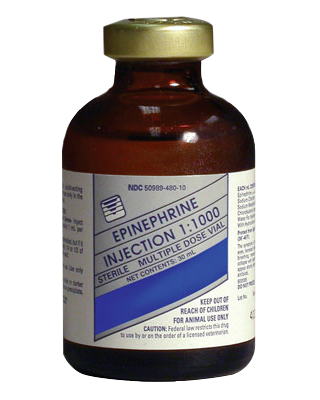
An epinephrine autoinjector is a medical device used to deliver a measured dose (or doses) of epinephrine (also known as adrenaline) using autoinjector technology, most frequently for the treatment of anaphylaxis.
Trade names for this device include EpiPen, Emerade, Twinject, Adrenaclick, Anapen, Jext, Allerject, and Auvi-Q. The EpiPen was originally derived from the ComboPen, a product developed for the military for treating exposure to nerve agents
Design
The devices contain a spring-loaded needle that exits the tip of the device (in some cases through a sterile membrane) and penetrates the recipient's skin, to deliver the medication via subcutaneous or intramuscular injection.
Epinephrine autoinjectors contain a pre-determined dose of epinephrine, usually between 300 μg and 500 μg of active ingredient at a concentration of 1:1000. They typically contain more medication than the amount needed for a single dose, but any extra amount is not intended for use and is inaccessible without destroying the device. Manufacturers have also made pediatric dosed versions available at 150 μg of active ingredient,and there is also a version which contains two individual doses (in case a repeated application is required) sold under the trade name Twinject
Effectiveness
None of these devices prevent future episodes of anaphylaxis. Patients who experience severe or life-threatening reactions may be treated further via allergen immunotherapy for long lived protection. A series of allergy injections composed of increasing concentrations of naturally occurring substances (such as venom) provide excellent and usually lifelong protections against adverse effects of future insect stings. The initial injections have a very low concentration, usually 1 ppb or less.
Common adverse reactions to systemically administered epinephrine include anxiety, apprehensiveness, restlessness, tremor, weakness, dizziness, sweating, palpitations, pallor, nausea and vomiting, headache, and respiratory difficulties. These symptoms occur in some persons receiving therapeutic doses of epinephrine, but are more likely to occur in patients with heart disease, hypertension, or hyperthyroidism.
Due to the lack of randomized, controlled clinical trials of epinephrine for the treatment of anaphylaxis, the true incidence of adverse reactions associated with the systemic use of epinephrine is difficult to determine. Adverse reactions reported in observational trials, case reports, and studies are listed below by body system:
Cardiovascular: angina, arrhythmias, hypertension, pallor, palpitations, tachyarrhythmia, tachycardia, vasoconstriction, and ventricular ectopy.
Usage
After activation the patient holds the device in place for between 5 and 10 seconds as the epinephrine is delivered. This gives the drug enough time to be absorbed by the body's muscles and diffused into the bloodstream.
Auto-injectors are sometimes used unnecessarily. Injection into a vein (intravenous injection) can be fatal. It can cause ventricular tachycardia, in which the heart beats uncontrollably and is not able to pump blood adequately. It can also restrict blood flow to the area of the injection site, and damage the extremities.After administering the device, patients are advised to seek immediate medical attention.
An emergency technique (not manufacturer-approved) to obtain additional epinephrine from a used autoinjector has been published in the medical literature.
Units that have exceeded their expiration date can still be used in an emergency if a valid unit is unavailable
Before using epinephrine a second time, call your doctor if your first injection caused a serious side effect such as increased breathing difficulty, or dangerously high blood pressure (severe headache, blurred vision, buzzing in your ears, anxiety, confusion, chest pain, shortness of breath, uneven heartbeats, seizure).
Less serious side effects may include:
sweating;
nausea and vomiting;
pale skin;
feeling short of breath;
dizziness;
weakness or tremors;
headache; or
feeling nervous or anxious.
Before using this medication, tell your doctor if you have heart disease or high blood pressure, a heart rhythm disorder, coronary artery disease, Parkinson's disease, diabetes, or a thyroid disorder.
Before using epinephrine, tell your doctor about all other medications you use, especially digoxin (digitalis, Lanoxin), heart or blood pressure medicine, heart rhythm medication, an antidepressant, a diuretic (water pill), thyroid medication, migraine headache medicine, cold or sleep medicine that contains an antihistamine, or an MAO inhibitor such as Marplan, Nardil, Azilect, Eldepryl, Emsam, or Parnate.
Before using epinephrine a second time, tell your doctor if your first injection caused a serious side effect such as increased breathing difficulty, or dangerously high blood pressure (severe headache, blurred vision, buzzing in your ears, anxiety, confusion, chest pain, shortness of breath, uneven heartbeats, seizure).
Adrenalin is available as a single-use 1 mL vial and a multiple-use 30 mL vial. The 1 mL vial is for use intramuscular, subcutaneous, and intraocular use. The 30 mL vial is for intramuscular and subcutaneous use only, and is NOT FOR OPHTHALMIC USE.
Anaphylaxis (Adrenalin® 1 mL Single-Use And 30 mL Multiple-Dose Vials)
Emergency treatment of allergic reactions (Type I), including anaphylaxis, which may result from allergic reactions to insect stings, biting insects, foods, drugs, sera, diagnostic testing substances and other allergens, as well as idiopathic anaphylaxis or exercise-induced anaphylaxis. The signs and symptoms associated with anaphylaxis include flushing, apprehension, syncope, tachycardia, thready or unobtainable pulse associated with hypotension, convulsions, vomiting, diarrhea and abdominal cramps, involuntary voiding, airway swelling, laryngospasm, bronchospasm, pruritus, urticaria or angioedema, swelling of the eyelids, lips, and tongue.
Symptoms
After overdosage or inadvertent intravenous administration of usual intramuscular subcutaneous doses of Adrenaline, systolic and diastolic blood pressure rise sharply; venous pressure also rises. Cerebrovascular or other haemorrhages and hemiplegia may result, especially in elderly patients. Pulmonary oedema may occur.
Adrenaline overdosage causes transient bradycardia followed by tachycardia and may cause other potentially fatal cardiac arrhythmias. Kidney failure, metabolic acidosis and cold white skin may also occur.
Treatment
Because Adrenaline is rapidly inactivated in the body, treatment of acute toxicity is mainly supportive.
The pressor effects of Adrenaline may be counteracted by an immediate intravenous injection of a quick-acting alpha-adrenoreceptor blocking agent, such as 5-10 mg of phentolamine mesylate, followed by a beta-adrenoreceptor blocking agent, such as 2.5 - 5 mg of propranolol. Arrhythmias, if they occur, may be counteracted by propranolol injection


