




 Home

- Allergies
- Acid Reflux
- ADHD
- Anxiety Disorders
- Arthritis
- Asthma
- Back Pain
- Bipolar Disorder
- Cancer
- Cholesterol
- Cold, Flu, & Cough
- COPD
- Depression
- Diabetes
- Eye Health
- Fibromyalgia
- Heart Disease
- Heartburn/GERD
- Hypertension
- Incontinence/OAB
- Migraines
- Osteoporosis
- Rheumatoid Arthritis
- Sexual Conditions
- Sleep Disorders
- Celebrity Secrets
- Skin Problems
- Multiple Sclerosis
- X-Rays
- Yellow Fever
- Yoga
- Women's Health
- Vitamins
- Weight Loss
- Wisdom Teeth
- Ultrasounds
- Transplant
- Skin Cancer
- Pain Management
- Palliative Care
- Pneumonia
- Obesity
- Mental Health
- Liver Cancer
- Lung Disease
- Labor and Delivery
- Knee Replacement Surgery
- Kidney Stones
- Jaundice
- Integrative Medicine
- Infections
- Interventional Pulmonology
- Headaches
- High blood preasure
- HIV/AIDS
- Fever
- Gestational Diabetes
- Gas
- Food Poisoning
- Oral Care
- Dengue Fever
- Ear Infections
- Diarrhea
- Dry Skin
- Cholera
- Children's Health
- Chickenpox
- Brain Diseases
- Lower Back pain
- Bone Tumors
- Anemia
- Avoidant Personality Disorder
- Aging
- Alcohol Interaction With Medication
- Burns
- Cataracts
- Chlamydia
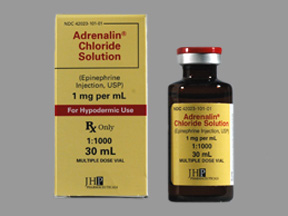
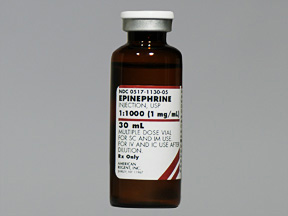
An epinephrine autoinjector is a medical device used to deliver a measured dose (or doses) of epinephrine (also known as adrenaline) using autoinjector technology, most frequently for the treatment of anaphylaxis.
Trade names for this device include EpiPen, Emerade, Twinject, Adrenaclick, Anapen, Jext, Allerject, and Auvi-Q. The EpiPen was originally derived from the ComboPen, a product developed for the military for treating exposure to nerve agents
Design
The devices contain a spring-loaded needle that exits the tip of the device (in some cases through a sterile membrane) and penetrates the recipient's skin, to deliver the medication via subcutaneous or intramuscular injection.
Epinephrine autoinjectors contain a pre-determined dose of epinephrine, usually between 300 μg and 500 μg of active ingredient at a concentration of 1:1000. They typically contain more medication than the amount needed for a single dose, but any extra amount is not intended for use and is inaccessible without destroying the device. Manufacturers have also made pediatric dosed versions available at 150 μg of active ingredient,and there is also a version which contains two individual doses (in case a repeated application is required) sold under the trade name Twinject
Effectiveness
None of these devices prevent future episodes of anaphylaxis. Patients who experience severe or life-threatening reactions may be treated further via allergen immunotherapy for long lived protection. A series of allergy injections composed of increasing concentrations of naturally occurring substances (such as venom) provide excellent and usually lifelong protections against adverse effects of future insect stings. The initial injections have a very low concentration, usually 1 ppb or less.
Common adverse reactions to systemically administered epinephrine include anxiety, apprehensiveness, restlessness, tremor, weakness, dizziness, sweating, palpitations, pallor, nausea and vomiting, headache, and respiratory difficulties. These symptoms occur in some persons receiving therapeutic doses of epinephrine, but are more likely to occur in patients with heart disease, hypertension, or hyperthyroidism.
Due to the lack of randomized, controlled clinical trials of epinephrine for the treatment of anaphylaxis, the true incidence of adverse reactions associated with the systemic use of epinephrine is difficult to determine. Adverse reactions reported in observational trials, case reports, and studies are listed below by body system:
Cardiovascular: angina, arrhythmias, hypertension, pallor, palpitations, tachyarrhythmia, tachycardia, vasoconstriction, and ventricular ectopy.
How to use epinephrine injection
Keep this product near you at all times.
Different brands of this medication have different directions for preparing and using the injector. Learn how to properly inject this medication in advance so you will be prepared when you actually need to use it. Also teach a family member or caregiver what to do if you cannot inject the medication yourself. Read the Patient Information Leaflet provided by your pharmacist before you have to use epinephrine and each time you get a refill. If you have any questions, consult your doctor or pharmacist.
The effects of this medication are rapid but not long-lasting. After injecting epinephrine, seek immediate medical attention. Tell the healthcare professional that you have given yourself an injection of epinephrine. Avoid accidentally injecting this medication into your hands or areas of your body other than the thigh. If this occurs, tell the healthcare professional immediately. Discard the injector properly.
The solution in this product should be clear. Check this product visually for particles or discoloration from time to time. If it has turned cloudy or pink/brown in color, do not use the product. Obtain a new supply.
A fast/pounding heartbeat, nervousness, sweating, nausea, vomiting, trouble breathing, headache, dizziness, anxiety, shakiness, or pale skin may occur. If any of these effects persist or worsen, notify your doctor or pharmacist promptly.
Remember that your doctor has prescribed this medication because he or she has judged that the benefit to you is greater than the risk of side effects. Many people using this medication do not have serious side effects.
Tell your doctor immediately if any of these unlikely but serious side effects occur: irregular heartbeat.
Seek immediate medical attention if any of these rare but very serious side effects occur: chest pain, fainting, vision changes, seizures, confusion.
This is not a complete list of possible side effects. If you notice other effects not listed above, contact your doctor or pharmacist.
Before using this medication, tell your doctor or pharmacist if you are allergic to it; or if you have any other allergies. This product may contain inactive ingredients, which can cause allergic reactions or other problems. Talk to your pharmacist for more details.
This product may contain sulfites. However, if you have a sulfite allergy, this should not be a reason for avoiding use of this medication during an emergency. Since epinephrine can be life-saving, using it is more important than avoiding any sulfite-related problems you may experience.
Before using this medication, tell your doctor or pharmacist your medical history, especially of: heart conditions (e.g., coronary artery disease, arrhythmias), high blood pressure, thyroid disease, diabetes.
This drug may make you dizzy. Do not drive, use machinery, or do any activity that requires alertness until you are sure you can perform such activities safely. Limit alcoholic beverages.
The elderly may be more sensitive to the effects of this drug, especially a rapid rise in blood pressure, with increased risk if they also have heart disease.
This medication should be used only if clearly needed during pregnancy or breast-feeding. Discuss the risks and benefits with your doctor.
Your healthcare professionals (e.g., doctor or pharmacist) may already be aware of any possible drug interactions and will monitor you for them after you receive epinephrine. Do not start, stop or change the dosage of any medicine before checking with them first.
Before using this medication, tell your doctor or pharmacist of all prescription and nonprescription/herbal products you may use, especially of: anti-arrhythmic drugs (e.g., amiodarone, quinidine), beta-blockers (e.g., propranolol), digoxin, entacapone, ergot alkaloids (e.g., ergotamine), MAO inhibitors (isocarboxazid, linezolid, methylene blue, moclobemide, phenelzine, procarbazine, rasagiline, selegiline, tranylcypromine), phenothiazines (e.g., chlorpromazine), thyroid hormones (e.g., levothyroxine), tricyclic antidepressants (e.g., amitriptyline, doxepin), "water pills" (diuretics such as furosemide, hydrochlorothiazide).
This document does not contain all possible interactions. Therefore, before using this product, tell your doctor or pharmacist of all the products you use. Keep a list of all your medications with you, and share the list with your doctor and pharmacist.
If overdose is suspected, contact a poison control center or emergency room immediately. Symptoms of overdose may include irregular heartbeat, fainting, vision changes, confusion, seizures.
Notes
Do not share this medication with others.
Missed Dose
Not applicable.
Storage
Store this product in the carrying case/original packaging at room temperature between 68-77 degrees F (20-25 degrees C) away from light and moisture. Brief storage between 59-86 degrees F (15-30 degrees C) is permitted. Avoid extreme heat and cold. Do not store this medication in your vehicle or in the bathroom. Do not refrigerate or freeze.
From time to time, check the expiration date, and also check this product visually for particles or discoloration. Replace the unit before it expires or if particles/discoloration are present. Keep all medicines away from children and pets.
Do not flush medications down the toilet or pour them into a drain unless instructed to do so. Properly discard this medication when it is expired or no longer needed. Consult your pharmacist or local waste disposal company for more details about how to safely discard your medication.
Information last revised March 2013. Copyright(c) 2013 First Databank, Inc.


