




 Home

- Allergies
- Acid Reflux
- ADHD
- Anxiety Disorders
- Arthritis
- Asthma
- Back Pain
- Bipolar Disorder
- Cancer
- Cholesterol
- Cold, Flu, & Cough
- COPD
- Depression
- Diabetes
- Eye Health
- Fibromyalgia
- Heart Disease
- Heartburn/GERD
- Hypertension
- Incontinence/OAB
- Migraines
- Osteoporosis
- Rheumatoid Arthritis
- Sexual Conditions
- Sleep Disorders
- Celebrity Secrets
- Skin Problems
- Multiple Sclerosis
- X-Rays
- Yellow Fever
- Yoga
- Women's Health
- Vitamins
- Weight Loss
- Wisdom Teeth
- Ultrasounds
- Transplant
- Skin Cancer
- Pain Management
- Palliative Care
- Pneumonia
- Obesity
- Mental Health
- Liver Cancer
- Lung Disease
- Labor and Delivery
- Knee Replacement Surgery
- Kidney Stones
- Jaundice
- Integrative Medicine
- Infections
- Interventional Pulmonology
- Headaches
- High blood preasure
- HIV/AIDS
- Fever
- Gestational Diabetes
- Gas
- Food Poisoning
- Oral Care
- Dengue Fever
- Ear Infections
- Diarrhea
- Dry Skin
- Cholera
- Children's Health
- Chickenpox
- Brain Diseases
- Lower Back pain
- Bone Tumors
- Anemia
- Avoidant Personality Disorder
- Aging
- Alcohol Interaction With Medication
- Burns
- Cataracts
- Chlamydia

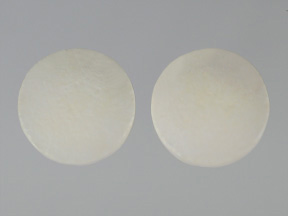
Zinc sulfate is the inorganic compound with the formula ZnSO4 as well as any of three hydrates. It was historically known as "white vitriol". It is a colorless solid that is a common source of soluble zinc ions.
It is on the World Health Organization's List of Essential Medicines, a list of the most important medication needed in a basic health system
Zinc gluconate (also called zincum gluconicum) is the zinc salt of gluconic acid. It is an ionic compound consisting of two moles of gluconate for each mole of zinc. Zinc gluconate is a popular form for the delivery of zinc as a dietary supplement.
Gluconic acid is found naturally, and is industrially manufactured by the fermentation of glucose, typically by Aspergillus niger, but also by other fungi, e.g. Penicillium, or by bacteria, e.g. Acetobacter, Pseudomonas and Gluconobacter.[1] In its pure form, it is a white to off-white powder. It can also be manufactured by electrolytic oxidation,although this is a more expensive process. The advantages are a lower microbiological profile, and a more complete reaction, yielding a product with a longer shelf life.
Zinc gluconate and the common cold
Zinc gluconate has been used in lozenges for treating the common cold. However, controlled trials with lozenges composed of zinc acetate have found the greatest effect on the duration of colds.
Safety concerns
Instances of anosmia (loss of smell) have been reported with intranasal use of some products containing zinc gluconate. In September 2003, Zicam faced lawsuits from users who claimed that the product, a nasal gel containing zinc gluconate and several inactive ingredients, negatively affected their sense of smell and sometimes taste. Some plaintiffs alleged experiencing a strong and very painful burning sensation when they used the product. Matrixx Initiatives, Inc., the maker of Zicam, responded that only a small number of people had experienced problems and that anosmia can be caused by the common cold itself. In January 2006, 340 lawsuits were settled for $12 million.
The U.S. Food and Drug Administration (FDA) considers zinc gluconate to be generally recognized as safe (GRAS) when used in accordance with good manufacturing practice, although this does not constitute a finding by the FDA that the substance is a useful dietary supplement. On 16 June 2009 the FDA "warned consumers to stop using and discard three zinc-containing Zicam intranasal products. The products may cause a loss of sense of smell. ... FDA is concerned that the loss of sense of smell may be permanent." Matrixx responded that the FDA's allegations were "unfounded and misleading", citing a lack of evidence from controlled tests that Zicam causes anosmia. In its warning, FDA stated, "This warning does not involve oral zinc tablets and lozenges taken by mouth. Dietary zinc is also not subject to this warning.
Zinc is a metal. It is called an “essential trace element” because very small amounts of zinc are necessary for human health.
Zinc is used for treatment and prevention of zinc deficiency and its consequences, including stunted growth and acute diarrhea in children, and slow wound healing.
It is also used for boosting the immune system, treating the common cold and recurrent ear infections, and preventing lower respiratory infections. It is also used for malaria and other diseases caused by parasites.
Some people use zinc for an eye disease called macular degeneration, for night blindness, and for cataracts. It is also used for asthma; diabetes; high blood pressure; acquired immunodeficiency syndrome (AIDS); and skin conditions such as psoriasis, eczema, and acne.
Other uses include treating attention deficit-hyperactivity disorder (ADHD), blunted sense of taste (hypogeusia), ringing in the ears (tinnitus), severe head injuries, Crohn’s disease, Alzheimer’s disease, Down syndrome, Hansen’s disease, ulcerative colitis, peptic ulcers and promoting weight gain in people with eating disorders such as anorexia nervosa.
Some people use zinc for benign prostatic hyperplasia (BPH), male infertility, erectile dysfunction (ED), weak bones (osteoporosis), rheumatoid arthritis, and muscle cramps associated with liver disease. It is also used for sickle cell disease and inherited disorders such as acrodermatitis enteropathica, thalassemia, and Wilson’s disease.
Some athletes use zinc for improving athletic performance and strength.
This medication is a mineral used to treat or prevent low levels of zinc.
OTHER USES: This section contains uses of this drug that are not listed in the approved professional labeling for the drug but that may be prescribed by your health care professional. Use this drug for a condition that is listed in this section only if it has been so prescribed by your health care professional.
This medication may also be used to promote wound healing.
How to use Zinc-15
Take this medication by mouth as directed by your doctor or on the package.
Take this medication 1 hour before or 2 hours after meals. May be taken with food if it upsets your stomach. Best to swallow whole. Do not crush or chew.
Avoid milk, bran, grains, or cereals within 2 hours of taking this medicine.
Use this medication regularly in order to get the most benefit from it. To help you remember, use it at the same time(s) each day.
Nausea, stomach upset, heartburn may occur. If any of these effects persist or worsen, notify your doctor or pharmacist promptly.
If your doctor has directed you to use this medication, remember that he or she has judged that the benefit to you is greater than the risk of side effects. Many people using this medication do not have serious side effects.
Tell your doctor immediately if any of these unlikely but serious side effects occur: fever, chills, sore throat, sores in mouth, unusual tiredness, weakness.
This is not a complete list of possible side effects. If you notice other effects not listed above, contact your doctor or pharmacist.
Before taking this medication, tell your doctor or pharmacist if you have any allergies. This product may contain inactive ingredients, which can cause allergic reactions or other problems. Talk to your pharmacist for more details.
This medication should not be used if you have certain medical conditions. Before using this medicine, consult your doctor or pharmacist if you have: low blood levels of copper.
Before using this medication, tell your doctor or pharmacist your medical history.
Tell your doctor if you are pregnant before using this medication.
This medication passes into breast milk. While there have been no reports of harm to nursing infants, consult your doctor before breast-feeding.
If you are taking this medication under your doctor's direction, your doctor or pharmacist may already be aware of any possible drug interactions and may be monitoring you for them. Do not start, stop, or change the dosage of any medicine before checking with your doctor or pharmacist first.
Before using this medication, tell your doctor or pharmacist of all prescription and nonprescription products you may use, especially of: penicillamine, phosphorus containing products.
This product can decrease the absorption of other drugs such as tetracycline antibiotics (e.g., doxycycline, minocycline), bisphosphonates (e.g., alendronate), and quinolone antibiotics (e.g., ciprofloxacin, levofloxacin). Therefore, separate your doses of these medications as far as possible from your doses of this product. Ask your doctor or pharmacist about how long you should wait between doses and for help finding a dosing schedule that will work with all your medications.
This document does not contain all possible interactions. Therefore, before using this product, tell your doctor or pharmacist of all the products you use. Keep a list of all your medications with you, and share the list with your doctor and pharmacist.
If overdose is suspected, contact a poison control center or emergency room immediately. Symptoms of overdose may include severe nausea, vomiting, dizziness, fainting, and shortness of breath.
Notes
Do not share this medication with others.
It is important to maintain a well balanced diet while taking this medicine.
Foods containing good sources of zinc include lean red meats, seafood, peas, and beans.
Laboratory tests (e.g., zinc and copper levels) should be performed periodically to monitor your progress or check for side effects. Consult your doctor for more details.
Missed Dose
If you miss a dose, use it as soon as you remember. If it is near the time of the next dose, skip the missed dose and resume your usual dosing schedule. Do not double the dose to catch up.
Storage
Store at room temperature between 59 and 86 degrees F (15-30 degrees C) away from light and moisture. Do not store in the bathroom. Keep all medicines away from children and pets.
Do not flush medications down the toilet or pour them into a drain unless instructed to do so. Properly discard this product when it is expired or no longer needed. Consult your pharmacist or local waste disposal company for more details about how to safely discard your product.
Information last revised March 2013. Copyright(c) 2013 First Databank, Inc.


