




 Home

- Allergies
- Acid Reflux
- ADHD
- Anxiety Disorders
- Arthritis
- Asthma
- Back Pain
- Bipolar Disorder
- Cancer
- Cholesterol
- Cold, Flu, & Cough
- COPD
- Depression
- Diabetes
- Eye Health
- Fibromyalgia
- Heart Disease
- Heartburn/GERD
- Hypertension
- Incontinence/OAB
- Migraines
- Osteoporosis
- Rheumatoid Arthritis
- Sexual Conditions
- Sleep Disorders
- Celebrity Secrets
- Skin Problems
- Multiple Sclerosis
- X-Rays
- Yellow Fever
- Yoga
- Women's Health
- Vitamins
- Weight Loss
- Wisdom Teeth
- Ultrasounds
- Transplant
- Skin Cancer
- Pain Management
- Palliative Care
- Pneumonia
- Obesity
- Mental Health
- Liver Cancer
- Lung Disease
- Labor and Delivery
- Knee Replacement Surgery
- Kidney Stones
- Jaundice
- Integrative Medicine
- Infections
- Interventional Pulmonology
- Headaches
- High blood preasure
- HIV/AIDS
- Fever
- Gestational Diabetes
- Gas
- Food Poisoning
- Oral Care
- Dengue Fever
- Ear Infections
- Diarrhea
- Dry Skin
- Cholera
- Children's Health
- Chickenpox
- Brain Diseases
- Lower Back pain
- Bone Tumors
- Anemia
- Avoidant Personality Disorder
- Aging
- Alcohol Interaction With Medication
- Burns
- Cataracts
- Chlamydia
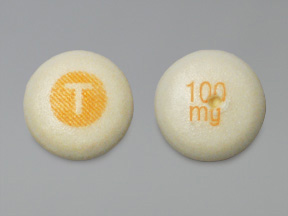
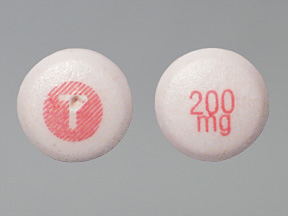
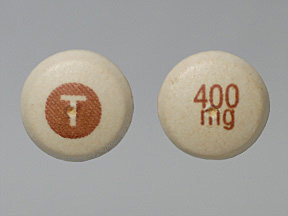
Carbamazepine (CBZ) (Tegretol, Equetro) is an anticonvulsant and mood-stabilizing drug used primarily in the treatment of epilepsy and bipolar disorder, as well as trigeminal neuralgia. Off-label uses include attention-deficit hyperactivity disorder (ADHD), schizophrenia, phantom limb syndrome, complex regional pain syndrome, borderline personality disorder, and post-traumatic stress disorder.
Studies on the use of carbamazepine in pregnant women have demonstrated exposure of the fetus to the drug and its metabolites. Intrauterine exposure to carbamazepine has been shown to be teratogenic and is associated with the development of spina bifida,neurodevelopmental problems.
Medical uses
Carbamazepine is typically used for the treatment of seizure disorders and neuropathic pain.It may be used off-label as a second line treatment for bipolar disorder and as an adjunct, never alone, with an antipsychotic in some cases of schizophrenia when treatment with a conventional antipsychotic alone has failed
Adverse effects
Common adverse effects may include drowsiness, dizziness, headaches and migraines, motor coordination impairment, nausea, vomiting and/or constipation. Alcohol use while taking carbamazepine may lead to enhanced depression of the central nervous system.
Less common side-effects may include cardiac arrhythmias, blurry or double vision and/or the temporary loss of blood cells or platelets and in rare cases can cause aplastic anemia or agranulocytosis. With normal use, small reductions in white cell count and serum sodium levels are common; however, in rare cases, the loss of platelets may become life-threatening. In this case a doctor may recommend frequent blood tests during the first few months of use, followed by three to four tests per year for established patients. Additionally, carbamazepine may possibly exacerbate preexisting cases of hypothyroidism, so yearly thyroid function tests are advisable for persons taking the drug.
Associated birth defects
If taken during pregnancy, Carbamazepine can cause birth defects that include: cardiovascular and urinary tract anomalies, craniofacial defects such as cleft palate,fingernail hypoplasia, microcephaly, developmental delays, and intrauterine growth restrictions.
Environmental impact
Carbamazepine can enter the environment through discharge of wastewater, and has also been shown to persist and accumulate in the organic components of soil and sludge. As carbamazepine is an emerging contaminant, the effects of its bioaccumulation on other living creatures and plants are not well-understood.
Pharmacokinetics
Carbamazepine is relatively slowly but well absorbed after oral administration. Its plasma half life is about 30 hours when it is given as single dose, but it is a strong inducer of hepatic enzymes and the plasma half-life shortens to about 15 hours when it is given repeatedly. Some of its metabolites have antiepileptic properties. A slow-release preparation is used for patients who experience transient side effects coinciding with plasma concentration peaks following oral dosing.
Mechanism of action
The mechanism of action of carbamazepine and its derivatives is relatively well-understood. Carbamazepine stabilizes the inactivated state of Voltage-gated sodium channels, making fewer of these channels available to subsequently open. This leaves the affected cells less excitable until the drug dissociates.
Patients, their caregivers, and families should be counseled that AEDs, including Tegretol, may increase the risk of suicidal thoughts and behavior and should be advised of the need to be alert for the emergence or worsening of symptoms of depression, any unusual changes in mood or behavior, or the emergence of suicidal thoughts, behavior, or thoughts about self-harm. Behaviors of concern should be reported immediately to healthcare providers.
Tegretol may interact with some drugs. Therefore, patients should be advised to report to their doctors the use of any other prescription or nonprescription medications or herbal products.
Caution should be exercised if alcohol is taken in combination with Tegretol therapy, due to a possible additive sedative effect.
Since dizziness and drowsiness may occur, patients should be cautioned about the hazards of operating machinery or automobiles or engaging in other potentially dangerous tasks.
Pediatric Use
Substantial evidence of Tegretol's effectiveness for use in the management of children with epilepsy (see INDICATIONS AND USAGE for specific seizure types) is derived from clinical investigations performed in adults and from studies in several in vitro systems which support the conclusion that the pathogenetic mechanisms underlying seizure propagation are essentially identical in adults and children, and (2) the mechanism of action of carbamazepine in treating seizures is essentially identical in adults and children.
Taken as a whole, this information supports a conclusion that the generally accepted therapeutic range of total carbamazepine in plasma (i.e., 4-12 mcg/mL) is the same in children and adults.
The evidence assembled was primarily obtained from short-term use of carbamazepine. The safety of carbamazepine in children has been systematically studied up to 6 months. No longer-term data from clinical trials is available.
Geriatric Use
No systematic studies in geriatric patients have been conducted.
This monograph has been modified to include the generic and brand name in many instances.
If adverse reactions are of such severity that the drug must be discontinued, the physician must be aware that abrupt discontinuation of any anticonvulsant drug in a responsive epileptic patient may lead to seizures or even status epilepticus with its life-threatening hazards.
The most severe adverse reactions have been observed in the hemopoietic system and skin (see BOXED WARNING), the liver, and the cardiovascular system.
The most frequently observed adverse reactions, particularly during the initial phases of therapy, are dizziness, drowsiness, unsteadiness, nausea, and vomiting. To minimize the possibility of such reactions, therapy should be initiated at the low dosage recommended.
The following additional adverse reactions have been reported:
Hemopoietic System: Aplastic anemia, agranulocytosis, pancytopenia, bone marrow depression, thrombocytopenia, leukopenia, leukocytosis, eosinophilia, anemia, acute intermittent porphyria, variegate porphyria, porphyria cutanea tarda.
Skin: Toxic epidermal necrolysis (TEN) and Stevens-Johnson syndrome (SJS) (see BOXED WARNING), Acute Generalized Exanthematous Pustulosis (AGEP), pruritic and erythematous rashes, urticaria, photosensitivity reactions, alterations in skin pigmentation, exfoliative dermatitis, erythema multiforme and nodosum, purpura, aggravation of disseminated lupus erythematosus, alopecia, diaphoresis and onychomadesis. In certain cases, discontinuation of therapy may be necessary. Isolated cases of hirsutism have been reported, but a causal relationship is not clear.
Before initiating therapy, a detailed history and physical examination should be made.
Tegretol should be used with caution in patients with a mixed seizure disorder that includes atypical absence seizures, since in these patients Tegretol has been associated with increased frequency of generalized convulsions (see INDICATIONS AND USAGE).
Therapy should be prescribed only after critical benefit-to-risk appraisal in patients with a history of cardiac conduction disturbance, including second and third degree AV heart block; cardiac, hepatic, or renal damage; adverse hematologic or hypersensitivity reaction to other drugs, including reactions to other anticonvulsants; or interrupted courses of therapy with Tegretol.
AV heart block, including second and third degree block, have been reported following Tegretol treatment. This occurred generally, but not solely, in patients with underlying EKG abnormalities or risk factors for conduction disturbances.
Interactions
Carbamazepine has a potential for drug interactions; caution should be used in combining other medicines with it, including other antiepileptics and mood stabilizers. Lower levels of carbamazepine are seen when administrated with phenobarbital, phenytoin (Dilantin), or primidone (Mysoline), which can result in breakthrough seizure activity. Carbamazepine, as a CYP450 inducer, may increase clearance of many drugs, decreasing their concentration in the blood to subtherapeutic levels and reducing their desired effects.Drugs that are more rapidly metabolized with carbamazepine include warfarin (Coumadin), lamotrigine (Lamictal), phenytoin (Dilantin), theophylline, and valproic acid (Depakote, Depakote ER, Depakene, Depacon).Drugs that decrease the metabolism of carbamazepine or otherwise increase its levels include erythromycin, cimetidine (Tagamet), propoxyphene (Darvon), and calcium channel blockers. Carbamazepine also increases the metabolism of the hormones in birth control pills and can reduce their effectiveness, potentially leading to unexpected pregnancies.As a drug that induces cytochrome P450 enzymes, it accelerates elimination of many benzodiazepines and decreases their action.
Valproic acid and valnoctamide both inhibit microsomal epoxide hydrolase (mEH), the enzyme responsible for the breakdown of carbamazepine-10,11 epoxide into inactive metabolites. By inhibiting mEH, valproic acid and valnoctamide cause a buildup of the active metabolite, prolonging the effects of carbamazepine and delaying its excretion.
Grapefruit juice raises the bioavailability of carbamazepine by inhibiting CYP3A4 enzymes in the gut wall and in the liver.
Acute Toxicity
Lowest known lethal dose: adults, 3.2 g (a 24-year-old woman died of a cardiac arrest and a 24-year-old man died of pneumonia and hypoxic encephalopathy); children, 4 g (a 14-year-old girl died of a cardiac arrest), 1.6 g (a 3-year-old girl died of aspiration pneumonia).
Oral LD50 in animals (mg/kg): mice, 1100-3750; rats, 3850-4025; rabbits, 1500-2680; guinea pigs, 920.
Signs And Symptoms
The first signs and symptoms appear after 1-3 hours. Neuromuscular disturbances are the most prominent. Cardiovascular disorders are generally milder, and severe cardiac complications occur only when very high doses ( > 60 g) have been ingested.
Respiration: Irregular breathing, respiratory depression.
Cardiovascular System: Tachycardia, hypotension or hypertension, shock, conduction disorders.
Nervous System and Muscles: Impairment of consciousness ranging in severity to deep coma. Convulsions, especially in small children. Motor restlessness, muscular twitching, tremor, athetoid movements, opisthotonos, ataxia, drowsiness, dizziness, mydriasis, nystagmus, adiadochokinesia, ballism, psychomotor disturbances, dysmetria. Initial hyperreflexia, followed by hyporeflexia.
Gastrointestinal Tract: Nausea, vomiting.
Kidneys and Bladder: Anuria or oliguria, urinary retention.
Laboratory Findings: Isolated instances of overdosage have included leukocytosis, reduced leukocyte count, glycosuria, and acetonuria. EEG may show dysrhythmias.
Combined Poisoning: When alcohol, tricyclic antidepressants, barbiturates, or hydantoins are taken at the same time, the signs and symptoms of acute poisoning with Tegretol may be aggravated or modified.


