




 Home

- Allergies
- Acid Reflux
- ADHD
- Anxiety Disorders
- Arthritis
- Asthma
- Back Pain
- Bipolar Disorder
- Cancer
- Cholesterol
- Cold, Flu, & Cough
- COPD
- Depression
- Diabetes
- Eye Health
- Fibromyalgia
- Heart Disease
- Heartburn/GERD
- Hypertension
- Incontinence/OAB
- Migraines
- Osteoporosis
- Rheumatoid Arthritis
- Sexual Conditions
- Sleep Disorders
- Celebrity Secrets
- Skin Problems
- Multiple Sclerosis
- X-Rays
- Yellow Fever
- Yoga
- Women's Health
- Vitamins
- Weight Loss
- Wisdom Teeth
- Ultrasounds
- Transplant
- Skin Cancer
- Pain Management
- Palliative Care
- Pneumonia
- Obesity
- Mental Health
- Liver Cancer
- Lung Disease
- Labor and Delivery
- Knee Replacement Surgery
- Kidney Stones
- Jaundice
- Integrative Medicine
- Infections
- Interventional Pulmonology
- Headaches
- High blood preasure
- HIV/AIDS
- Fever
- Gestational Diabetes
- Gas
- Food Poisoning
- Oral Care
- Dengue Fever
- Ear Infections
- Diarrhea
- Dry Skin
- Cholera
- Children's Health
- Chickenpox
- Brain Diseases
- Lower Back pain
- Bone Tumors
- Anemia
- Avoidant Personality Disorder
- Aging
- Alcohol Interaction With Medication
- Burns
- Cataracts
- Chlamydia
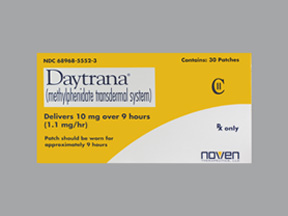
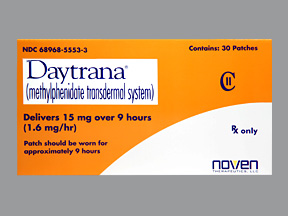
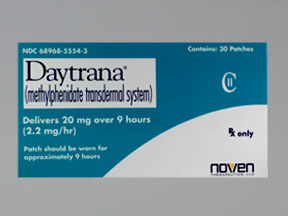
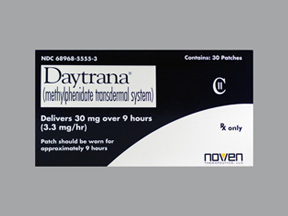
Methylphenidate (trade names Concerta, Methylin, Ritalin, Equasym XL) is a substituted phenethylamine and psychostimulant drug used for the treatment of attention-deficit hyperactivity disorder (ADHD), postural orthostatic tachycardia syndrome and narcolepsy. Methylphenidate has been studied and researched for over 50 years and has a very good efficacy and safety record for the treatment of ADHD.The original patent was owned by CIBA, now Novartis Corporation. It was first licensed by the U.S. Food and Drug Administration (FDA) in 1955 for treating what was then known as hyperactivity. Prescribed to patients beginning in 1960, the drug became heavily prescribed in the 1990s, when the diagnosis of ADHD itself became more widely accepted.
ADHD and other similar conditions are believed to be linked to sub-performance of the dopamine and norepinephrine functions in the brain, primarily in the prefrontal cortex, responsible for self-regulatory function (e.g., inhibition, motivation, and memory) and executive function (e.g., reasoning, organizing, problem solving, and planning). Methylphenidate's mechanism of action involves the inhibition of catecholamine reuptake, primarily as a dopamine reuptake inhibitor. Methylphenidate acts by blocking the dopamine transporter and norepinephrine transporter, leading to increased concentrations of dopamine and norepinephrine within the synaptic cleft.
Â
Attention deficit hyperactivity disorder
Methylphenidate is approved by the U.S. Food and Drug Administration (FDA) for the treatment of attention deficit hyperactivity disorder.The addition of behavioural modification therapy (e.g. cognitive behavioral therapy (CBT)) has additional benefits on treatment outcome.People with ADHD have an increased risk of substance abuse, and stimulant medications reduce this risk. A 2010 study on methylphenidate for adult ADHD suggested that methylphenidate doesn't promote academic outcomes in these individuals.
The dosage used can vary quite significantly among individuals with some people responding to quite low doses, whereas others require a higher dose range; consequently, dosage should be titrated to an optimal level that achieves therapeutic benefit and minimal side-effects.
Performance-enhancing
Therapeutic doses of methylphenidate and amphetamine improve cortical network efficiency, resulting in higher performance on working memory tests in all individuals. Methylphenidate and other ADHD stimulants also improve task saliency and increase arousal
Mechanisms of ADHD
Current models of ADHD suggest that it is associated with functional impairments in some of the brain's neurotransmitter systems, particularly those involving dopamine and norepinephrine.
Pharmacology
3D space-filling modelmethylphenidate molecule
Pharmacodynamics
Methylphenidate primarily acts as a dopamine-norepinephrine reuptake inhibitor (DNRI). It is a benzylpiperidine and phenethylamine derivative which also shares part of its basic structure with catecholamines.
Methylphenidate is most active at modulating levels of dopamine and to a lesser extent norepinephrine.Methylphenidate binds to and blocks dopamine transporters and norepinephrine transporters.
Detection in biological fluids
The concentration of methylphenidate or ritalinic acid, its major metabolite, may be quantified in plasma, serum or whole blood in order to monitor compliance in those receiving the drug therapeutically, to confirm the diagnosis in potential poisoning victims or to assist in the forensic investigation in a case of fatal overdosage.
Chemistry
Four isomers of methylphenidate are known to exist. One pair of threo isomers and one pair of erythro are distinguished, from which only d-threo-methylphenidate exhibits the pharmacologically usually desired effects.
Immediate-release
A formulation by the Novartis trademark name Ritalin, is an immediate-release racemic mixture, although a variety of formulations and generic brand names exist. Generic brand names include Ritalina, Rilatine, Attenta, Medikinet, Metadate, Methylin, Penid, Tranquilyn and Rubifen. Focalin is a preparation containing only dextro-methylphenidate, rather than the usual racemic dextro- and levo-methylphenidate mixture of other formulations.
Extended-release
Extended-release tablets or capsules include:
Concerta (brand-name); Watson methylphenidate ER (US generic); Teva-Methylphenidate ER‑C (Canadian generic). Each pill is effective for 12 hours.
Misuse or abuse of methylphenidate can result in serious (possibly fatal) heart and blood pressure problems.
This medication can be habit-forming and should be used cautiously by people who have mental/mood disorders or a history of alcohol/drug abuse. Before using this medication, tell your doctor if you have abused or been dependent on drugs or alcohol. Do not increase your dose, use it more often, or use it for a longer time or in a different way than prescribed. Doing so may result in a decrease in the effect of this drug, drug dependence, or abnormal thoughts/behavior.
Your doctor may monitor you for a while after the medication is stopped, especially if you have used this drug for a long time or in high doses.
Methylphenidate is used as part of a treatment program (including psychological, educational, and social measures) to treat attention deficit hyperactivity disorder - ADHD. It can help increase your ability to pay attention, stay focused on an activity, and control behavior problems. It may also help you to organize your tasks and improve listening skills. Methylphenidate is a mild stimulant that is thought to work by changing the amounts of certain natural substances in the brain.
How to use methylphenidate transdermal
Read the Medication Guide provided by your pharmacist before you start using methylphenidate and each time you get a refill. Read and follow all directions in the Patient Information Leaflet. Learn how to properly use, store, and discard the patches. If you have any questions, ask your doctor or pharmacist.
Apply this medication to the skin as directed by your doctor, usually once daily in the morning, 2 hours before you need the effects of this drug. Then remove the patch as directed by your doctor, usually 9 hours later. Applying this medication late in the day may cause trouble sleeping (insomnia). If you apply this patch in the early morning and still have trouble sleeping, your doctor may direct you to remove the patch within less than 9 hours. Carefully follow your doctor's instructions.
This medication should be applied to a clean, dry area of skin on the hip. Before applying the patch, gently wash, rinse, and dry the application area. Do not apply to cut or irritated skin. Remove the patch from the pouch and apply right away as directed. Do not cut the patch. When using a new patch the next day, apply to an area of skin on the other hip to avoid irritation. Do not apply a heating pad or other heat to the patch area since this may increase the risk of side effects. Bathing, swimming, or showering may affect how well the patch stays on the skin. If the patch does not stick properly or falls off, replace with a new patch at another site. Remove the new patch at your usual time, usually 9 hours after applying the first patch.
After removing the patch, fold it in half with the sticky sides together and throw it away as directed. Do not touch the sticky side with your fingers. Wash your hands after applying or removing the patch.
Use this medication regularly to get the most benefit from it. To help you remember, use it at the same time each day.
The dosage is based on your medical condition and response to treatment. Your doctor may direct you to gradually increase or decrease your dose. Also, if you have used it for a long time, do not suddenly stop using this drug without consulting your doctor.
This medication may cause withdrawal reactions, especially if it has been used regularly for a long time or in high doses. In such cases, withdrawal symptoms (such as depression, suicidal thoughts, or other mental/mood changes) may occur if you suddenly stop using this medication. To prevent withdrawal reactions, your doctor may reduce your dose gradually. Consult your doctor or pharmacist for more details, and report any withdrawal reactions immediately.
When used for a long time, this medication may not work as well. Talk with your doctor if this medication stops working well.
Along with its benefits, this medication may rarely cause abnormal drug-seeking behavior (addiction). This risk may be increased if you have abused alcohol or drugs in the past. Take this medication exactly as prescribed to lessen the risk of addiction.
Tell your doctor if your condition does not improve or if it worsens.
Nervousness, trouble sleeping, loss of appetite, weight loss, dizziness, nausea, vomiting, headache, blue fingers/toes, or cold hands/feet may occur. Mild irritation or redness at the application site may also occur. If any of these effects persist or worsen, tell your doctor or pharmacist promptly.
Remember that your doctor has prescribed this medication because he or she has judged that the benefit to you is greater than the risk of side effects. Many people using this medication do not have serious side effects.
Tell your doctor right away if you have any serious side effects, including: numbness/pain/skin color change/sensitivity to temperature in the fingers or toes, fast/pounding/irregular heartbeat, mental/mood/behavior changes (such as agitation, aggression, mood swings, abnormal thoughts), uncontrolled muscle movements (such as twitching, shaking), sudden outbursts of words/sounds that are hard to control, vision changes (such as blurred vision), slow healing sores/ulcers on the tips of fingers/toes.
Get medical help right away if you have any very serious side effects, including: fainting, seizure, symptoms of a heart attack (such as chest/jaw/left arm pain, shortness of breath, unusual sweating), symptoms of a stroke (such as weakness on one side of the body, slurred speech, sudden vision changes, confusion).
Rarely, males (including young boys and teens) may have a painful or prolonged erection lasting 4 or more hours while using this medication. Caregivers/parents should also be watchful for this serious side effect in boys. If a painful or prolonged erection occurs, stop using this drug and get medical help right away, or permanent problems could occur. Ask your doctor or pharmacist for more details.
A very serious allergic reaction to this drug is rare. However, get medical help right away if you notice any symptoms of a serious allergic reaction, including: rash, itching/swelling (especially of the face/tongue/throat), severe dizziness, trouble breathing.
This is not a complete list of possible side effects. If you notice other effects not listed above, contact your doctor or pharmacist.
Before using methylphenidate, tell your doctor or pharmacist if you are allergic to it; or to dexmethylphenidate; or if you have any other allergies. This product may contain inactive ingredients, which can cause allergic reactions or other problems. Talk to your pharmacist for more details.
Before using this medication, tell your doctor or pharmacist your medical history, especially of: high blood pressure, blood circulation problems (such as Raynaud's disease), glaucoma, heart problems (such as irregular heartbeat, heart failure, previous heart attack, problems with heart structure), family history of heart problems (such as sudden cardiac death, irregular heartbeat), mental/mood conditions (especially anxiety, tension, agitation), personal/family history of mental/mood disorders (such as bipolar disorder, depression, psychosis), personal/family history of uncontrolled muscle movements (motor tics, Tourette's syndrome), overactive thyroid (hyperthyroidism), seizure disorder.
This drug may make you dizzy. Do not drive, use machinery, or do any activity that requires alertness until you are sure you can perform such activities safely. Limit alcoholic beverages.
If you are going to have an MRI test, tell testing personnel that you are using this patch. Some patches may contain metals that can cause serious burns during an MRI. Ask your doctor whether you will need to remove your patch before the test and apply a new patch afterward, and how to do so properly.
Before having surgery, tell your doctor or dentist about all the products you use (including prescription drugs, nonprescription drugs, and herbal products).
If used for a long time, this drug may affect a child's growth rate, weight, and final adult height. To reduce the risk, the doctor may recommend briefly stopping the medication from time to time. Check the child's weight and height regularly, and consult your doctor or pharmacist for more details.
Older adults may be more sensitive to the side effects of this drug, especially trouble sleeping, weight loss, or chest pain.
During pregnancy, methylphenidate should be used only when clearly needed. Discuss the risks and benefits with your doctor.
This medication passes into breast milk. Consult your doctor before breast-feeding.c
Drug interactions may change how your medications work or increase your risk for serious side effects. This document does not contain all possible drug interactions. Keep a list of all the products you use (including prescription/nonprescription drugs and herbal products) and share it with your doctor and pharmacist. Do not start, stop, or change the dosage of any medicines without your doctor's approval.
Taking MAO inhibitors with this medication may cause a serious (possibly fatal) drug interaction. Avoid taking MAO inhibitors (isocarboxazid, linezolid, methylene blue, moclobemide, phenelzine, procarbazine, rasagiline, selegiline, tranylcypromine) during treatment with this medication. Most MAO inhibitors should also not be taken for two weeks before treatment with this medication. Ask your doctor when to start or stop taking this medication.
Methylphenidate is very similar to dexmethylphenidate. Do not use medications containing dexmethylphenidate while using methylphenidate.
This medication may interfere with certain medical/laboratory tests (including brain scan for Parkinson's disease), possibly causing false test results. Make sure laboratory personnel and all your doctors know you use this drug.
This medication patch may be harmful if chewed or swallowed. If overdose or swallowing is suspected, remove the patch if possible, and contact a poison control center or emergency room. Symptoms of overdose may include: vomiting, agitation, confusion, sweating, flushing, muscle twitching, hallucinations, seizures, loss of consciousness.
Notes
Do not share this medication with others. It is against the law.
Laboratory and/or medical tests (such as blood pressure, complete blood count, height/weight monitoring in children) may be performed periodically to monitor your progress or check for side effects. Consult your doctor for more details.
If switching from another form of methylphenidate to this patch, carefully follow your doctor's instructions.
Missed Dose
If you miss a dose, use it as soon as you remember. If it is near bedtime or near the time of the next dose, skip the missed dose and resume your usual dosing schedule. Do not double the dose to catch up.
Storage
This medication comes in a sealed tray or outer pouch. After opening the sealed tray/outer pouch, use/discard patches within 2 months.
Store the individual protective pouches at room temperature away from light and moisture. Do not refrigerate or freeze. Do not store in the bathroom. Keep all medications away from children and pets.
See also How To Use section. Properly discard this product when it is expired or no longer needed. Read the Medication Guide for details. To discard, the FDA recommends flushing this medication down the toilet. You may also throw the patches away in a container with a lid. However, consult your pharmacist or local waste disposal company.
Information last revised March 2014. Copyright(c) 2014 First Databank, Inc.


