




 Home

- Allergies
- Acid Reflux
- ADHD
- Anxiety Disorders
- Arthritis
- Asthma
- Back Pain
- Bipolar Disorder
- Cancer
- Cholesterol
- Cold, Flu, & Cough
- COPD
- Depression
- Diabetes
- Eye Health
- Fibromyalgia
- Heart Disease
- Heartburn/GERD
- Hypertension
- Incontinence/OAB
- Migraines
- Osteoporosis
- Rheumatoid Arthritis
- Sexual Conditions
- Sleep Disorders
- Celebrity Secrets
- Skin Problems
- Multiple Sclerosis
- X-Rays
- Yellow Fever
- Yoga
- Women's Health
- Vitamins
- Weight Loss
- Wisdom Teeth
- Ultrasounds
- Transplant
- Skin Cancer
- Pain Management
- Palliative Care
- Pneumonia
- Obesity
- Mental Health
- Liver Cancer
- Lung Disease
- Labor and Delivery
- Knee Replacement Surgery
- Kidney Stones
- Jaundice
- Integrative Medicine
- Infections
- Interventional Pulmonology
- Headaches
- High blood preasure
- HIV/AIDS
- Fever
- Gestational Diabetes
- Gas
- Food Poisoning
- Oral Care
- Dengue Fever
- Ear Infections
- Diarrhea
- Dry Skin
- Cholera
- Children's Health
- Chickenpox
- Brain Diseases
- Lower Back pain
- Bone Tumors
- Anemia
- Avoidant Personality Disorder
- Aging
- Alcohol Interaction With Medication
- Burns
- Cataracts
- Chlamydia
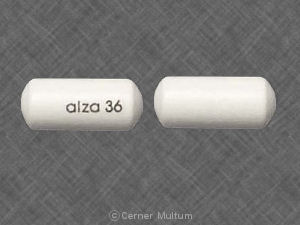
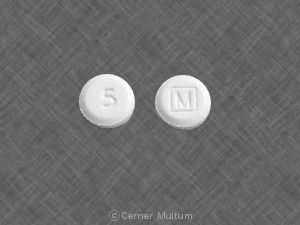
Methylphenidate (trade names Concerta, Methylin, Ritalin, Equasym XL) is a substituted phenethylamine and psychostimulant drug used for the treatment of attention-deficit hyperactivity disorder (ADHD), postural orthostatic tachycardia syndrome and narcolepsy. Methylphenidate has been studied and researched for over 50 years and has a very good efficacy and safety record for the treatment of ADHD.The original patent was owned by CIBA, now Novartis Corporation. It was first licensed by the U.S. Food and Drug Administration (FDA) in 1955 for treating what was then known as hyperactivity. Prescribed to patients beginning in 1960, the drug became heavily prescribed in the 1990s, when the diagnosis of ADHD itself became more widely accepted.
ADHD and other similar conditions are believed to be linked to sub-performance of the dopamine and norepinephrine functions in the brain, primarily in the prefrontal cortex, responsible for self-regulatory function (e.g., inhibition, motivation, and memory) and executive function (e.g., reasoning, organizing, problem solving, and planning). Methylphenidate's mechanism of action involves the inhibition of catecholamine reuptake, primarily as a dopamine reuptake inhibitor. Methylphenidate acts by blocking the dopamine transporter and norepinephrine transporter, leading to increased concentrations of dopamine and norepinephrine within the synaptic cleft.
Attention deficit hyperactivity disorder
Methylphenidate is approved by the U.S. Food and Drug Administration (FDA) for the treatment of attention deficit hyperactivity disorder.The addition of behavioural modification therapy (e.g. cognitive behavioral therapy (CBT)) has additional benefits on treatment outcome.People with ADHD have an increased risk of substance abuse, and stimulant medications reduce this risk. A 2010 study on methylphenidate for adult ADHD suggested that methylphenidate doesn't promote academic outcomes in these individuals.
The dosage used can vary quite significantly among individuals with some people responding to quite low doses, whereas others require a higher dose range; consequently, dosage should be titrated to an optimal level that achieves therapeutic benefit and minimal side-effects.
Performance-enhancing
Therapeutic doses of methylphenidate and amphetamine improve cortical network efficiency, resulting in higher performance on working memory tests in all individuals. Methylphenidate and other ADHD stimulants also improve task saliency and increase arousal
Mechanisms of ADHD
Current models of ADHD suggest that it is associated with functional impairments in some of the brain's neurotransmitter systems, particularly those involving dopamine and norepinephrine.
Pharmacology
3D space-filling modelmethylphenidate molecule
Pharmacodynamics
Methylphenidate primarily acts as a dopamine-norepinephrine reuptake inhibitor (DNRI). It is a benzylpiperidine and phenethylamine derivative which also shares part of its basic structure with catecholamines.
Methylphenidate is most active at modulating levels of dopamine and to a lesser extent norepinephrine.Methylphenidate binds to and blocks dopamine transporters and norepinephrine transporters.
Detection in biological fluids
The concentration of methylphenidate or ritalinic acid, its major metabolite, may be quantified in plasma, serum or whole blood in order to monitor compliance in those receiving the drug therapeutically, to confirm the diagnosis in potential poisoning victims or to assist in the forensic investigation in a case of fatal overdosage.
Chemistry
Four isomers of methylphenidate are known to exist. One pair of threo isomers and one pair of erythro are distinguished, from which only d-threo-methylphenidate exhibits the pharmacologically usually desired effects.
Immediate-release
A formulation by the Novartis trademark name Ritalin, is an immediate-release racemic mixture, although a variety of formulations and generic brand names exist. Generic brand names include Ritalina, Rilatine, Attenta, Medikinet, Metadate, Methylin, Penid, Tranquilyn and Rubifen. Focalin is a preparation containing only dextro-methylphenidate, rather than the usual racemic dextro- and levo-methylphenidate mixture of other formulations.
Extended-release
Extended-release tablets or capsules include:
Concerta (brand-name); Watson methylphenidate ER (US generic); Teva-Methylphenidate ER‑C (Canadian generic). Each pill is effective for 12 hours.
Sudden death has been reported in association with CNS stimulant treatment at usual doses in children and adolescents with structural cardiac abnormalities or other serious heart problems. Although some serious heart problems alone carry an increased risk of sudden death, stimulant products generally should not be used in children or adolescents with known serious structural cardiac abnormalities, cardiomyopathy, serious heart rhythm abnormalities, or other serious cardiac problems that may place them at increased vulnerability to the sympathomimetic effects of a stimulant drug.
Adults
Sudden death, stroke, and myocardial infarction have been reported in adults taking stimulant drugs at usual doses for ADHD. Although the role of stimulants in these adult cases is also unknown, adults have a greater likelihood than children of having serious structural cardiac abnormalities, cardiomyopathy, serious heart rhythm abnormalities, coronary artery disease, or other serious cardiac problems. Adults with such abnormalities should also generally not be treated with stimulant drugs.
Uses
Medical
MPH is a commonly prescribed psychostimulant and works by increasing the activity of the central nervous system. It produces such effects as increasing or maintaining alertness, combating fatigue, and improving attention.The short-term benefits and cost effectiveness of methylphenidate are well established, although long-term effects are unknown.The long term effects of methylphenidate on the developing brain are unknown. Methylphenidate is not approved for children under six years of age. Methylphenidate may also be prescribed for off-label use in treatment-resistant cases of lethargy, bipolar disorder, major depressive disorder, and obesity.
Side effects
Some adverse effects may emerge during chronic use of methylphenidate so a constant watch for adverse effects is recommended. Some adverse effects of stimulant therapy may emerge during long-term therapy, but there is very little research of the long-term effects of stimulants.The most common side effects of methylphenidate are nervousness, drowsiness and insomnia.
It's important to be aware of Ritalin warnings and precautions before beginning treatment. Let your healthcare provider know if you have any heart problems, seizures, or high blood pressure. Side effects are also possible, including increased heart rate, high blood pressure, and slow growth rate in children. Ritalin warnings and precautions also extend to people who are allergic to any components of the medicine, have tics, or have glaucoma.
Patients with an element of agitation may react adversely; discontinue therapy if necessary.
Periodic CBC, differential, and platelet counts are advised during prolonged therapy.
Drug treatment is not indicated in all cases of this behavioral syndrome and should be considered only in light of the complete history and evaluation of the child. The decision to prescribe Ritalin should depend on the physician's assessment of the chronicity and severity of the child's symptoms and their appropriateness for his/her age. Prescription should not depend solely on the presence of one or more of the behavioral characteristics.
When these symptoms are associated with acute stress reactions, treatment with Ritalin is usually not indicated.
Interactions
Intake of adrenergic agonist drugs or pemoline with methylphenidate increases the risk of liver toxicity.
When methylphenidate is coingested with ethanol, a metabolite called ethylphenidate is formed via hepatic transesterification.not unlike the hepatic formation of cocaethylene from cocaine and alcohol. The reduced potency of ethylyphenidate and its minor formation means it does not contribute to the pharmacological profile at therapeutic doses and even in overdose cases ethylphenidate concentrations remain negligible.
Coingestion of alcohol (ethanol) also increases the blood plasma levels of d-methylphenidate by up to 40%.
Overdose and toxicology
In the majority of unremarkable isolated cases MPH overdose is asymptomatic (symptomless) or only incurs minor symptoms even in children under age 6. In cases that manifest symptoms, these can typically include agitation, hallucinations, psychosis, lethargy, seizures, tachycardia, dysrhythmias, hypertension, and hyperthermia.LD50 in mice is 190 mg/kg.
Studies of reported incidents tend to show that most overdoses are unintentional and generally conclude that severe or major toxicity are comparatively rare events (none in the Michigan study of 289 incidents, 0.9% in the 2004 US national analysis with n=8336,[84] and 0.2% in the same analysis for 2010 with n=6503).
Death rates are also comparatively low (none in the Michigan study, 0.36 per 1000 with n=3 for the 2004 US national analysis, 0.15 per 1000 with n=1 for the 2010 analysis; the US national guideline approved 2007 also notes only 2 deaths reported as primarily to MPH overdose from 2000–2005
A 2008 review generally agreed these findings but noted recreation or study use was "fairly common" in US university studies and that the risk could only be said to be low "in the short term" since there was little certainty about long term effects of overdose and abuse. A 2011 Swiss study also agreed the general findings, adding a cautionary note that serious or severe outcomes such as necrosis, abscess and amputation had occurred as a result of severe toxicity at the injection site in 3 cases of abuse via arterial injection


