




 Home

- Allergies
- Acid Reflux
- ADHD
- Anxiety Disorders
- Arthritis
- Asthma
- Back Pain
- Bipolar Disorder
- Cancer
- Cholesterol
- Cold, Flu, & Cough
- COPD
- Depression
- Diabetes
- Eye Health
- Fibromyalgia
- Heart Disease
- Heartburn/GERD
- Hypertension
- Incontinence/OAB
- Migraines
- Osteoporosis
- Rheumatoid Arthritis
- Sexual Conditions
- Sleep Disorders
- Celebrity Secrets
- Skin Problems
- Multiple Sclerosis
- X-Rays
- Yellow Fever
- Yoga
- Women's Health
- Vitamins
- Weight Loss
- Wisdom Teeth
- Ultrasounds
- Transplant
- Skin Cancer
- Pain Management
- Palliative Care
- Pneumonia
- Obesity
- Mental Health
- Liver Cancer
- Lung Disease
- Labor and Delivery
- Knee Replacement Surgery
- Kidney Stones
- Jaundice
- Integrative Medicine
- Infections
- Interventional Pulmonology
- Headaches
- High blood preasure
- HIV/AIDS
- Fever
- Gestational Diabetes
- Gas
- Food Poisoning
- Oral Care
- Dengue Fever
- Ear Infections
- Diarrhea
- Dry Skin
- Cholera
- Children's Health
- Chickenpox
- Brain Diseases
- Lower Back pain
- Bone Tumors
- Anemia
- Avoidant Personality Disorder
- Aging
- Alcohol Interaction With Medication
- Burns
- Cataracts
- Chlamydia
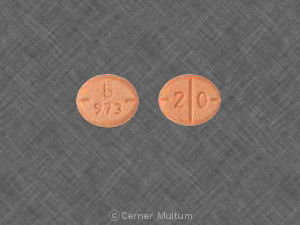
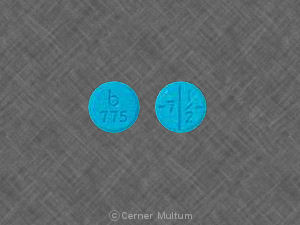
Dextroamphetamineis a potent psychostimulant and amphetamine stereoisomer prescribed for the treatment of attention deficit hyperactivity disorder (ADHD) in children and adults and the rare sleep disorder, narcolepsy. Dextroamphetamine is also widely used by military air forces as a 'go-pill' during fatigue-inducing mission profiles such as night-time bombing missions. Preparations containing dextroamphetamine were also used in World War II as a treatment against fatigue.
The amphetamine molecule has two stereoisomers:levoamphetamine and dextroamphetamine. Dextroamphetamine is the more active dextrorotatory, or "right-handed", enantiomer of the amphetamine molecule. Dextroamphetamine is available as a generic drug or under several brand names, including Dexedrine and Dextrostat. Dextroamphetamine is also the active metabolite of the prodruglisdexamfetamine.
Uses
Medical
Dexedrine Spansule 5, 10 and 15 mg capsules
Dextroamphetamine is used to treat attention deficit hyperactivity disorder (ADHD) and narcolepsy, and is sometimes prescribed off-label for its past medical indications, such as depression, obesity, and nasal congestion.Long-term amphetamine exposure in some species is known to produce abnormal dopamine system development or nerve damage,but humans experience normal development and nerve growth.Magnetic resonance imaging studies suggest that long-term treatment with amphetamine decreases abnormalities in brain structure and function found in subjects with ADHD, and improves function of the right caudate nucleus.
Reviews of clinical stimulant research have established the safety and effectiveness of long-term amphetamine use for ADHD. Controlled trials spanning two years have demonstrated continuous treatment effectiveness and safety. One review highlighted a 9 month randomized controlled trial in children that found an average increase of 4.5 IQ points and continued improvements in attention, disruptive behaviors, and hyperactivity.
Contraindications
According to the International Programme on Chemical Safety (IPCS) and United States Food and Drug Administration (USFDA),amphetamine is contraindicated in people with a history of drug abuse, heart disease, severe agitation, or severe anxiety.It is also contraindicated in people currently experiencing arteriosclerosis, glaucoma, hyperthyroidism, or severe hypertension
Psychological
Common psychological effects of therapeutic doses can include alertness, apprehension, concentration, decreased sense of fatigue, mood swings (elated mood followed by mildly depressed mood), increased initiative, insomnia or wakefulness, self-confidence, and sociability.
Dependence, addiction, and withdrawal
Addiction is a serious risk with heavy recreational amphetamine use; it is unlikely to arise from typical medical use.Tolerance develops rapidly in amphetamine abuse, so periods of extended use require increasing doses of the drug in order to achieve the same effect.
A Cochrane Collaboration review on amphetamine and methamphetamine dependence and abuse indicates that the current evidence on effective treatments is extremely limited. The review indicated that fluoxetine
AMPHETAMINES HAVE A HIGH POTENTIAL FOR ABUSE. ADMINISTRATION OF AMPHETAMINES FOR PROLONGED PERIODS OF TIME MAY LEAD TO DRUG DEPENDENCE AND MUST BE AVOIDED. PARTICULAR ATTENTION SHOULD BE PAID TO THE POSSIBILITY OF SUBJECTS OBTAINING AMPHETAMINES FOR NON-THERAPEUTIC USE OR DISTRIBUTION TO OTHERS, AND THE DRUGS SHOULD BE PRESCRIBED OR DISPENSED SPARINGLY. MISUSE OF AMPHETAMINES MAY CAUSE SUDDEN DEATH AND SERIOUS CARDIOVASCULAR ADVERSE EVENTS.
Treating attention deficit hyperactivity disorder (ADHD) in children. It is also used to treat a type of sleep disorder (narcolepsy). It may also be used for other conditions as determined by your doctor.
Dextroamphetamine is a central nervous system stimulant. Exactly how it works is not known. It affects certain chemicals in the brain, which may help to improve attention span and behavior.
Side effects
The Cochrane Collaboration review on amphetamines for ADHD suggests that dextroamphetamine and other amphetamine mixtures have the same incidence of adverse events.
Physical
At normal therapeutic doses, the physical side effects of amphetamine vary widely by age and among individual people. Cardiovascular side effects can include irregular heartbeat (usually increased heart rate), hypertension (high blood pressure) or hypotension (low blood pressure) from a vasovagal response, and Raynaud's phenomenon.Sexual side effects in males may include erectile dysfunction, frequent erections, or prolonged erections. Other potential side effects include abdominal pain, acne, blurred vision, excessive grinding of the teeth, profuse sweating, dry mouth, loss of appetite, nausea, reduced seizure threshold, tics, and weight loss.Dangerous physical side effects are rare in typical pharmaceutical doses
Before taking this medication, tell your doctor or pharmacist if you are allergic to it; or to other sympathomimetic amines (such as epinephrine, ephedrine); or if you have any other allergies. This product may contain inactive ingredients, which can cause allergic reactions or other problems. Talk to your pharmacist for more details.
Before using this medication, tell your doctor or pharmacist your medical history, especially of: blood circulation problems (such as Raynaud's disease), certain mental/mood conditions (such as severe agitation, psychosis), personal/family history of mental/mood disorders (such as bipolar disorder, depression, psychotic disorder, suicidal thoughts), heart problems (including irregular heartbeat/rhythm, coronary artery disease, heart failure
What other drugs could interact with Dexedrine?
There may be an interaction between dextroamphetamine and any of the following:
acetazolamide
antihistamines
barbiturates (e.g., phenobarbital)
beta-blockers (e.g., propranolol)
chlorpromazine
ethosuximide
guanethidine
haloperidol
hydrochlorothiazide
lithium
MAO inhibitors (e.g., phenelzine, tranylcypromine)
medications that treat high blood pressure
meperidine
methenamine
norepinephrine
other medications for ADHD
phenytoin
propoxyphene
sympathomimetic medications (e.g., epinephrine, pseudoephedrine)
tricyclic antidepressants (e.g., amitriptyline)
urinary tract acidifiers (e.g., ammonium chloride) and alkalinizers (e.g., potassium citrate)
If you are taking any of these medications, speak with your doctor or pharmacist. Depending on your specific circumstances, your doctor may want you to:
stop taking one of the medications,
change one of the medications to another,
change how you are taking one or both of the medications, or
leave everything as is.
An interaction between two medications does not always mean that you must stop taking one of them. Speak to your doctor about how any drug interactions are being managed or should be managed.
Overdose
An amphetamine overdose can lead to many different symptoms, but is rarely fatal with appropriate care.A moderate overdose may induce symptoms including brisk reflexes, confusion, high or low blood pressure, hyperthermia, inability to urinate, involuntary muscle twitching, irregular heartbeat, muscle pain, painful urination, rapid breathing, and severe agitation.An extremely large overdose may produce symptoms such as amphetamine psychosis, bleeding in the brain, cardiogenic shock, circulatory collapse, compulsive and repetitive behavior, elevated blood potassium or low blood potassium, extreme fever, fluid accumulation in the lungs, high lung arterial blood pressure, kidney failure, metabolic acidosis, no urine production, rapid muscle breakdown, respiratory alkalosis, serotonin toxidrome, and sympathomimetic toxidrome.[sources 3] Fatal amphetamine poisoning usually involves convulsions and coma


