




 Home

- Allergies
- Acid Reflux
- ADHD
- Anxiety Disorders
- Arthritis
- Asthma
- Back Pain
- Bipolar Disorder
- Cancer
- Cholesterol
- Cold, Flu, & Cough
- COPD
- Depression
- Diabetes
- Eye Health
- Fibromyalgia
- Heart Disease
- Heartburn/GERD
- Hypertension
- Incontinence/OAB
- Migraines
- Osteoporosis
- Rheumatoid Arthritis
- Sexual Conditions
- Sleep Disorders
- Celebrity Secrets
- Skin Problems
- Multiple Sclerosis
- X-Rays
- Yellow Fever
- Yoga
- Women's Health
- Vitamins
- Weight Loss
- Wisdom Teeth
- Ultrasounds
- Transplant
- Skin Cancer
- Pain Management
- Palliative Care
- Pneumonia
- Obesity
- Mental Health
- Liver Cancer
- Lung Disease
- Labor and Delivery
- Knee Replacement Surgery
- Kidney Stones
- Jaundice
- Integrative Medicine
- Infections
- Interventional Pulmonology
- Headaches
- High blood preasure
- HIV/AIDS
- Fever
- Gestational Diabetes
- Gas
- Food Poisoning
- Oral Care
- Dengue Fever
- Ear Infections
- Diarrhea
- Dry Skin
- Cholera
- Children's Health
- Chickenpox
- Brain Diseases
- Lower Back pain
- Bone Tumors
- Anemia
- Avoidant Personality Disorder
- Aging
- Alcohol Interaction With Medication
- Burns
- Cataracts
- Chlamydia
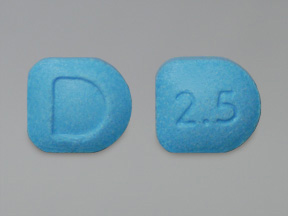
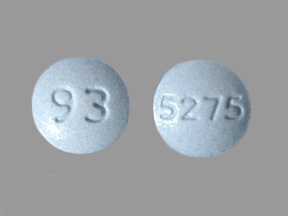
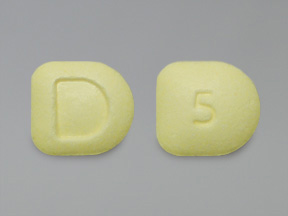
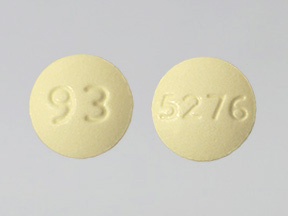
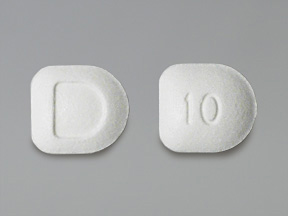
Dexmethylphenidate, otherwise known as d-threo-methylphenidate (D-TMP), is the dextrorotatory enantiomer of methylphenidate. It is a norepinephrine-dopamine reuptake inhibitor (NDRI) and thus a psychostimulant, which affects the CNS. Dexmethylphenidate is sold as Focalin by Novartis, as Attenade by Celgene and as a generic drug by Teva, Mylan, and IntelliPharmaCeutics.
It is primarily used for the treatment of ADHD, for which it is generally effective and well-tolerated. Height and weight may be reduced by stimulant therapy in children, although this is not a major concern for most young people.Rarely, treatment emergent psychosis can occur during long-term therapy with dexmethylphenidate; regular psychiatric monitoring of people who are taking methylphenidate is recommended
Adverse effects
Although the FDA has not concluded that psychostimulants increase the risk of cardiac problems in people without a heart condition, all psychostimulant labels include a warning stating that they may increase the risk of cardiovascular problems or sudden death.
Suicidal thinking has been reported in young people who are taking antidepressants at the same time they are taking an ADHD stimulant and many antidepressants carry a "black box warning" label concerning a possible increase in suicidal ideation in patients under 25 years of age.
Insomnia, dizziness, nausea, stomach pain, euphoria, headache, anxiety, anorexia, and weight loss are possible side effects of dexmethylphenidate.
Mode of activity
Methylphenidate is a catecholamine reuptake inhibitor that indirectly increases catecholaminergic neurotransmission by inhibiting the dopamine transporter (DAT) and norepinephrine transporter (NET),which are responsible for clearing catecholamines from the synapse, particularly in the striatum and meso-limbic system. Moreover, it is thought to "increase the release of these monoamines into the extraneuronal space."
Pharmacology
Dexmethylphenidate has a 4-6 hour duration of effect (a long-acting formulation, Focalin XR, which spans 12 hours is also available and has been shown to be as effective as DL-TMP XR (Concerta, Ritalin LA), with flexible dosing and good tolerability.) It has also been demonstrated to reduce ADHD symptoms in both children and adults. d-MPH has a similar side-effect profile to MPH and can be administered without regard to food intake.
Dexmethylphenidate has a chemical structure similar to a family of key brain neurotransmitters called monoamines, which include norepinephrine and dopamine.
Typical daily doses of dexmethylphenidate are around 10–20 mg for children and 20–40 mg for adults. As with all psychostimulant compounds, some individuals may respond to a small dose while others will require a larger than average dose around 40–60 mg. Therefore, dosing is usually initiated at a typical range and then titrated to suit the patient.
Legal status
Dexmethylphenidate, due to its abuse potential, is classed as a Schedule II controlled drug in the United States
Dexmethylphenidate is used as a treatment for ADHD, usually along with psychological, educational, behavioral or other forms of treatment. It is proposed that stimulants help ameliorate the symptoms of ADHD by making it easier for the user to concentrate, avoid distraction, and control behavior. Dexmethylphenidate may also improve listening skills and organization of tasks, and may help prevent tic disorders. Because it is a psychostimulant, dexmethylphenidate may also help with narcolepsy and in certain cases of major depression.
Usage
The Focalin XR capsules are sometimes prescribed over other extended release stimulants because the capsules can be opened and their contents mixed with applesauce or pudding to help children who cannot, or will not, swallow large capsules. This is possible due to the SODAS (Spheroidal Oral Drug Absorption System) delivery system, also used in Ritalin LA. Focalin XR comes in five, ten, fifteen, twenty, thirty, and forty milligram capsules. To determine appropriate dosage doctors first prescribe one to four 5 mg capsules. An appropriate treatment plan is then based on the patient's reaction to the initial dose. From there, doctors usually increase the dose by 5 mg to 10 mg until finding the right dosage.
Trouble sleeping, nervousness, nausea, stomach pain, headache, loss of appetite, weight loss, or dizziness may occur. If any of these effects persist or worsen, tell your doctor or pharmacist promptly.
Remember that your doctor has prescribed this medication because he or she has judged that the benefit to you is greater than the risk of side effects. Many people using this medication do not have serious side effects.
Tell your doctor right away if you have any serious side effects, including: numbness/pain/skin color change/sensitivity to temperature in the fingers or toes, fast/pounding/irregular heartbeat, mental/mood/behavior changes (such as agitation, aggression, mood swings, abnormal thoughts), uncontrolled muscle movements (such as twitching, shaking), sudden outbursts of words/sounds that are hard to control, vision changes (such as blurred vision).
Get medical help right away if you have any very serious side effects, including: fainting, seizure, symptoms of a heart attack (such as chest/jaw/left arm pain, shortness of breath, unusual sweating), symptoms of a stroke (such as weakness on one side of the body, slurred speech, sudden vision changes, confusion).
Rarely, males (including young boys and teens) may have a painful or prolonged erection lasting 4 or more hours while using this medication. Caregivers/parents should also be watchful for this serious side effect in boys. If a painful or prolonged erection occurs, stop using this drug and get medical help right away, or permanent problems could occur. Ask your doctor or pharmacist for more details.
A very serious allergic reaction to this drug is rare. However, get medical help right away if you notice any symptoms of a serious allergic reaction, including: rash, itching/swelling (especially of the face/tongue/throat), severe dizziness, trouble breathing.
This is not a complete list of possible side effects. If you notice other effects not listed above, contact your doctor or pharmacist
Before taking dexmethylphenidate
tell your doctor and pharmacist if you are allergic to dexmethylphenidate, methylphenidate (Concerta, Metadate, Methylin, Ritalin), or any other medications.
tell your doctor if you are taking monoamine oxidase (MAO) inhibitors, including isocarboxazid (Marplan), phenelzine (Nardil), selegiline (Eldepryl, Emsam, Zelapar), and tranylcypromine (Parnate), or if you have stopped taking them during the past 14 days. Your doctor will probably tell you not to take dexmethylphenidate until at least 14 days have passed since you last took an MAO inhibitor.
tell your doctor and pharmacist what other prescription and nonprescription medications, vitamins, nutritional supplements, and herbal products you are taking or plan to take. Be sure to mention any of the following: anticoagulants ('blood thinners') such as warfarin (Coumadin, Jantoven); antidepressants (mood elevators) such as amitriptyline (Elavil), amoxapine, clomipramine (Anafranil), desipramine (Norpramin), doxepin (Silenor), imipramine (Tofranil), nortriptyline (Aventyl, Pamelor), protriptyline (Vivactil), and trimipramine (Surmontil); decongestants (cough and cold medications); guanabenz; guanfacine; medications for high blood pressure; medications for seizures such as phenobarbital phenytoin (Dilantin), and primidone (Mysoline); methyldopa; selective serotonin reuptake inhibitors (SSRIs) such as citalopram (Celexa), fluoxetine (Prozac, Sarafem), fluvoxamine (Luvox), paroxetine (Paxil), and sertraline (Zoloft); and venlafaxine (Effexor). If you are taking the extended-release capsules, also tell your doctor if you are taking antacids, or other medications for heartburn or ulcers. Your doctor may need to change the doses of your medications or monitor you carefully for side effects.
tell your doctor if you or anyone in your family has or has ever had Tourette's syndrome (a condition characterized by the need to perform repeated motions or to repeat sounds or words), facial or motor tics (repeated uncontrollable movements), or verbal tics (repetition of sounds or words that is hard to control). Also tell your doctor if you have glaucoma, or feelings of anxiety, tension, or agitation. Your doctor will probably tell you not to take dexmethylphenidate.tell your doctor if anyone in your family has or has ever had an irregular heartbeat or has died suddenly. Also tell your doctor if you have recently had a heart attack and if you have or have ever had a heart defect, high blood pressure, an irregular heartbeat, heart or blood vessel disease, hardening of the arteries; or other heart problems. Your doctor will examine you to see if your heart and blood vessels are healthy. Your doctor will probably tell you not to take dexmethylphenidate if you have a heart condition or if there is a high risk that you may develop a heart condition.
tell your doctor if you or anyone in your family has or has ever had depression, bipolar disorder (mood that changes from depressed to abnormally excited), mania (frenzied, abnormally excited mood), or has thought about or attempted suicide. Also tell your doctor if you have or have ever had circulation problems in your fingers or toes; depression; mental illness; seizures; an abnormal electroencephalogram (EEG; a test that measures electrical activity in the brain); or thyroid disease.
tell your doctor if you are pregnant, plan to become pregnant, or are breast-feeding. If you become pregnant while taking dexmethylphenidate, call your doctor.
you should know that dexmethylphenidate should be used as part of a total treatment program for ADHD, which may include counseling and special education. Make sure to follow all of your doctor's and/or therapist's instructions.
Interactions
Dexmethylphenidate should not be used by those who have taken a monoamine oxidase inhibitor (MAOI) such as isocarboxazid (Marplan), phenelzine (Nardil), rasagiline (Azilect), selegiline (Eldepryl, Emsam), or tranylcypromine (Parnate) in the past 14 days. The use of dexmethylphenidate by a person chronically taking an MAOI is a medical emergency and should be treated immediately.
If overdose is suspected, contact a poison control center or emergency room immediately. Symptoms of overdose may include: vomiting, agitation, confusion, sweating, flushing, muscle twitching, hallucinations, seizures, loss of consciousness.
Notes
Do not share this medication with others. It is against the law.
Laboratory and/or medical tests (such as blood pressure, complete blood count, height/weight monitoring in children) may be performed periodically to monitor your progress or check for side effects. Consult your doctor for more details.
Missed Dose
If you miss a dose, take it as soon as you remember. If it is near bedtime or near the time of the next dose, skip the missed dose and resume your usual dosing schedule. Do not double the dose to catch up.
Storage
Store at room temperature away from light and moisture. Do not store in the bathroom. Keep all medications away from children and pets.
Do not flush medications down the toilet or pour them into a drain unless instructed to do so. Properly discard this product when it is expired or no longer needed. Consult your pharmacist or local waste disposal company.
Information last revised March 2014. Copyright(c) 2014 First Databank, Inc.


