




 Home

- Allergies
- Acid Reflux
- ADHD
- Anxiety Disorders
- Arthritis
- Asthma
- Back Pain
- Bipolar Disorder
- Cancer
- Cholesterol
- Cold, Flu, & Cough
- COPD
- Depression
- Diabetes
- Eye Health
- Fibromyalgia
- Heart Disease
- Heartburn/GERD
- Hypertension
- Incontinence/OAB
- Migraines
- Osteoporosis
- Rheumatoid Arthritis
- Sexual Conditions
- Sleep Disorders
- Celebrity Secrets
- Skin Problems
- Multiple Sclerosis
- X-Rays
- Yellow Fever
- Yoga
- Women's Health
- Vitamins
- Weight Loss
- Wisdom Teeth
- Ultrasounds
- Transplant
- Skin Cancer
- Pain Management
- Palliative Care
- Pneumonia
- Obesity
- Mental Health
- Liver Cancer
- Lung Disease
- Labor and Delivery
- Knee Replacement Surgery
- Kidney Stones
- Jaundice
- Integrative Medicine
- Infections
- Interventional Pulmonology
- Headaches
- High blood preasure
- HIV/AIDS
- Fever
- Gestational Diabetes
- Gas
- Food Poisoning
- Oral Care
- Dengue Fever
- Ear Infections
- Diarrhea
- Dry Skin
- Cholera
- Children's Health
- Chickenpox
- Brain Diseases
- Lower Back pain
- Bone Tumors
- Anemia
- Avoidant Personality Disorder
- Aging
- Alcohol Interaction With Medication
- Burns
- Cataracts
- Chlamydia
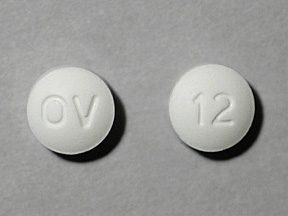
Methamphetamine (pronunciation: /ˌmɛθæmˈfɛtəmi�n/; contracted from N-methyl-alpha-methylphenethylamine) is a neurotoxin and potent psychostimulant of the phenethylamine and amphetamine classes that is used as a recreational drug and, rarely, to treat attention deficit hyperactivity disorder (ADHD) and obesity. Methamphetamine exists as two enantiomers, dextrorotary and levorotary.[note 2] Dextromethamphetamine is a stronger central nervous system (CNS) stimulant than levomethamphetamine; however, both are addictive and produce the same toxicity symptoms at high doses.
In the United States, methamphetamine hydrochloride, under the trade name Desoxyn, has been approved by the USFDA for treating ADHD and exogenous obesity (obesity originating from factors outside of the patient's control) in both adults and children;however, the USFDA also indicates that the limited therapeutic usefulness of methamphetamine should be weighed against the inherent risks associated with its use.
Contraindications
Methamphetamine is contraindicated in individuals with a history of drug abuse, heart disease, or severe agitation or anxiety, or in individuals currently experiencing arteriosclerosis, glaucoma, hyperthyroidism, or severe hypertensionb
Physical
The physical effects of methamphetamine can include anorexia, hyperactivity, dilated pupils, flushed skin, excessive sweating, increased movement, dry mouth and bruxism (leading to "meth mouth"), headache, irregular heartbeat (usually as accelerated heartbeat or slowed heartbeat), rapid breathing, high blood pressure, low blood pressure, high body temperature, diarrhea, constipation, blurred vision, dizziness, twitching, numbness, tremors, dry skin, acne, and pallor
Psychological
The psychological effects of methamphetamine can include euphoria, dysphoria, changes in libido, alertness, apprehension, concentration, decreased sense of fatigue, insomnia or wakefulness, self-confidence, sociability, irritability, restlessness, grandiosity and repetitive and obsessive behaviors.Methamphetamine use also has a high association with anxiety, depression, methamphetamine psychosis, suicide, and violent behaviors. Methamphetamine also has a very high addiction risk.
Neurotoxicity
Unlike amphetamine, methamphetamine is directly neurotoxic to dopamine neurons.Moreover, methamphetamine abuse is associated with an increased risk of Parkinson's disease due to excessive pre-synaptic dopamine autoxidation, a mechanism of neurotoxicity.
Pharmacokinetics
Following oral administration, methamphetamine is well-absorbed into the bloodstream, with peak plasma methamphetamine concentrations achieved in approximately 3.13–6.3 hours post ingestion. Methamphetamine is also well absorbed following inhalation and following intranasal administration.Due to the high lipophilicity of methamphetamine, it can readily move through the blood brain barrier faster than other stimulants, where it is more resistant to degradation by monoamine oxidase.
History, society, and culture
A 1970 advertisement for Obetrol, a mixture of amphetamine and methamphetamine salts
Amphetamine, discovered before methamphetamine, was first synthesized in 1887 in Germany by Romanian chemist Lazăr Edeleanu who named it phenylisopropylamine.Shortly after, methamphetamine was synthesized from ephedrine in 1893 by Japanese chemist Nagai Nagayoshi.
Misuse or abuse of amphetamines may result in serious (possibly fatal) heart and blood pressure problems. Amphetamine-type medications can be habit-forming. Use only as directed. With long-term use, drug dependence may occur, which may cause withdrawal symptoms after stopping the drug. For weight loss, this medication should not be used long-term (more than a few weeks) and should only be used when other treatments have failed. Consult your doctor or pharmacist for more details.
Methamphetamine is a stimulant and is used to treat a certain attention disorder (attention deficit hyperactivity disorder-ADHD) as part of a total treatment plan, including psychological, educational, and social treatments. It may help increase the ability to pay attention, concentrate, and stop fidgeting.
This medication is also used along with a doctor-approved, reduced-calorie diet as an aid to help significantly overweight (obese) people lose weight. It should only be used for a short time (a few weeks) in patients who have not lost enough weight with other treatments (e.g., dieting, other drugs, group programs). It may work by decreasing your appetite.
This medication should not be used to treat tiredness or to hold off sleep in people who do not have a sleep disorder.
How to use methamphetamine
Read the Medication Guide provided by your pharmacist before you start using methamphetamine and each time you get a refill. If you have any questions, consult your doctor or pharmacist.
For ADHD, take this medication by mouth with or without food, usually once or twice daily or as directed by your doctor. During treatment, your doctor may occasionally recommend stopping the medication for a short time to see whether there are any changes in your behavior and whether the medication is still needed.
For weight loss, take this medication by mouth, usually half an hour before each meal or as directed by your doctor. Take this medication exactly as prescribed.
Do not take this medication late in the evening because it may cause you to have trouble sleeping.
This medication may cause withdrawal reactions, especially if it has been used regularly for a long time or in high doses. In such cases, withdrawal symptoms (such as extreme tiredness, mental/mood changes such as agitation) may occur if you suddenly stop using this medication. To prevent withdrawal reactions, your doctor may reduce your dose gradually. Consult your doctor or pharmacist for more details, and report any withdrawal reactions immediately.
Though very unlikely, abnormal drug-seeking behavior (addiction) is possible with this medication. Do not increase your dose, take it more frequently, or take it for a longer time than prescribed. Properly stop the medication when so directed.
When used for an extended period, this medication may not work as well and may require different dosing (if taken for ADHD) or stopping the medication (if taken for weight loss). Talk with your doctor if this medication stops working well.
Inform your doctor if your condition persists or worsens.
Dry mouth, nausea, upset stomach, diarrhea, constipation, dizziness, weight loss, trouble sleeping, or headache may occur. If any of these effects persist or worsen, notify your doctor promptly.
Remember that your doctor has prescribed this medication because he or she has judged that the benefit to you is greater than the risk of side effects. Many people using this medication do not have serious side effects.
Tell your doctor right away if you have any serious side effects, including: blurred vision, numbness/pain/skin color change/sensitivity to temperature in the fingers or toes, swelling of ankles/feet, rapid/unexplained weight loss, fast/irregular heartbeat, mental/mood/behavior changes (e.g., agitation, aggression, mood swings, depression, abnormal thoughts), uncontrolled movements (e.g., muscle twitching/shaking), outbursts of words/sounds, change in sexual ability/interest, frequent/prolonged erections (in males).
Seek immediate medical attention if any of these rare but very serious side effects occur: shortness of breath, chest/jaw/left arm pain, fainting, seizures, weakness on one side of the body, slurred speech, confusion.
A very serious allergic reaction to this drug is rare. However, seek immediate medical attention if you notice any symptoms of a serious allergic reaction, including: rash, itching/swelling (especially of the face/tongue/throat), severe dizziness, trouble breathing.
This is not a complete list of possible side effects. If you notice other effects not listed above, contact your doctor or pharmacist.
Before taking methamphetamine, tell your doctor or pharmacist if you are allergic to it; or to other sympathomimetic amines (e.g., dextroamphetamine); or if you have any other allergies. This product may contain inactive ingredients, which can cause allergic reactions or other problems. Talk to your pharmacist for more details.
This medication should not be used if you have certain medical conditions. Before using this medicine, consult your doctor or pharmacist if you have: glaucoma, heart/blood vessel disease (e.g., coronary artery disease, angina, irregular heartbeat, valve disorders, heart failure, cardiomyopathy), problems with heart structure (e.g., valve problems), history of heart attack or stroke, moderate or severe high blood pressure (hypertension), overactive thyroid (hyperthyroidism), personal or family history of regular use/abuse of drugs/alcohol, certain mental/mood conditions (e.g., severe agitation, unusual/unrealistic thoughts, psychosis).
Before using this medication, tell your doctor or pharmacist your medical history, especially of: blood circulation problems (such as Raynaud's disease), diabetes, mild high blood pressure (hypertension), personal or family history of uncontrolled movements or outbursts of words/sounds (e.g., due to Tourette's syndrome), family history of sudden death/irregular heartbeat, family/personal history of mental/mood disorders (e.g., bipolar disorder, depression, psychotic disorder, suicidal thoughts), seizures.
This drug may make you dizzy. Do not drive, use machinery, or do any activity that requires alertness until you are sure you can perform such activities safely. Limit alcoholic beverages.
If you have diabetes, check your blood sugar levels regularly as directed by your doctor. Your doctor may need to adjust your diabetes medication during treatment with this drug.
Before having surgery, tell your doctor or dentist that you are taking this medication.
Older adults may be more sensitive to the side effects of this drug, especially chest pain, trouble sleeping, or weight loss.
Caution is advised when using this drug in children because it may affect weight, growth rate, and final height. The doctor may recommend temporarily stopping the medication from time to time to reduce this risk. Monitor your child's weight and height, and consult your doctor or pharmacist for more details.
During pregnancy, this medication should be used only when clearly needed. Infants born to mothers who are dependent on this medication may be born too soon (premature) and have low birth weight. Discuss the risks and benefits with your doctor. They may also have withdrawal symptoms such as irritability, abnormal/persistent crying, or unusual tiredness. Tell your doctor immediately if you notice any of these symptoms in your newborn.
This drug passes into breast milk and could have undesirable effects on a nursing infant. Therefore, breast-feeding is not recommended while using this drug. Consult your doctor before breast-feeding.
Your doctor or pharmacist may already be aware of any possible drug interactions and may be monitoring you for them. Do not start, stop, or change the dosage of any medicine before checking with your doctor or pharmacist first.
Taking MAO inhibitors with this medication may cause a serious (possibly fatal) drug interaction. Avoid taking MAO inhibitors (isocarboxazid, linezolid, methylene blue, moclobemide, phenelzine, procarbazine, rasagiline, selegiline, tranylcypromine) during treatment with this medication. Most MAO inhibitors should also not be taken for two weeks before treatment with this medication. Ask your doctor when to start or stop taking this medication.
Before using this medication, tell your doctor or pharmacist of all prescription and nonprescription/herbal products you may use, especially of: antidepressants (e.g., venlafaxine, tricyclic antidepressants such as amitriptyline, SSRIs such as fluoxetine), medications for high blood pressure (e.g., guanethidine, beta blockers such as atenolol), medications that affect the acid level of the urine (e.g., sodium bicarbonate, acetazolamide), other stimulant medications (e.g., methylphenidate), phenothiazines (e.g., chlorpromazine, thioridazine).
Check the labels on all your medicines (e.g., cough-and-cold products, diet aids) because they may contain ingredients that could increase your heart rate or blood pressure. Ask your pharmacist about using those products safely.
Also report the use of drugs that might increase seizure risk when combined with this medication such as isoniazid (INH), phenothiazines (e.g., thioridazine), theophylline, or tricyclic antidepressants (e.g., amitriptyline), among others. Consult your doctor or pharmacist for details.
This medication may interfere with certain medical/laboratory tests (including brain scan for Parkinson's disease, corticosteroid levels), possibly causing false test results. Make sure laboratory personnel and all your doctors know you use this drug.
This document does not contain all possible interactions. Therefore, before using this product, tell your doctor or pharmacist of all the products you use. Keep a list of all your medications with you, and share the list with your doctor and pharmacist.
If overdose is suspected, contact a poison control center or emergency room immediately.Symptoms of overdose may include: restlessness, shaking (tremor), fast breathing, mental/mood changes, irregular heartbeat, muscle pain/tenderness, weakness, nausea, vomiting, change in the amount of urine.
Notes
Do not share this medication with others. It is against the law.
This medication may raise your blood pressure. Laboratory and/or medical tests (e.g., blood pressure, heart rate, growth monitoring in children) may be performed to check for side effects. Consult your doctor for more details.
Missed Dose
If you miss a dose, take it as soon as you remember. If it is near the time of the next dose, skip the missed dose and resume your usual dosing schedule. Do not double the dose to catch up.
Storage
Store at room temperature below 86 degrees F (30 degrees C) away from light and moisture. Do not store in the bathroom. Keep all medicines away from children and pets.
Do not flush medications down the toilet or pour them into a drain unless instructed to do so. Properly discard this product when it is expired or no longer needed. Consult your pharmacist or local waste disposal company for more details about how to safely discard your product.
Information last revised January 2014. Copyright(c) 2014 First Databank, Inc.


