




 Home

- Allergies
- Acid Reflux
- ADHD
- Anxiety Disorders
- Arthritis
- Asthma
- Back Pain
- Bipolar Disorder
- Cancer
- Cholesterol
- Cold, Flu, & Cough
- COPD
- Depression
- Diabetes
- Eye Health
- Fibromyalgia
- Heart Disease
- Heartburn/GERD
- Hypertension
- Incontinence/OAB
- Migraines
- Osteoporosis
- Rheumatoid Arthritis
- Sexual Conditions
- Sleep Disorders
- Celebrity Secrets
- Skin Problems
- Multiple Sclerosis
- X-Rays
- Yellow Fever
- Yoga
- Women's Health
- Vitamins
- Weight Loss
- Wisdom Teeth
- Ultrasounds
- Transplant
- Skin Cancer
- Pain Management
- Palliative Care
- Pneumonia
- Obesity
- Mental Health
- Liver Cancer
- Lung Disease
- Labor and Delivery
- Knee Replacement Surgery
- Kidney Stones
- Jaundice
- Integrative Medicine
- Infections
- Interventional Pulmonology
- Headaches
- High blood preasure
- HIV/AIDS
- Fever
- Gestational Diabetes
- Gas
- Food Poisoning
- Oral Care
- Dengue Fever
- Ear Infections
- Diarrhea
- Dry Skin
- Cholera
- Children's Health
- Chickenpox
- Brain Diseases
- Lower Back pain
- Bone Tumors
- Anemia
- Avoidant Personality Disorder
- Aging
- Alcohol Interaction With Medication
- Burns
- Cataracts
- Chlamydia
Medical
MPH is a commonly prescribed psychostimulant and works by increasing the activity of the central nervous system. It produces such effects as increasing or maintaining alertness, combating fatigue, and improving attention.
Attention deficit hyperactivity disorder
Methylphenidate is approved by the U.S. Food and Drug Administration (FDA) for the treatment of attention deficit hyperactivity disorder.The addition of behavioural modification therapy (e.g. cognitive behavioral therapy (CBT)) has additional benefits on treatment outcome. People with ADHD have an increased risk of substance abuse, and stimulant medications reduce this risk. A 2010 study on methylphenidate for adult ADHD suggested that methylphenidate doesn't promote academic outcomes in these individuals.
The dosage used can vary quite significantly among individuals with some people responding to quite low doses, whereas others require a higher dose range; consequently, dosage should be titrated to an optimal level that achieves therapeutic benefit and minimal side-effects.
Mechanisms of ADHD
Current models of ADHD suggest that it is associated with functional impairments in some of the brain's neurotransmitter systems,particularly those involving dopamine and norepinephrine.Psychostimulants like methylphenidate and amphetamine may be effective in treating ADHD because they increase neurotransmitter activity in these systems.Approximately 70% of those who use these stimulants see improvements in ADHD symptoms.Children with ADHD who use stimulant medications generally have better relationships with peers and family members, generally perform better in school, are less distractible and impulsive, and have longer attention spans.
Studies confirm that biological and genetic differences of the kinds predicted by low arousal theory are clearly visible in ADHD individuals, and have been confirmed both genetically and by in vivo scans of ADHD affected brains. MRI scans have revealed that people with ADHD show differences from non-ADHD individuals in brain regions important for attention regulation and control of impulsive behavior. Methylphenidate's cognitive enhancement effects have been investigated using fMRI scans even in non-ADHD brains, which revealed modulation of brain activity in ways that enhance mental focus. Methylphenidate increases activity in the prefrontal cortex and attention-related areas of the parietal cortex during challenging mental tasks. Methylphenidate also increased deactivation of default network regions during the task.
Aggression and criminality
Two studies state that methylphenidate is indicated for the treatment of ADHD in adults with a history of aggressive and criminal behavior. A large clinical study conducted in Sweden found a significant reduction of the criminality rate in males (32%) and females (42%) as compared with the rate for the same patients while not receiving medication.Some of these clinical outcomes have been confirmed in similar studies with children and adolescents.
Narcolepsy
Narcolepsy, a chronic sleep disorder characterized by overwhelming daytime drowsiness and sudden need for sleep, is treated primarily with stimulants. Methylphenidate is considered effective in increasing wakefulness, vigilance, and performance. Methylphenidate improves measures of somnolence on standardized tests, such as the Multiple Sleep Latency Test, but performance does not improve to levels comparable to healthy controls.
Misuse or abuse of methylphenidate can result in serious (possibly fatal) heart and blood pressure problems.
This medication can be habit-forming and should be used cautiously by people who have mental/mood disorders or a history of alcohol/drug abuse. Before taking this medication, tell your doctor if you have abused or been dependent on drugs or alcohol. Do not increase your dose, take it more often, or take it for a longer time or in a different way than prescribed. Doing so may result in a decrease in the effect of this drug, drug dependence, or abnormal thoughts/behavior.
Your doctor may monitor you for a while after the medication is stopped, especially if you have taken this drug for a long time or in high doses.
Methylphenidate is used as part of a treatment program (including psychological, educational, and social measures) to treat attention deficit hyperactivity disorder - ADHD. It can help increase your ability to pay attention, stay focused on an activity, and control behavior problems. It may also help you to organize your tasks and improve listening skills. Methylphenidate is a mild stimulant that is thought to work by changing the amounts of certain natural substances in the brain.
OTHER USES: This section contains uses of this drug that are not listed in the approved professional labeling for the drug but that may be prescribed by your health care professional. Use this drug for a condition that is listed in this section only if it has been so prescribed by your health care professional.
This medication may also be used to treat a certain sleep disorder (narcolepsy).
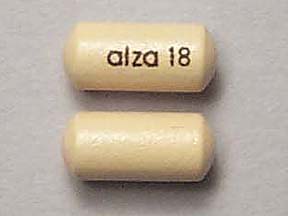
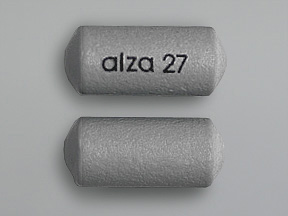
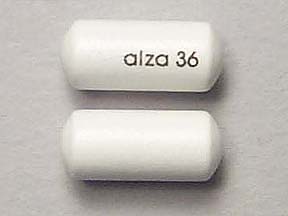
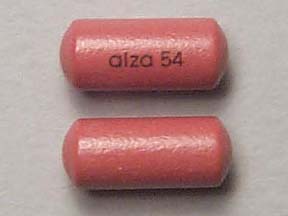
How to use Concerta
Read the Medication Guide provided by your pharmacist before you start taking methylphenidate and each time you get a refill. If you have any questions, ask your doctor or pharmacist.
Take this medication by mouth with or without food as directed by your doctor, usually once daily in the morning. Taking this medication late in the day may cause trouble sleeping (insomnia).
Swallow this medication with a full glass of liquid (8 ounces/240 milliliters). Do not crush or chew this medication. Doing so can release all of the drug at once, increasing the risk of side effects. Also, do not split the tablets unless they have a score line and your doctor or pharmacist tells you to do so. Swallow the whole or split tablet without crushing or chewing.
Take this medication regularly to get the most benefit from it. To help you remember, take it at the same time each day.
The dosage is based on your medical condition and response to treatment. Your doctor may direct you to gradually increase or decrease your dose. Also, if you have used it for a long time, do not suddenly stop using this drug without consulting your doctor.
This medication may cause withdrawal reactions, especially if it has been used regularly for a long time or in high doses. In such cases, withdrawal symptoms (such as depression, suicidal thoughts, or other mental/mood changes) may occur if you suddenly stop using this medication. To prevent withdrawal reactions, your doctor may reduce your dose gradually. Consult your doctor or pharmacist for more details, and report any withdrawal reactions immediately.
When used for a long time, this medication may not work as well. Talk with your doctor if this medication stops working well.
Along with its benefits, this medication may rarely cause abnormal drug-seeking behavior (addiction). This risk may be increased if you have abused alcohol or drugs in the past. Take this medication exactly as prescribed to lessen the risk of addiction.
Tell your doctor if your condition does not improve or if it worsens.
Nervousness, trouble sleeping, loss of appetite, weight loss, dizziness, nausea, vomiting, or headache may occur. If any of these effects persist or worsen, tell your doctor or pharmacist promptly.
An empty tablet shell may appear in your stool. This effect is harmless because your body has already absorbed the medication.
Remember that your doctor has prescribed this medication because he or she has judged that the benefit to you is greater than the risk of side effects. Many people using this medication do not have serious side effects.
Tell your doctor right away if you have any serious side effects, including: numbness/pain/skin color change/sensitivity to temperature in the fingers or toes, fast/pounding/irregular heartbeat, mental/mood/behavior changes (such as agitation, aggression, mood swings, abnormal thoughts), uncontrolled muscle movements (such as twitching, shaking), sudden outbursts of words/sounds that are hard to control, vision changes (such as blurred vision).
Get medical help right away if you have any very serious side effects, including: fainting, seizure, symptoms of a heart attack (such as chest/jaw/left arm pain, shortness of breath, unusual sweating), symptoms of a stroke (such as weakness on one side of the body, slurred speech, sudden vision changes, confusion).
Rarely, males (including young boys and teens) may have a painful or prolonged erection lasting 4 or more hours while using this medication. Caregivers/parents should also be watchful for this serious side effect in boys. If a painful or prolonged erection occurs, stop using this drug and get medical help right away, or permanent problems could occur. Ask your doctor or pharmacist for more details.
A very serious allergic reaction to this drug is rare. However, get medical help right away if you notice any symptoms of a serious allergic reaction, including: rash, itching/swelling (especially of the face/tongue/throat), severe dizziness, trouble breathing.
This is not a complete list of possible side effects. If you notice other effects not listed above, contact your doctor or pharmacist.
Before taking methylphenidate, tell your doctor or pharmacist if you are allergic to it; or to dexmethylphenidate; or if you have any other allergies. This product may contain inactive ingredients, which can cause allergic reactions or other problems. Talk to your pharmacist for more details.
Before using this medication, tell your doctor or pharmacist your medical history, especially of: high blood pressure, blood circulation problems (such as Raynaud's disease), glaucoma, heart problems (such as irregular heartbeat, heart failure, previous heart attack, problems with heart structure), family history of heart problems (such as sudden cardiac death, irregular heartbeat), mental/mood conditions (especially anxiety, tension, agitation), personal/family history of mental/mood disorders (such as bipolar disorder, depression, psychosis), personal/family history of uncontrolled muscle movements (motor tics, Tourette's syndrome), overactive thyroid (hyperthyroidism), seizure disorder, throat/stomach/intestinal problems (such as narrowing/blockage).
This drug may make you dizzy. Do not drive, use machinery, or do any activity that requires alertness until you are sure you can perform such activities safely. Limit alcoholic beverages.
Before having surgery, tell your doctor or dentist about all the products you use (including prescription drugs, nonprescription drugs, and herbal products).
If used for a long time, this drug may affect a child's growth rate, weight, and final adult height. To reduce the risk, the doctor may recommend briefly stopping the medication from time to time. Check the child's weight and height regularly, and consult your doctor or pharmacist for more details.
Older adults may be more sensitive to the side effects of this drug, especially trouble sleeping, weight loss, or chest pain.
During pregnancy, methylphenidate should be used only when clearly needed. Discuss the risks and benefits with your doctor.
This medication passes into breast milk. Consult your doctor before breast-feeding.
Drug interactions may change how your medications work or increase your risk for serious side effects. This document does not contain all possible drug interactions. Keep a list of all the products you use (including prescription/nonprescription drugs and herbal products) and share it with your doctor and pharmacist. Do not start, stop, or change the dosage of any medicines without your doctor's approval.
Taking MAO inhibitors with this medication may cause a serious (possibly fatal) drug interaction. Avoid taking MAO inhibitors (isocarboxazid, linezolid, methylene blue, moclobemide, phenelzine, procarbazine, rasagiline, selegiline, tranylcypromine) during treatment with this medication. Most MAO inhibitors should also not be taken for two weeks before treatment with this medication. Ask your doctor when to start or stop taking this medication.
Methylphenidate is very similar to dexmethylphenidate. Do not use medications containing dexmethylphenidate while using methylphenidate.
This medication may interfere with certain medical/laboratory tests (including brain scan for Parkinson's disease), possibly causing false test results. Make sure laboratory personnel and all your doctors know you use this drug.
If overdose is suspected, contact a poison control center or emergency room immediately. Symptoms of overdose may include: vomiting, agitation, confusion, sweating, flushing, muscle twitching, hallucinations, seizures, loss of consciousness.
Notes
Do not share this medication with others. It is against the law.
Laboratory and/or medical tests (such as blood pressure, complete blood count, height/weight monitoring in children) may be performed periodically to monitor your progress or check for side effects. Consult your doctor for more details.
There are different brands and forms of this medication available. Not all have the same effects. Do not change brands or forms without consulting your doctor or pharmacist.
Missed Dose
If you miss a dose, take it as soon as you remember. If it is near bedtime or near the time of the next dose, skip the missed dose and resume your usual dosing schedule. Do not double the dose to catch up.
Storage
Store this medication at room temperature away from light and moisture. Do not store in the bathroom. Keep all medications away from children and pets.
Do not flush medications down the toilet or pour them into a drain unless instructed to do so. Properly discard this product when it is expired or no longer needed. Consult your pharmacist or local waste disposal company.
Information last revised March 2014. Copyright(c) 2014 First Databank, Inc.


