




 Home

- Allergies
- Acid Reflux
- ADHD
- Anxiety Disorders
- Arthritis
- Asthma
- Back Pain
- Bipolar Disorder
- Cancer
- Cholesterol
- Cold, Flu, & Cough
- COPD
- Depression
- Diabetes
- Eye Health
- Fibromyalgia
- Heart Disease
- Heartburn/GERD
- Hypertension
- Incontinence/OAB
- Migraines
- Osteoporosis
- Rheumatoid Arthritis
- Sexual Conditions
- Sleep Disorders
- Celebrity Secrets
- Skin Problems
- Multiple Sclerosis
- X-Rays
- Yellow Fever
- Yoga
- Women's Health
- Vitamins
- Weight Loss
- Wisdom Teeth
- Ultrasounds
- Transplant
- Skin Cancer
- Pain Management
- Palliative Care
- Pneumonia
- Obesity
- Mental Health
- Liver Cancer
- Lung Disease
- Labor and Delivery
- Knee Replacement Surgery
- Kidney Stones
- Jaundice
- Integrative Medicine
- Infections
- Interventional Pulmonology
- Headaches
- High blood preasure
- HIV/AIDS
- Fever
- Gestational Diabetes
- Gas
- Food Poisoning
- Oral Care
- Dengue Fever
- Ear Infections
- Diarrhea
- Dry Skin
- Cholera
- Children's Health
- Chickenpox
- Brain Diseases
- Lower Back pain
- Bone Tumors
- Anemia
- Avoidant Personality Disorder
- Aging
- Alcohol Interaction With Medication
- Burns
- Cataracts
- Chlamydia
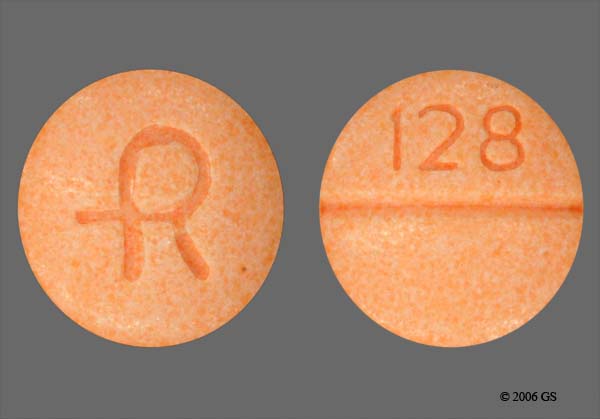

Clonidine (trade names Catapres, Kapvay, Nexiclon and others) is a sympatholytic medication used to treat high blood pressure, attention-deficit/hyperactivity disorder, anxiety disorders, withdrawal (from either alcohol, opioids or smoking), migraine, menopausal flushing, diarrhoea and certain pain conditions.It is classified as a centrally acting α2 adrenergic agonist and imidazoline receptor agonist that has been in clinical use for over 40 years
Medical uses
The US Food and Drug Administration (FDA) has approved clonidine, like guanfacine, for the treatment of attention-deficit/hyperactivity disorder (ADHD), alone or with stimulants in 2010, for pediatric patients aged 6-17 years. In Australia, clonidine is an accepted but not approved use for ADHD by the TGA. Clonidine along with methylphenidate has been studied for treatment of ADHD.Some studies show clonidine to be slightly less effective than guanfacine for ADHD. Clonidine can be used in the treatment of Tourette syndrome (specifically for tics)
Clonidine suppression test
Clonidine's effect on reducing circulating epinephrine by a central mechanism was used in the past as an investigatory test for phaeochromocytoma, which is a catecholamine-synthesizing tumour, usually of the adrenal medulla.In a clonidine suppression test plasma catecholamines levels are measured before and 3 hours after a 0.3 mg oral test dose has been given to somebody. A positive test occurs if there is no decrease in plasma levels.
Pregnancy
Clonidine is classed by the FDA as pregnancy category C. It is classified by the TGA of Australia as pregnancy category B3, which means that it has shown some detrimental effects on foetal development in animal studies, although the relevance of this to human beings is unknown. Additionally, clonidine can pass into breast milk and may harm a nursing baby. Therefore, caution is warranted in women who are pregnant, planning to become pregnant, or are breastfeeding.
Patients should be instructed not to discontinue therapy without consulting their physician. Sudden cessation of clonidine treatment has, in some cases, resulted in symptoms such as nervousness, agitation, headache, and tremor accompanied or followed by a rapid rise in blood pressure and elevated catecholamine concentrations in the plasma. The likelihood of such reactions to discontinuation of clonidine therapy appears to be greater after administration of higher doses or continuation of concomitant beta-blocker treatment and special caution is therefore advised in these situations. Rare instances of hypertensive encephalopathy, cerebrovascular accidents and death have been reported after clonidine withdrawal. When discontinuing therapy with Catapres (clonidine hydrochloride, USP) tablets, the physician should reduce the dose gradually over 2 to 4 days to avoid withdrawal symptomatology.
An excessive rise in blood pressure following discontinuation of Catapres (clonidine) tablets therapy can be reversed by administration of oral clonidine hydrochloride or by intravenous phentolamine. If therapy is to be discontinued in patients receiving a beta-blocker and clonidine concurrently, the beta-blocker should be withdrawn several days before the gradual discontinuation of Catapres (clonidine) tablets.
Treating high blood pressure. It may be used alone or with other medicines. It may also be used for other conditions as determined by your doctor.
Clonidine tablets is an alpha agonist. It works by relaxing blood vessels and decreasing heart rate, which lowers blood pressure.Do NOT use clonidine if:
you are allergic to any ingredient in clonidine
you have bleeding problems
you have an infection at the injection site
you are taking an anticoagulant (eg, warfarin, heparin)
Contact your doctor or health care provider right away if any of these apply to you.
Slideshow: Fact or Fiction? The Top 15 Osteoarthritis Myths
Fact or Fiction? The Top 15 Osteoarthritis Myths
Before using clonidine:
Some medical conditions may interact with clonidine. Tell your doctor or pharmacist if you have any medical conditions, especially if any of the following apply to you:
if you are pregnant, planning to become pregnant, or are breast-feeding
if you are taking any prescription or nonprescription medicine, herbal preparation, or dietary supplement
if you have allergies to medicines, foods, or other substances
Clonidine is the generic name of a medication used to treat high blood pressure. Clonidine works by slowing down your heart rate and relaxing blood vessels. You can take clonidine alone or in combination with other medications to lower blood pressure. Clonidine is in a class of medications called centrally acting alpha-agonist hypotensive agents.
The Food and Drug Administration (FDA) approved clonidine in 1974 for the drug company Boehringer Ingelheim under the brand name Catapres. The FDA approved generic forms of clonidine in 2009 for several drug companies. Kapvay is another brand name for clonidine.
What is the most important information I should know about clonidine (Catapres)?
Before you take clonidine, tell your doctor if you have heart disease or severe coronary artery disease, a heart rhythm disorder, slow heartbeats, low blood pressure, a history of heart attack or stroke, kidney disease, or if you have ever had an allergic reaction to a clonidine transdermal skin patch (Catapres TTS).
Do not take two forms of clonidine at the same time.
If you need surgery, tell the surgeon ahead of time that you are using clonidine. You may need to stop using the medicine for a short time.
Do not stop using clonidine suddenly, or you could have unpleasant withdrawal symptoms. Ask your doctor how to avoid withdrawal symptoms when you stop using clonidine.
If you are being treated for high blood pressure, keep using this medication even if you feel well. High blood pressure often has no symptoms. You may need to use blood pressure medication for the rest of your life.
Clonidine may impair your thinking or reactions. Be careful if you drive or do anything that requires you to be alert.
Catapres (clonidine hydrochloride, USP) is a centrally acting alpha-agonist hypotensive agent available as tablets for oral administration in three dosage strengths: 0.1 mg, 0.2 mg and 0.3 mg. The 0.1 mg tablet is equivalent to 0.087 mg of the free base.
The inactive ingredients are colloidal silicon dioxide, corn starch, dibasic calcium phosphate, FD&C Yellow No. 6, gelatin, glycerin, lactose, and magnesium stearate. The Catapres (clonidine) 0.1 mg tablet also contains FD&C Blue No.1 and FD&C Red No.3.
Clonidine hydrochloride is an imidazoline derivative and exists as a mesomeric compound. The chemical name is 2-(2,6-dichlorophenylamino)-2-imidazoline hydrochloride. The following is the structural formula:
It is important that your doctor check your progress at regular visits to make sure that this medicine is working properly.
Check with your doctor before you stop using this medicine. Your doctor may want you to reduce gradually the amount you are using before stopping completely.
Make sure that you have enough clonidine on hand to last through weekends, holidays, or vacations. You should not miss any doses. You may want to ask your doctor for another written prescription for clonidine to carry in your wallet or purse. You can then have it filled if you run out of medicine when you are away from home.
For patients taking this medicine for high blood pressure :
Do not take other medicines unless they have been discussed with your doctor. This especially includes over-the-counter (nonprescription) medicines for appetite control, asthma, colds, cough, hay fever, or sinus problems, since they may tend to increase your blood pressure.
Clonidine will add to the effects of alcohol and other central nervous system (CNS) depressants (medicines that slow down the nervous system, possibly causing drowsiness). Some examples of CNS depressants are antihistamines or medicine for hay fever, other allergies, or colds; sedatives, tranquilizers, or sleeping medicine; prescription pain medicine or narcotics; barbiturates; medicine for seizures; muscle relaxants; or anesthetics, including some dental anesthetics. Check with your doctor before taking any of the above while you are using this medicine.
Clonidine may cause some people to become drowsy or less alert than they are normally. This is more likely to happen when you begin to take it or when you increase the amount of medicine you are taking. Make sure you know how you react to this medicine before you drive, use machines, or do anything else that could be dangerous if you are not alert.
Before having any kind of surgery (including dental surgery) or emergency treatment, tell the medical doctor or dentist in charge that you are using this medicine.
Precautions and Warnings With Clonidine
There are many precautions and warnings with clonidine to be aware of before starting the medication. For example, it is important to know that abruptly stopping clonidine may result in very serious problems such as strokes. Your healthcare provider will advise you about how to safely stop taking clonidine. Make sure to discuss other warnings and precautions with your healthcare provider.
Drug Interactions With Clonidine
Many medications can cause clonidine drug interactions, including beta blockers, digoxin, anticoagulant or antiplatelet drugs, and certain calcium channel blockers. These medications can increase your risk of developing dangerously low blood pressure, dangerously slow heart rate, or other serious problems. In order to help prevent interactions, make sure to tell your healthcare provider about all other medications you are taking before starting treatment.
Clonidine may potentiate the CNS-depressive effects of alcohol, barbiturates or other sedating drugs. If a patient receiving clonidine hydrochloride is also taking tricyclic antidepressants, the hypotensive effect of clonidine may be reduced, necessitating an increase in the clonidine dose.
Monitor heart rate in patients receiving clonidine concomitantly with agents known to affect sinus node function or AV nodal conduction, e.g., digitalis, calcium channel blockers, and beta-blockers. Sinus bradycardia resulting in hospitalization and pacemaker insertion has been reported in association with the use of clonidine concomitantly with diltiazem or verapamil.
Amitriptyline in combination with clonidine enhances the manifestation of corneal lesions in rats (see Toxicology).
Toxicology
In several studies with oral clonidine hydrochloride, a dose-dependent increase in the incidence and severity of spontaneous retinal degeneration was seen in albino rats treated for six months or longer. Tissue distribution studies in dogs and monkeys showed a concentration of clonidine in the choroid.
Overdose Signs and Symptoms
A clonidine overdose may result from taking more than the recommended dosage. An overdose can accidentally occur if a young child gains access to clonidine in the home. A discarded transdermal patch contains a sufficient amount of the drug to cause clonidine overdose symptoms in children. Just like the warning signs of addiction, overdose can also be fatal. If someone has overdosed on clonidine, call the local poison control center. If the person has collapsed or is not breathing
Signs of an overdose on clonidine include:
High blood pressure
Slow heart rate
Fainting
Shivering
Difficulty breathing
Tiredness
Slurred speech
Cold, pale skin
Weakness
Constricted pupils
Sinus bradycardia (common in child overdose)
Drowsiness
Coma
"Clonidine overdose symptoms may be very serious, often necessitating intensive care management, and they can even lead to death."Clonidine overdose symptoms may be very serious, often necessitating intensive care management, and they can even lead to death. Become healthy and free from addiction by taking the proper Clonidine detox and withdrawal treatment ; call 1-800-928-9139 now and avoid clonidine overdose symptoms altogether.
Clonidine Overdose
If you take too much clonidine, you could develop symptoms such as drowsiness, shallow or slow breathing, weakness, and low body temperature. The specific effects of an overdose may vary, depending on how much of the medication was taken and whether it was taken with other substances. Treatment for an overdose may involve "pumping the stomach," taking certain medications, and supportive care.


