




 Home

- Allergies
- Acid Reflux
- ADHD
- Anxiety Disorders
- Arthritis
- Asthma
- Back Pain
- Bipolar Disorder
- Cancer
- Cholesterol
- Cold, Flu, & Cough
- COPD
- Depression
- Diabetes
- Eye Health
- Fibromyalgia
- Heart Disease
- Heartburn/GERD
- Hypertension
- Incontinence/OAB
- Migraines
- Osteoporosis
- Rheumatoid Arthritis
- Sexual Conditions
- Sleep Disorders
- Celebrity Secrets
- Skin Problems
- Multiple Sclerosis
- X-Rays
- Yellow Fever
- Yoga
- Women's Health
- Vitamins
- Weight Loss
- Wisdom Teeth
- Ultrasounds
- Transplant
- Skin Cancer
- Pain Management
- Palliative Care
- Pneumonia
- Obesity
- Mental Health
- Liver Cancer
- Lung Disease
- Labor and Delivery
- Knee Replacement Surgery
- Kidney Stones
- Jaundice
- Integrative Medicine
- Infections
- Interventional Pulmonology
- Headaches
- High blood preasure
- HIV/AIDS
- Fever
- Gestational Diabetes
- Gas
- Food Poisoning
- Oral Care
- Dengue Fever
- Ear Infections
- Diarrhea
- Dry Skin
- Cholera
- Children's Health
- Chickenpox
- Brain Diseases
- Lower Back pain
- Bone Tumors
- Anemia
- Avoidant Personality Disorder
- Aging
- Alcohol Interaction With Medication
- Burns
- Cataracts
- Chlamydia
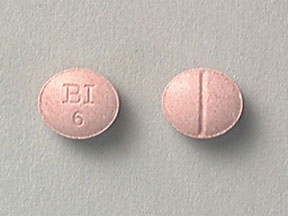
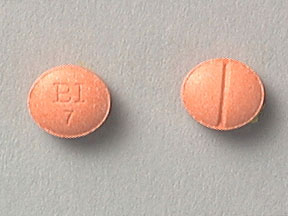
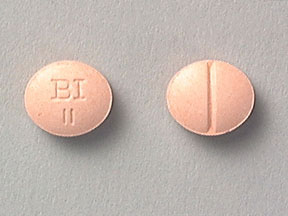
Clonidine (trade names Catapres, Kapvay, Nexiclon and others) is a sympatholytic medication used to treat high blood pressure, attention-deficit/hyperactivity disorder, anxiety disorders, withdrawal (from either alcohol, opioids or smoking), migraine, menopausal flushing, diarrhoea and certain pain conditions.It is classified as a centrally acting α2 adrenergic agonist and imidazoline receptor agonist that has been in clinical use for over 40 years
Medical uses
The US Food and Drug Administration (FDA) has approved clonidine, like guanfacine, for the treatment of attention-deficit/hyperactivity disorder (ADHD), alone or with stimulants in 2010, for pediatric patients aged 6-17 years. In Australia, clonidine is an accepted but not approved use for ADHD by the TGA. Clonidine along with methylphenidate has been studied for treatment of ADHD.Some studies show clonidine to be slightly less effective than guanfacine for ADHD. Clonidine can be used in the treatment of Tourette syndrome (specifically for tics)
Clonidine suppression test
Clonidine's effect on reducing circulating epinephrine by a central mechanism was used in the past as an investigatory test for phaeochromocytoma, which is a catecholamine-synthesizing tumour, usually of the adrenal medulla.In a clonidine suppression test plasma catecholamines levels are measured before and 3 hours after a 0.3 mg oral test dose has been given to somebody. A positive test occurs if there is no decrease in plasma levels.
Pregnancy
Clonidine is classed by the FDA as pregnancy category C. It is classified by the TGA of Australia as pregnancy category B3, which means that it has shown some detrimental effects on foetal development in animal studies, although the relevance of this to human beings is unknown. Additionally, clonidine can pass into breast milk and may harm a nursing baby. Therefore, caution is warranted in women who are pregnant, planning to become pregnant, or are breastfeeding.
Patients should be instructed not to discontinue therapy without consulting their physician. Sudden cessation of clonidine treatment has, in some cases, resulted in symptoms such as nervousness, agitation, headache, and tremor accompanied or followed by a rapid rise in blood pressure and elevated catecholamine concentrations in the plasma. The likelihood of such reactions to discontinuation of clonidine therapy appears to be greater after administration of higher doses or continuation of concomitant beta-blocker treatment and special caution is therefore advised in these situations. Rare instances of hypertensive encephalopathy, cerebrovascular accidents and death have been reported after clonidine withdrawal. When discontinuing therapy with Catapres (clonidine hydrochloride, USP) tablets, the physician should reduce the dose gradually over 2 to 4 days to avoid withdrawal symptomatology.
An excessive rise in blood pressure following discontinuation of Catapres (clonidine) tablets therapy can be reversed by administration of oral clonidine hydrochloride or by intravenous phentolamine. If therapy is to be discontinued in patients receiving a beta-blocker and clonidine concurrently, the beta-blocker should be withdrawn several days before the gradual discontinuation of Catapres (clonidine) tablets.
This medication is used alone or with other medications to treat high blood pressure (hypertension). Lowering high blood pressure helps prevent strokes, heart attacks, and kidney problems. Clonidine belongs to a class of drugs (central alpha agonists) that act in the brain to lower blood pressure. It works by relaxing blood vessels so blood can flow more easily.
OTHER USES: This section contains uses of this drug that are not listed in the approved professional labeling for the drug but that may be prescribed by your health care professional. Use this drug for a condition that is listed in this section only if it has been so prescribed by your health care professional.
This drug may also be used for attention deficit hyperactivity disorder (ADHD), for hot flashes that occur with menopause, for withdrawal symptoms from narcotic drugs, and to help people quit smoking.
How to use Catapres
Take this medication by mouth with or without food as directed by your doctor, usually twice daily (in the morning and at bedtime). If the doses are not equal, take the larger dose at bedtime to decrease the risk of side effects.
The dosage is based on your medical condition and response to treatment.
Use this medication regularly to get the most benefit from it. To help you remember, take it at the same times each day. It is important to continue taking this medication even if you feel well. Most people with high blood pressure do not feel sick.
Do not stop taking this medication without consulting your doctor. You may experience symptoms such as nervousness, agitation, shaking, and headache. A rapid rise in blood pressure may also occur if the drug is suddenly stopped. The risk is greater if you have used this drug for a long time or in high doses, or if you are also taking a beta blocker (such as atenolol). There have also been rare reports of severe, possibly fatal reactions (such as stroke) from stopping this drug too quickly. Therefore, it is important that you do not run out of clonidine or miss any doses. Tell your doctor or pharmacist immediately if you are unable to take the medication (for example, due to vomiting). To prevent any reactions while you are stopping treatment with this drug, your doctor may reduce your dose gradually. Consult your doctor or pharmacist for more details. Report any new or worsening symptoms immediately.
When used for a long time, this medication may not work as well and may require different dosing or an additional medication. Talk with your doctor if this medication stops working well (such as your blood pressure readings remain high or increase).
Dizziness, lightheadedness, drowsiness, dry mouth, or constipation may occur. If any of these effects persist or worsen, tell your doctor or pharmacist promptly.
To reduce the risk of dizziness and lightheadedness, get up slowly when rising from a sitting or lying position.
To relieve dry mouth, suck on (sugarless) hard candy or ice chips, chew (sugarless) gum, drink water, or use a saliva substitute.
Remember that your doctor has prescribed this medication because he or she has judged that the benefit to you is greater than the risk of side effects. Many people using this medication do not have serious side effects.
Tell your doctor right away if you have any serious side effects, including: fainting, slow/irregular heartbeat, mental/mood changes (such as irritability, depression).
A very serious allergic reaction to this drug is rare. However, get medical help right away if you notice any symptoms of a serious allergic reaction, including: rash, itching/swelling (especially of the face/tongue/throat), severe dizziness, trouble breathing.
This is not a complete list of possible side effects. If you notice other effects not listed above, contact your doctor or pharmacist.
Before taking clonidine, tell your doctor or pharmacist if you are allergic to it (including having a rash while using clonidine patches); or if you have any other allergies. This product may contain inactive ingredients, which can cause allergic reactions or other problems. Talk to your pharmacist for more details.
Before using this medication, tell your doctor or pharmacist your medical history, especially of: kidney disease, heart rhythm problems (such as slow/irregular heartbeat, second- or third-degree atrioventricular block).
This drug may make you dizzy or drowsy. Do not drive, use machinery, or do any activity that requires alertness until you are sure you can perform such activities safely. Avoid alcoholic beverages.
Before having surgery, tell your doctor or dentist about all the products you use (including prescription drugs, nonprescription drugs, and herbal products).
Contact lens wearers may need to use wetting eye drops since this medication can cause dry eyes.
Older adults may be more sensitive to the side effects of this product, especially dizziness, or drowsiness. These side effects may increase the risk of falling.
During pregnancy, this medication should be used only when clearly needed. Discuss the risks and benefits with your doctor.
This drug passes into breast milk. Consult your doctor before breast-feeding.
Drug interactions may change how your medications work or increase your risk for serious side effects. This document does not contain all possible drug interactions. Keep a list of all the products you use (including prescription/nonprescription drugs and herbal products) and share it with your doctor and pharmacist. Do not start, stop, or change the dosage of any medicines without your doctor's approval.
Tell your doctor or pharmacist if you are taking other products that cause drowsiness including alcohol, antihistamines (such as cetirizine, diphenhydramine), drugs for sleep or anxiety (such as alprazolam, diazepam, zolpidem), muscle relaxants, and narcotic pain relievers (such as codeine).
Check the labels on all your medicines (such as cough-and-cold products, diet aids, or NSAIDs such as ibuprofen, naproxen) because they may contain ingredients that could cause drowsiness or increase your blood pressure. Ask your pharmacist for more details.
If overdose is suspected, contact a poison control center or emergency room immediately.Symptoms of overdose may include: severe dizziness/drowsiness, fainting, slow/irregular heartbeat, slow/shallow breathing, seizures.
Notes
Do not share this medication with others.
Lifestyle changes such as stress reduction programs, exercise, and dietary changes may increase the effectiveness of this medicine. Talk to your doctor or pharmacist about lifestyle changes that might benefit you.
Check your blood pressure and pulse (heart rate) regularly while taking this medication. Learn how to monitor your own blood pressure and pulse at home, and share the results with your doctor.
Missed Dose
If you miss a dose, take it as soon as you remember. If it is near the time of the next dose, skip the missed dose and resume your usual dosing schedule. Do not double the dose to catch up. If you miss 2 or more doses in a row, contact your doctor right away.
Storage
Store at room temperature away from light and moisture. Do not store in the bathroom. Keep all medications away from children and pets.
Do not flush medications down the toilet or pour them into a drain unless instructed to do so. Properly discard this product when it is expired or no longer needed. Consult your pharmacist or local waste disposal company.
Information last revised November 2013. Copyright(c) 2013 First Databank, Inc.


