




 Home

- Allergies
- Acid Reflux
- ADHD
- Anxiety Disorders
- Arthritis
- Asthma
- Back Pain
- Bipolar Disorder
- Cancer
- Cholesterol
- Cold, Flu, & Cough
- COPD
- Depression
- Diabetes
- Eye Health
- Fibromyalgia
- Heart Disease
- Heartburn/GERD
- Hypertension
- Incontinence/OAB
- Migraines
- Osteoporosis
- Rheumatoid Arthritis
- Sexual Conditions
- Sleep Disorders
- Celebrity Secrets
- Skin Problems
- Multiple Sclerosis
- X-Rays
- Yellow Fever
- Yoga
- Women's Health
- Vitamins
- Weight Loss
- Wisdom Teeth
- Ultrasounds
- Transplant
- Skin Cancer
- Pain Management
- Palliative Care
- Pneumonia
- Obesity
- Mental Health
- Liver Cancer
- Lung Disease
- Labor and Delivery
- Knee Replacement Surgery
- Kidney Stones
- Jaundice
- Integrative Medicine
- Infections
- Interventional Pulmonology
- Headaches
- High blood preasure
- HIV/AIDS
- Fever
- Gestational Diabetes
- Gas
- Food Poisoning
- Oral Care
- Dengue Fever
- Ear Infections
- Diarrhea
- Dry Skin
- Cholera
- Children's Health
- Chickenpox
- Brain Diseases
- Lower Back pain
- Bone Tumors
- Anemia
- Avoidant Personality Disorder
- Aging
- Alcohol Interaction With Medication
- Burns
- Cataracts
- Chlamydia
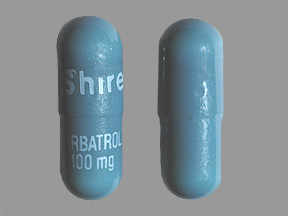
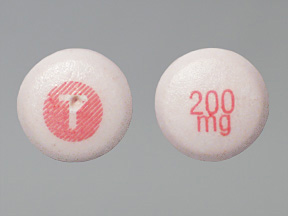
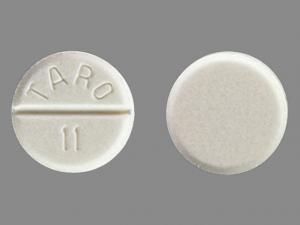
Carbamazepine (CBZ) (Tegretol, Equetro) is an anticonvulsant and mood-stabilizing drug used primarily in the treatment of epilepsy and bipolar disorder, as well as trigeminal neuralgia. Off-label uses include attention-deficit hyperactivity disorder (ADHD), schizophrenia, phantom limb syndrome, complex regional pain syndrome, borderline personality disorder, and post-traumatic stress disorder.
Studies on the use of carbamazepine in pregnant women have demonstrated exposure of the fetus to the drug and its metabolites. Intrauterine exposure to carbamazepine has been shown to be teratogenic and is associated with the development of spina bifida,neurodevelopmental problems,craniofacial defects, cardiovascular malformations, hypospadias, and developmental delays.
It is on the World Health Organization's List of Essential Medicines, a list of the most important medication needed in a basic health system.[
Adverse effects
Common adverse effects may include drowsiness, dizziness, headaches and migraines, motor coordination impairment, nausea, vomiting and/or constipation. Alcohol use while taking carbamazepine may lead to enhanced depression of the central nervous system.
Less common side-effects may include cardiac arrhythmias, blurry or double vision and/or the temporary loss of blood cells or platelets and in rare cases can cause aplastic anemia or agranulocytosis. With normal use, small reductions in white cell count and serum sodium levels are common; however, in rare cases, the loss of platelets may become life-threatening. In this case a doctor may recommend frequent blood tests during the first few months of use, followed by three to four tests per year for established patients. Additionally, carbamazepine may possibly exacerbate preexisting cases of hypothyroidism, so yearly thyroid function tests are advisable for persons taking the drug.
There are also rare reports of an auditory side-effect for carbamazepine use, whereby patients perceive sounds about a semitone lower than previously
Environmental impact
Carbamazepine can enter the environment through discharge of wastewater, and has also been shown to persist and accumulate in the organic components of soil and sludge.As carbamazepine is an emerging contaminant,the effects of its bioaccumulation on other living creatures and plants are not well-understood.
Pharmacokinetics
Carbamazepine is relatively slowly but well absorbed after oral administration. Its plasma half life is about 30 hours when it is given as single dose, but it is a strong inducer of hepatic enzymes and the plasma half-life shortens to about 15 hours when it is given repeatedly. Some of its metabolites have antiepileptic properties. A slow-release preparation is used for patients who experience transient side effects coinciding with plasma concentration peaks following oral dosing.
Mechanism of action
The mechanism of action of carbamazepine and its derivatives is relatively well-understood. Carbamazepine stabilizes the inactivated state of Voltage-gated sodium channels, making fewer of these channels available to subsequently open. This leaves the affected cells less excitable until the drug dissociates.[citation needed] Carbamazepine has also been shown to potentiate GABA receptors made up of alpha1, beta2, gamma2 subunits.This mechanism may contribute to its efficacy in neuropathic pain and manic-depressive illness.
History
Carbamazepine was discovered by chemist Walter Schindler at J.R. Geigy AG (now part of Novartis) in Basel, Switzerland, in 1953.Schindler then synthesized the drug in 1960, before its anti-epileptic properties had been discovered.
Carbamazepine may cause life-threatening allergic reactions called Stevens-Johnson syndrome (SJS) or toxic epidermal necrolysis (TEN). These allergic reactions may cause severe damage to the skin and internal organs. The risk of SJS or TEN is highest in people of Asian ancestry who have a genetic (inherited) risk factor. If you are Asian, your doctor will usually order a test to see if you have the genetic risk factor before prescribing carbamazepine. If you do have this risk factor, your doctor will probably prescribe another medication that is less likely to cause SJS or TEN. If you do not have this genetic risk factor, your doctor may prescribe carbamazepine, but there is still a slight risk that you will develop SJS or TEN. Call your doctor immediately if you develop a rash, blisters, or a fever during your treatment with carbamazepine.
Stevens-Johnson syndrome or toxic epidermal necrolysis usually occurs during the first few months of treatment with carbamazepine. If you have taken carbamazepine for several months or longer, you probably will not need to be tested, even if you are Asian.
Carbamazepine may decrease the number of blood cells produced by your body. In rare cases, the number of blood cells may decrease enough to cause serious or life-threatening health problems. Tell your doctor if you have ever had a decreased number of blood cells, especially if it was caused by another medication. If you experience any of the following symptoms, call your doctor immediately: sore throat, fever, chills, or other signs of infection; unusual bleeding or bruising; tiny purple dots or spots on the skin; mouth sores; or rash.
Keep all appointments with your doctor and the laboratory. Your doctor will order certain lab tests before and during your treatment to check your body's response to carbamazepine.
Carbamazepine is typically used for the treatment of seizure disorders and neuropathic pain. It may be used off-label as a second line treatment for bipolar disorder and as an adjunct, never alone, with an antipsychotic in some cases of schizophrenia when treatment with a conventional antipsychotic alone has failed.
In the United States, the FDA-approved indications are epilepsy (including partial seizures, generalized tonic-clonic seizures and mixed seizures), trigeminal neuralgia, and manic and mixed episodes of bipolar I disorder.Although data are still lacking, carbamazepine appears to be as effective and safe as lithium for the treatment of bipolar disorder, both in the acute and maintenance phase.
If adverse reactions are of such severity that the drug must be discontinued, the physician must be aware that abrupt discontinuation of any anticonvulsant drug in a responsive epileptic patient may lead to seizures or even status epilepticus with its life-threatening hazards.
The most severe adverse reactions have been observed in the hemopoietic system and skin (see BOXED WARNING), the liver, and the cardiovascular system.
The most frequently observed adverse reactions, particularly during the initial phases of therapy, are dizziness, drowsiness, unsteadiness, nausea, and vomiting. To minimize the possibility of such reactions, therapy should be initiated at the low dosage recommended.
The following additional adverse reactions have been reported:
Before taking carbamazepine,
tell your doctor and pharmacist if you are allergic to carbamazepine, amitriptyline (Elavil), amoxapine (Asendin), clomipramine (Anafranil), desipramine (Norpramin), doxepin (Adapin, Sinequan), imipramine (Tofranil), nortriptyline (Aventyl, Pamelor), other medications for seizures such as phenobarbital (Luminal, Solfoton) or phenytoin (Dilantin), protriptyline (Vivactil), trimipramine (Surmontil), or any other medications.
you should know that carbamazepine is the active ingredient in several products that have different names and may be prescribed to treat different conditions. Check the list of brand names at the beginning of this document carefully. All of the products listed contain carbamazepine and you should not take more than one of them at the same time.
do not take carbamazepine if you are taking monoamine oxidase (MAO) inhibitors, including isocarboxazid (Marplan), phenelzine (Nardil), selegiline (Eldepryl), and tranylcypromine (Parnate), or have stopped taking them within the past 2 weeks.
tell your doctor and pharmacist what other prescription and nonprescription medications, vitamins, and nutritional supplements you are taking or plan to take. Be sure to mention any of the following: acetaminophen (Tylenol); acetazolamide (Diamox); alprazolam (Xanax); anticoagulants ('blood thinners') such as warfarin (Coumadin); antidepressants such as amitriptyline (Elavil), bupropion (Wellbutrin, Zyban), buspirone (BuSpar), citalopram (Celexa), clomipramine (Anafranil), desipramine (Norpramin), fluoxetine (Prozac, Sarafem), fluvoxamine (Luvox), mirtazapine (Remeron), nortriptyline (Pamelor); antifungals such as itraconazole (Sporanox) and ketoconazole (Nizoral); cimetidine (Tagamet); cisplatin (Platinol); clarithromycin (Biaxin); clonazepam (Klonopin); clozapine (Clozaril); cyclosporine (Neoral, Sandimmune); dalfopristin and quinupristin (Synercid); danazol (Danocrine); delavirdine (Rescriptor); diltiazem (Cardizem, Dilacor, Tiazac); doxorubicin (Adriamycin, Rubex); doxycycline (Vibramycin); erythromycin (E.E.S., E-Mycin, Erythrocin); felodipine (Plendil); haloperidol (Haldol); HIV protease inhibitors including atazanavir (Reyataz), indinavir (Crixivan), lopinavir (in Kaletra), nelfinavir (Viracept), ritonavir (Norvir, in Kaletra), and saquinavir (Fortovase, Invirase); isoniazid (INH, Nydrazid); levothyroxine (Levoxyl, Synthroid); lithium (Lithobid); loratadine (Claritin); lorazepam (Ativan); certain medications to treat malaria such as chloroquine (Aralen) and mefloquine (Lariam); medications for anxiety or mental illness; other medications for seizures such as ethosuximide (Zarontin), felbamate (Felbatol), lamotrigine (Lamictal), methsuximide (Celontin), oxcarbazepine (Trileptal), phenobarbital (Luminal, Solfoton), phensuximide (Milontin) (not available in the US), phenytoin (Dilantin), primidone (Mysoline), tiagabine (Gabitril),topiramate (Topamax), and valproic acid (Depakene, Depakote); methadone (Dolophine); nefazodone; niacinamide (nicotinamide, Vitamin B3); propoxyphene (Darvon); praziquantel (Biltricide); quinine; rifampin (Rifadin, Rimactane); sedatives; sleeping pills; terfenadine (Seldane) (not available in the US); theophylline (Theobid, Theo-Dur); tramadol (Ultram); tranquilizers; troleandomycin (TAO); verapamil (Calan, Covera, Isoptin, Verelan); and zileuton (Zyflo). Many other medications may also interact with carbamazepine, so be sure to tell your doctor about all the medications you are taking, even those that do not appear on this list. Your doctor may need to change the doses of your medications or monitor you carefully for side effects.
if you are taking any other liquid medications, do not take them at the same time as carbamazepine liquid.
tell your doctor what herbal products you are taking, especially St. John's wort.
tell your doctor if you have or have ever had glaucoma; psychosis; or heart, kidney, thyroid, or liver disease.
you should know that carbamazepine may decrease the effectiveness of hormonal contraceptives (birth control pills, patches, rings, injections, implants, or intrauterine devices). Use another form of birth control while taking carbamazepine. Tell your doctor if you have unexpected vaginal bleeding or think you may be pregnant while you are taking carbamazepine.
tell your doctor if you are pregnant or plan to become pregnant. Carbamazepine may harm the fetus. If you become pregnant while taking
Interactions
Carbamazepine has a potential for drug interactions; caution should be used in combining other medicines with it, including other antiepileptics and mood stabilizers.Lower levels of carbamazepine are seen when administrated with phenobarbital, phenytoin (Dilantin), or primidone (Mysoline), which can result in breakthrough seizure activity. Carbamazepine, as a CYP450 inducer, may increase clearance of many drugs, decreasing their concentration in the blood to subtherapeutic levels and reducing their desired effects.Drugs that are more rapidly metabolized with carbamazepine include warfarin (Coumadin), lamotrigine (Lamictal), phenytoin (Dilantin), theophylline, and valproic acid (Depakote, Depakote ER, Depakene, Depacon).Drugs that decrease the metabolism of carbamazepine or otherwise increase its levels include erythromycin, cimetidine (Tagamet), propoxyphene (Darvon), and calcium channel blockers. Carbamazepine also increases the metabolism of the hormones in birth control pills and can reduce their effectiveness, potentially leading to unexpected pregnancies. As a drug that induces cytochrome P450 enzymes, it accelerates elimination of many benzodiazepines and decreases their action.
Valproic acid and valnoctamide both inhibit microsomal epoxide hydrolase (mEH), the enzyme responsible for the breakdown of carbamazepine-10,11 epoxide into inactive metabolites. By inhibiting mEH, valproic acid and valnoctamide cause a buildup of the active metabolite, prolonging the effects of carbamazepine and delaying its excretion.
Grapefruit juice raises the bioavailability of carbamazepine by inhibiting CYP3A4 enzymes in the gut wall and in the liver.
In case of overdose If the victim has collapsed or is not breathing,
Symptoms of overdose may include:
unconsciousness
seizures
restlessness
muscle twitching
abnormal movements
shaking of a part of your body that you cannot control
unsteadiness
drowsiness
dizziness
blurred vision
irregular or slowed breathing
rapid or pounding heartbeat
nausea
vomiting
difficulty urinating


