Home






Candidates
|
Political Parties
|
US State Candidate
|
Congressional Candidates
|
Campaign Buttons
|
The Presidency
|
Election Calendar
|
Awards
Share the joy


Latest News
Politics
11 May 2018
EPA chief Pruitt's ethics issues have raised concerns: White House
Politics
11 May 2018
Key senator urges any wavering U.S. high court justice to retire now
Politics
11 May 2018
White House official mocked 'dying' Senator McCain: media
Politics
11 May 2018
Lawsuit against U.S. border searches of phones can move forward: judge
Politics
11 May 2018
Ex-Illinois congressman sentenced to prison on tax charges
Politics
11 May 2018
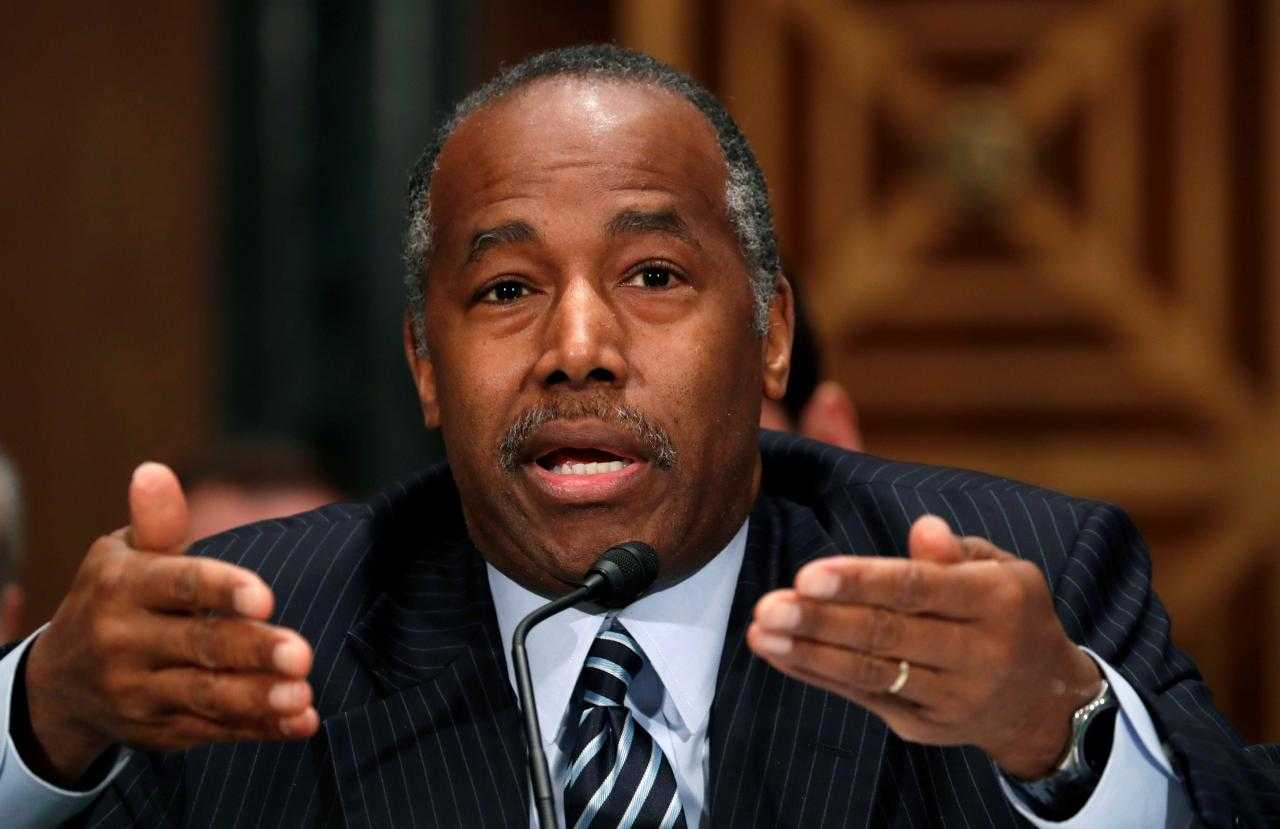
Trump administration to reconsider housing bias protections
Politics
10 May 2018
Companies detail payments to Trump lawyer; Daniels' attorney says there's more
Politics
10 May 2018
Concerns over U.S. court backlog grow with rising border prosecutions
Politics
10 May 2018
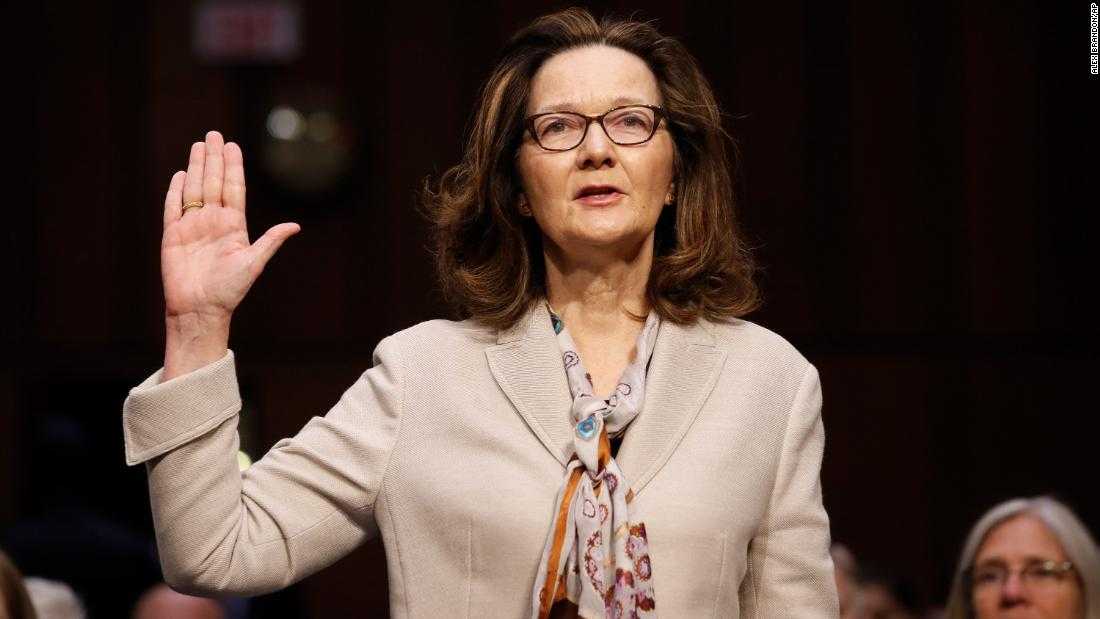
Trump's CIA pick promises no more harsh interrogation program
Politics
10 May 2018
Cheney, Panetta worry about consequences of Iran deal withdrawal
Politics
10 May 2018
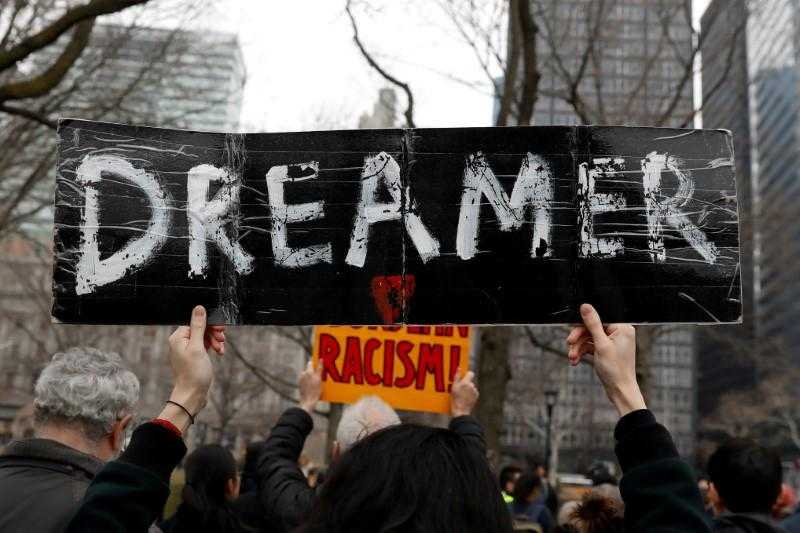
Rebel House Republicans seek to force 'Dreamer' immigration vote
Politics
10 May 2018
3 Americans Freed From North Korea Arrive Near Washington
Politics
14 Mar 2017
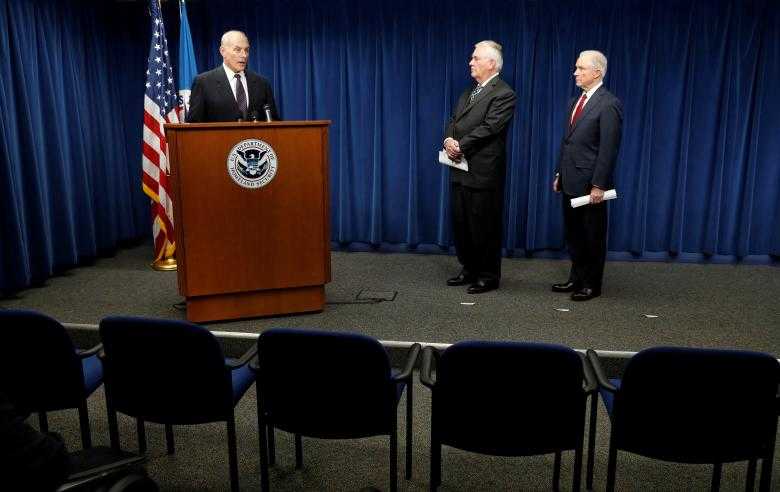

Several states jointly sue to block Trump revised travel ban


A group of states renewed their effort on Monday to block President Donald Trump's revised temporary ban on refugees and travelers from several Muslim-majority countries
Several states jointly sue to block Trump revised travel ban
A group of states renewed their effort on Monday to block President Donald Trump's revised temporary ban on refugees and travelers from several Muslim-majority countries, arguing that his executive order is the same as the first one that was halted by federal courts.
Court papers filed by the state of Washington and joined by California, Maryland, Massachusetts, New York and Oregon asked a judge to stop the March 6 order from taking effect on Thursday.
An amended complaint said the order was similar to the original Jan. 27 directive because it "will cause severe and immediate harms to the States, including our residents, our colleges and universities, our healthcare providers, and our businesses."
A Department of Justice spokeswoman said it was reviewing the complaint and would respond to the court.
A more sweeping ban implemented hastily in January caused chaos and protests at airports. The March order by contrast gave 10 days' notice to travelers and immigration officials.
Last month, U.S. District Judge James Robart in Seattle halted the first travel ban after Washington state sued, claiming the order was discriminatory and violated the U.S. Constitution. Robart’s order was upheld by the 9th U.S. Circuit Court of Appeals.
Trump revised his order to overcome some of the legal hurdles by including exemptions for legal permanent residents and existing visa holders and taking Iraq off the list of countries covered. The new order still halts citizens of Iran, Libya, Syria, Somalia, Sudan and Yemen from entering the United States for 90 days but has explicit waivers for various categories of immigrants with ties to the country.
Refugees are still barred for 120 days, but the new order removed an indefinite ban on all refugees from Syria.
Washington state has now gone back to Robart to ask him to apply his emergency halt to the new ban.
Robart said in a court order Monday that the government has until Tuesday to respond to the states' motions. He said he would not hold a hearing before Wednesday and did not commit to a specific date to hear arguments from both sides.
PROVING HARM
Separately, Hawaii has also sued over the new ban. The island state, which is heavily dependent on tourism, said the executive order has had a "chilling effect" on travel revenues.
In response to Hawaii's lawsuit, the Department of Justice in court papers filed on Monday said the president has broad authority to "restrict or suspend entry of any class of aliens when in the national interest." The department said the temporary suspensions will allow a review of the current screening process in an effort to protect against terrorist attacks.
There is a hearing in the Hawaii case set for Wednesday, the day before the new ban is set to go into effect.
The first hurdle for the lawsuits will be proving "standing," which means finding someone who has been harmed by the policy. With so many exemptions, legal experts have said it might be hard to find individuals who would have a right to sue, in the eyes of a court.
To overcome this challenge, the states filed more than 70 declarations of people affected by the order including tech businesses Amazon and Expedia, which said that restricting travel hurts their revenues and their ability to recruit employees.
Universities and medical centers that rely on foreign doctors also weighed in, as did religious organizations and individual residents, including U.S. citizens, with stories about separated families.
But the Trump administration in its filings in the Hawaii case on Monday said the carve-outs in the new order undercut the state's standing claims.
"The Order applies only to individuals outside the country who do not have a current visa, and even as to them, it sets forth robust waiver provisions," the Department of Justice's motion said.
The government cited Supreme Court precedent in arguing that people outside the United States and seeking admission for the first time have "no constitutional rights" regarding their applications.
If the courts do end up ruling the states have standing to sue, the next step will be to argue that both versions of the executive order discriminate against Muslims.
"The Trump Administration may have changed the text of the now-discredited Muslim travel ban, but they didn't change its unconstitutional intent and effect," California Attorney General Xavier Becerra said in a statement on Monday.
While the text of the order does not mention Islam, the states claim that the motivation behind the policy is Trump's campaign promise of "a total and complete shutdown of Muslims entering the United States." He later toned down that language and said he would implement a policy of "extreme vetting" of foreigners coming to the United States.
The government said the courts should only look at the text of the order and not at outside comments by Trump or his aides.
Source :
Http://www.reuters.com/article/us-usa-immigration-iduskbn16k264
You May also Like