Home






Candidates
|
Political Parties
|
US State Candidate
|
Congressional Candidates
|
Campaign Buttons
|
The Presidency
|
Election Calendar
|
Awards
Share the joy


Latest News
Politics
11 May 2018
EPA chief Pruitt's ethics issues have raised concerns: White House
Politics
11 May 2018
Key senator urges any wavering U.S. high court justice to retire now
Politics
11 May 2018
White House official mocked 'dying' Senator McCain: media
Politics
11 May 2018
Lawsuit against U.S. border searches of phones can move forward: judge
Politics
11 May 2018
Ex-Illinois congressman sentenced to prison on tax charges
Politics
11 May 2018
Trump administration to reconsider housing bias protections
Politics
10 May 2018
Companies detail payments to Trump lawyer; Daniels' attorney says there's more
Politics
10 May 2018
Concerns over U.S. court backlog grow with rising border prosecutions
Politics
10 May 2018
Trump's CIA pick promises no more harsh interrogation program
Politics
10 May 2018
Cheney, Panetta worry about consequences of Iran deal withdrawal
Politics
10 May 2018
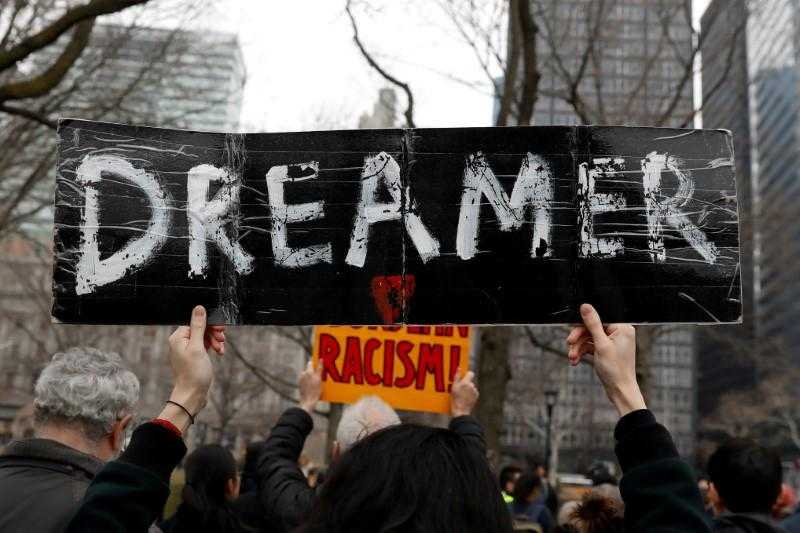
Rebel House Republicans seek to force 'Dreamer' immigration vote
Politics
10 May 2018
3 Americans Freed From North Korea Arrive Near Washington
Politics
26 Jun 2017
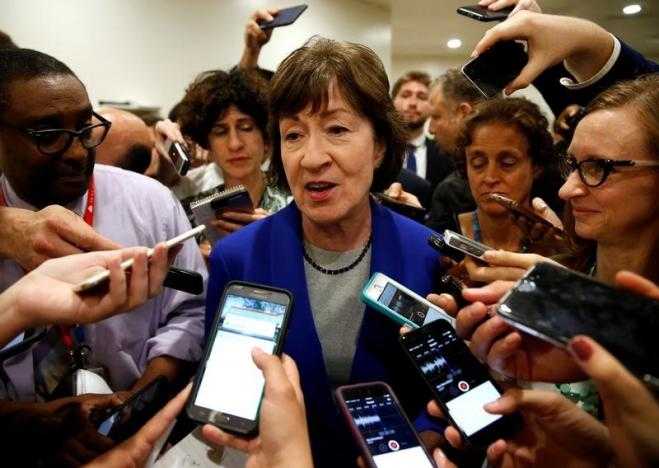

Key Republican Collins has serious concerns on healthcare bill


Republican Senator Susan Collins of Maine said on Sunday she has extreme reservations about the U.S. Senate's healthcare overhaul and does not think it will be able to pass this week
Key Republican Collins has serious concerns on healthcare bill
Republican Senator Susan Collins of Maine said on Sunday she has extreme reservations about the U.S. Senate's healthcare overhaul and does not think it will be able to pass this week.
Collins, a moderate Republican who has not taken a formal stance on the bill, said she was concerned it would cut Medicaid too deeply and said she wants to see an upcoming analysis by the Congressional Budget Office before making a decision.
"I have very serious concerns about the bill," she said on ABC's "This Week" program. "It's hard for me to see the bill passing this week."
Republican Senate leader Mitch McConnell of Kentucky has pushed for a vote before the July 4th Independence Day holiday recess that begins at the end of this week. He can afford to lose the support of only two Republicans in the face of unanimous Democratic opposition.
Five Republican senators have announced they will not support the bill, which is designed to repeal and replace Obamacare, in its current form.
One of those senators, Ron Johnson of Wisconsin, called on Sunday for a slowdown in the process to give the Senate and the public time to evaluate the healthcare bill.
"We don't have enough information. I don't have the feedback from constituencies who will not have had enough time to view the Senate bill. We should not be voting on this next week," he said on NBC's "Meet the Press."
Another senator who has announced that he does not support the current version of the bill, Rand Paul of Kentucky, said he would back it if the Senate reached an impasse on healthcare.
"If we get to impasse, if we go to a bill that is more repeal and less big government programs, yes I’ll consider partial repeal," Paul said on ABC.
The Senate's 142-page proposal, worked out in secret by a group led by McConnell, aims to deliver on a central campaign promise of President Donald Trump to undo former President Barack Obama's signature healthcare law, which has provided coverage to 20 million Americans since it was passed in 2010.
Republicans view the law, formally known as the Affordable Care Act, as a costly government intrusion and say individual insurance markets created by it are collapsing.
"I think they have, at best, a 50-50 chance of passing this bill," Senate Democratic leader Chuck Schumer of New York said on ABC. He said Democrats "are doing everything we can to fight this bill because it's so devastating for the middle class."
The House of Representatives has passed a measure similar to the Senate plan. The Senate would phase out Obamacare's expansion of the Medicaid program for the poor more gradually than the House bill, waiting until after the 2020 presidential election, but would enact deeper cuts starting in 2025.
Source :
Http://www.reuters.com/article/us-usa-healthcare-collins-iduskbn19g0kj
You May also Like