Home






Candidates
|
Political Parties
|
US State Candidate
|
Congressional Candidates
|
Campaign Buttons
|
The Presidency
|
Election Calendar
|
Awards
Share the joy


Latest News
Politics
11 May 2018
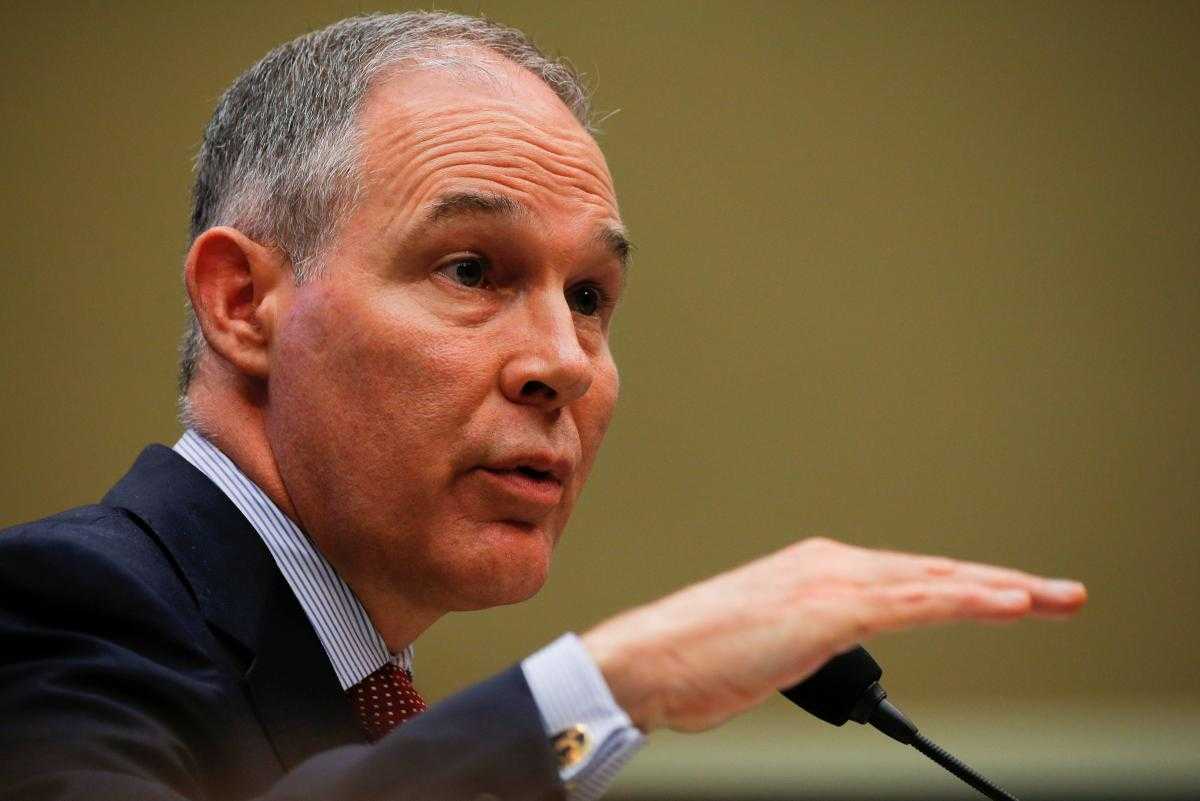
EPA chief Pruitt's ethics issues have raised concerns: White House
Politics
11 May 2018
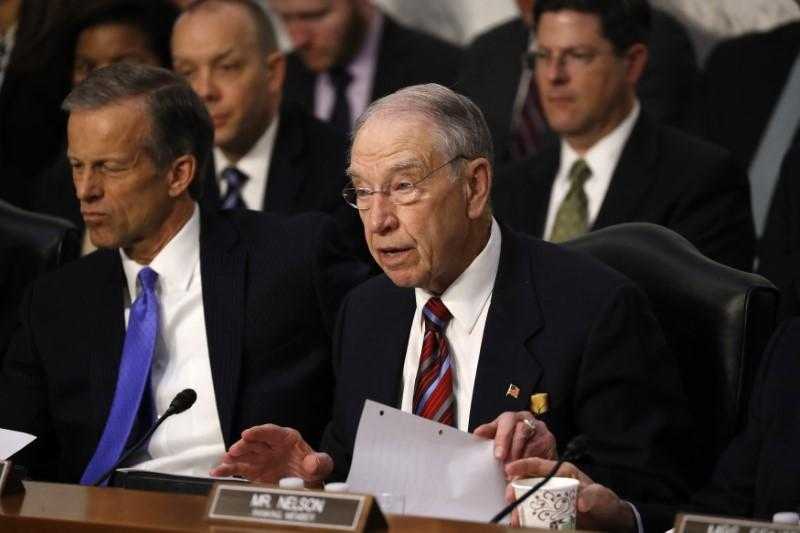
Key senator urges any wavering U.S. high court justice to retire now
Politics
11 May 2018
White House official mocked 'dying' Senator McCain: media
Politics
11 May 2018
Lawsuit against U.S. border searches of phones can move forward: judge
Politics
11 May 2018
Ex-Illinois congressman sentenced to prison on tax charges
Politics
11 May 2018
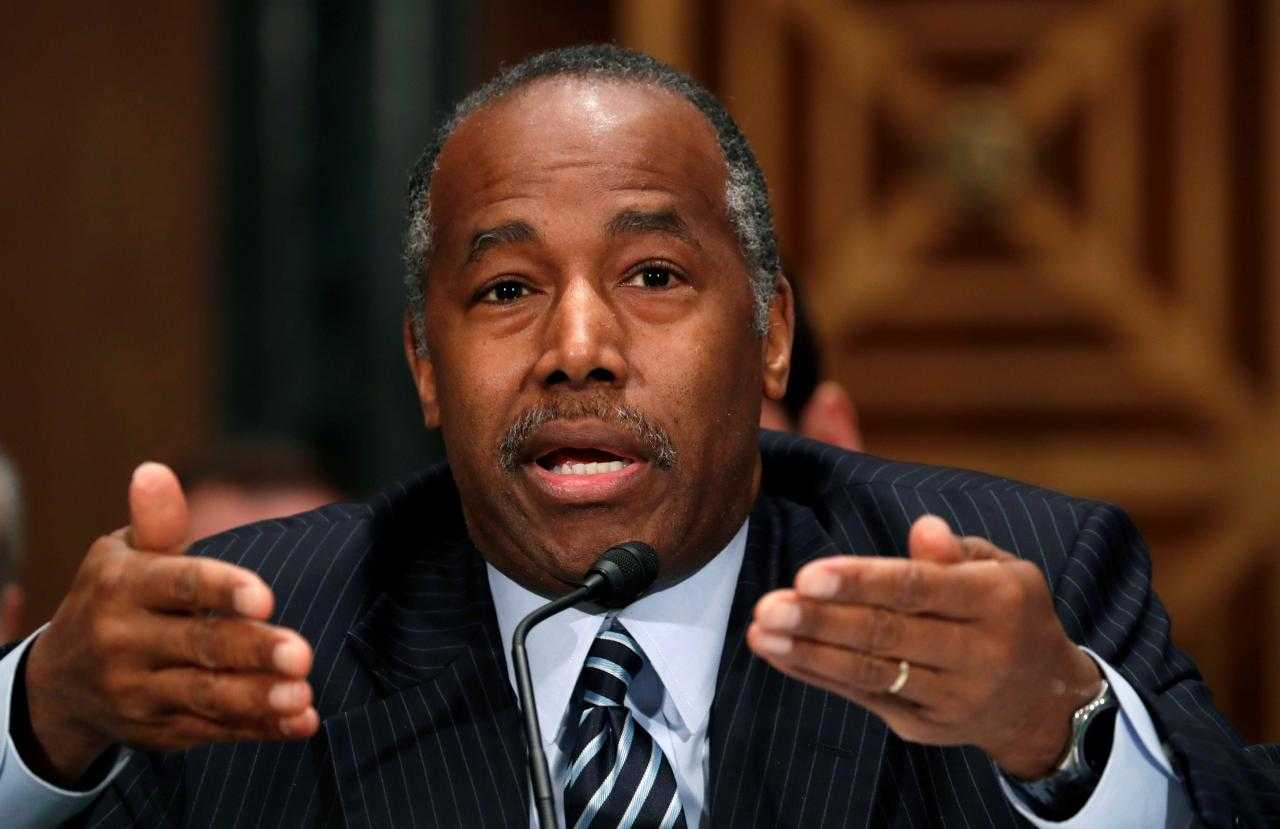
Trump administration to reconsider housing bias protections
Politics
10 May 2018
Companies detail payments to Trump lawyer; Daniels' attorney says there's more
Politics
10 May 2018
Concerns over U.S. court backlog grow with rising border prosecutions
Politics
10 May 2018
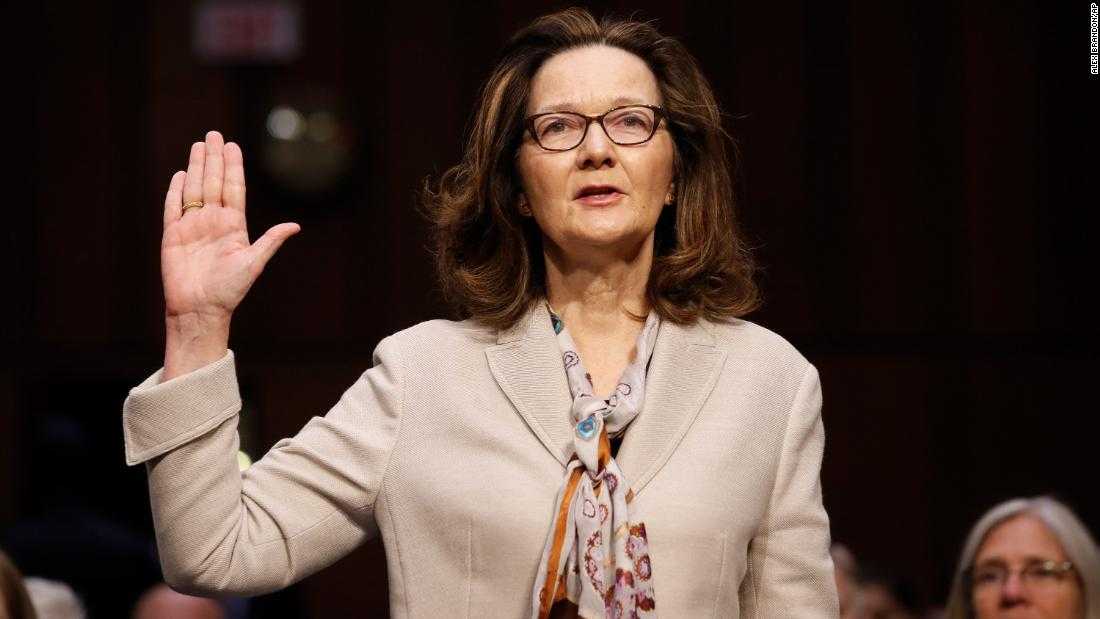
Trump's CIA pick promises no more harsh interrogation program
Politics
10 May 2018
Cheney, Panetta worry about consequences of Iran deal withdrawal
Politics
10 May 2018
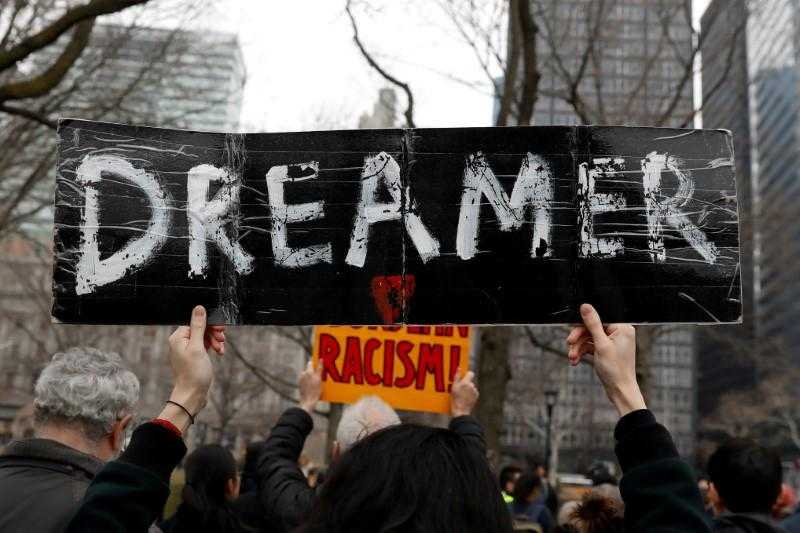
Rebel House Republicans seek to force 'Dreamer' immigration vote
Politics
10 May 2018
3 Americans Freed From North Korea Arrive Near Washington
Politics
28 Dec 2016
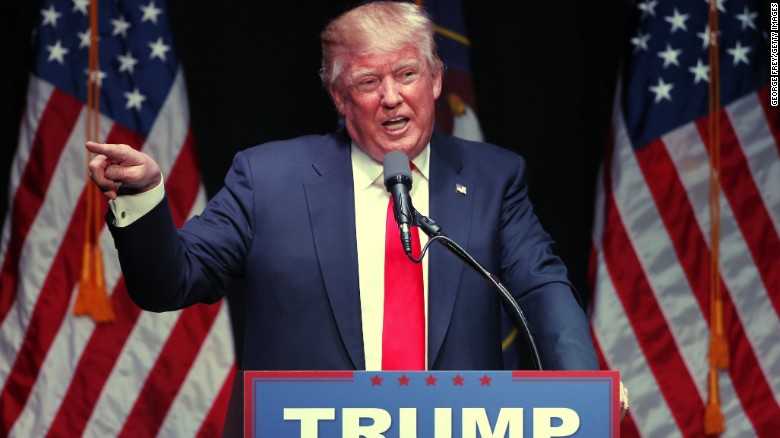

How Donald Trump can shape his foreign policy


How Donald Trump can shape his foreign policy
How Donald Trump can shape his foreign policy
President-elect Donald Trump’s approach to foreign affairs comes down to this: put America first, and deliver victories rather than defeats. What might this mean in practice?
From Woodrow Wilson to Barack Obama, presidents have imagined that, as Eliot A. Cohen recently wrote, the notion of “vital U.S.interests is almost infinitely elastic,” and hence that “anything — from a loss of American prestige to the protection of American citizens, from attempts to deter aggression to even minimal efforts to fulfill our treaty commitments — can be defined as vital either to us or to our allies.” Mr. Trump should reject that, and hew to the Constitution’s provisions which make sure that these distinctions and choices ultimately are the American people’s business.
U.S. policy has also suffered from a surplus of commitments over the power to fulfill them. Committing to China’s territorial integrity in 1921 while reducing the U.S Navy and renouncing the fortification of our Pacific bases helped bring on WW II. The 1994 commitment to Ukraine’s territorial integrity, coupled with encouragement to give its nuclear weapons to Russia, made possible Russia’s seizure of Crimea and the Donbass. Today, U.S. policy is helpless in the face of Chinese and Russian assertiveness, and as Islamist extremists inspire Americans to kill Americans in America.
To translate America’s powers into victories, Mr. Trump will have to maintain a surplus of power over commitments, embracing the pre-Progressive Era statesmanship of presidents from George Washington to Theodore Roosevelt and, since then, only of Ronald Reagan, whose foreign policy motto was “we win, they lose.”
Keeping the United States at peace — the definition of success in international affairs — depends on the country being willing and able to win at all levels of warfare, especially the highest: nuclear war. This means, as Herman Kahn wrote long ago, “coherent and plausible policies for the use of nuclear weapons.” As nuclear weapons and delivery systems proliferate, it is incumbent on U.S. nuclear policy to reverse our forlorn attempt to strip them from U.S. armed forces’ routine operations. Above all, this means protecting Americans against ballistic missiles from Russia and China.
Mr. Trump should also rethink U.S. deployments overseas. Except for units fighting the Afghan Taliban and the Islamic State (ISIS), U.S. forces are spread out to project political influence and to act as “trip wires.” rather than in strength to fight and win. Current plans call for deploying more ‘trip wires,” to deter Russia’s further expansion in Eastern Europe. But fruitless debate over what to do once these “wires” are “tripped” exposes such deployments as projections of weakness rather than strength.
Source :
Http://www.washingtontimes.com/news/2016/dec/27/how-donald-trump-can-shape-his-foreign-policy/
You May also Like